Rosemary Shampoo for Hair Growth: Does It Really Work?
If you’ve been scrolling through social media lately, you’ve probably seen everyone talking about rosemary for hair growth. But does rosemary shampoo actually deliver on those promises, or is it just another beauty trend that’ll fade away?
Here’s the good news: science backs up the hype. A 2015 study published in Skinmed found that rosemary oil performed just as well as minoxidil (that’s Rogaine) for treating hair loss, but with fewer side effects like scalp irritation. The active compounds in rosemary help improve blood circulation to your scalp, which means healthier hair follicles and stronger growth.
In this guide, we’ll break down everything you need to know about rosemary shampoo. You’ll learn how it works, which products are worth buying, and how to use it for the best results.
As an Amazon Associate I earn from qualifying purchases and sometimes recommend products from other sellers at no extra cost to you. For more details see my disclosure policy and privacy policy.
Forged & Grown — The Shop
Handpicked products chosen to fit the way we cook, grow, and create. Nothing generic — every item earns its place.
Visit the Shop


What Is Rosemary Shampoo?
Rosemary shampoo is a hair care product infused with rosemary oil or rosemary extract. Unlike regular shampoos that just clean your hair, rosemary shampoo works double duty by cleansing while delivering the herb’s beneficial compounds directly to your scalp.
The star ingredient here is rosemary (Rosmarinus officinalis), an aromatic herb that’s been used for centuries in traditional medicine. When you read more about rosemary’s history and properties, you’ll discover it’s packed with antioxidants and anti-inflammatory compounds that benefit both your hair and scalp health.
Does Rosemary Shampoo Work? The Science Behind It
Let’s get straight to what matters most: does this stuff actually work for hair growth? The research says yes, but you need realistic expectations.
The same 2015 study we mentioned earlier tracked participants over six months. Those using rosemary oil saw significant hair count increases comparable to the minoxidil group. The key difference? Less scalp itching with rosemary.
Here’s how rosemary benefits your hair:
Improves scalp circulation. Rosemary contains carnosic acid, which helps heal damaged blood vessels in your scalp. Better blood flow means your hair follicles get more nutrients and oxygen, leading to healthier growth. According to research from Cleveland Clinic, this increased blood circulation prevents hair follicles from losing their blood supply.
Reduces inflammation. The rosmarinic acid in rosemary has powerful anti-inflammatory properties. If you struggle with scalp irritation or conditions like dandruff, this can make a real difference.
Blocks DHT naturally. Some research published in PMC suggests rosemary may help block DHT (dihydrotestosterone), a hormone linked to hair loss. Studies show that rosemary extract can reduce 5-alpha reductase activity by up to 94.6%, which is the enzyme that converts testosterone to DHT.
Benefits of Rosemary Shampoo
Beyond just hair growth, rosemary shampoo offers several benefits that make it worth considering:
Stimulates hair growth. As we’ve covered, rosemary improves blood circulation to your scalp, which encourages your hair follicles to produce stronger, healthier strands.
Fights dandruff and flaking. Thanks to its antimicrobial and anti-inflammatory properties, rosemary helps reduce dandruff. If you’re constantly battling those annoying white flakes, this could be your solution.
Balances scalp oils. Rosemary helps regulate sebum production, which is especially helpful if your hair gets greasy by midday or feels constantly dry. A balanced scalp creates optimal conditions for healthy hair growth.
Adds natural shine. By improving overall scalp health and removing product buildup, rosemary shampoo can leave your hair looking shinier and feeling softer.
Soothes scalp irritation. If your scalp gets itchy or irritated easily, rosemary’s anti-inflammatory compounds can provide relief without harsh chemicals.
Best Rosemary Shampoos: Our Top 5 Picks
Not all rosemary shampoos are created equal. Here are our top recommendations based on ingredients, effectiveness, and customer reviews:
| Product | Best For | Key Ingredients | Price/Size | Sulfate-Free | Our Rating |
|---|---|---|---|---|---|
| Mielle Organics Rosemary Mint | Hair growth & thinning | Biotin, rosemary oil, mint | $10-13 / 12 oz | Yes | ⭐⭐⭐⭐⭐ |
| OGX Coconut Milk with Rosemary | Dry/damaged hair | Coconut milk, rosemary extract, egg protein | $7-9 / 13 oz | No | ⭐⭐⭐⭐ |
| Avalon Organics Tea Tree & Rosemary | Dandruff & oily scalp | Rosemary, tea tree, quinoa protein | $8-10 / 11 oz | Yes | ⭐⭐⭐⭐⭐ |
| Actiiv Hair Science Recover | Serious hair loss | Rosemary, saw palmetto, biotin, caffeine | $32-36 / 10 oz | Yes | ⭐⭐⭐⭐⭐ |
| Art Naturals Argan Oil with Rosemary | Color-treated hair | Argan oil, rosemary, aloe vera | $15-18 / 16 oz | Yes | ⭐⭐⭐⭐ |
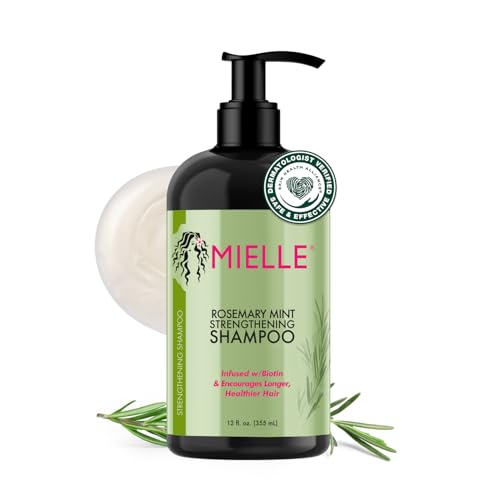
1. Mielle Organics Rosemary Mint Strengthening Shampoo
Best for: Hair growth and thinning hair
Key ingredients: Biotin, rosemary oil, mint
Price range: $10-13 for 12 oz
Why we love it: This has become a cult favorite for good reason. The biotin adds extra strengthening power, and the mint gives a refreshing, tingly sensation that means it’s working.
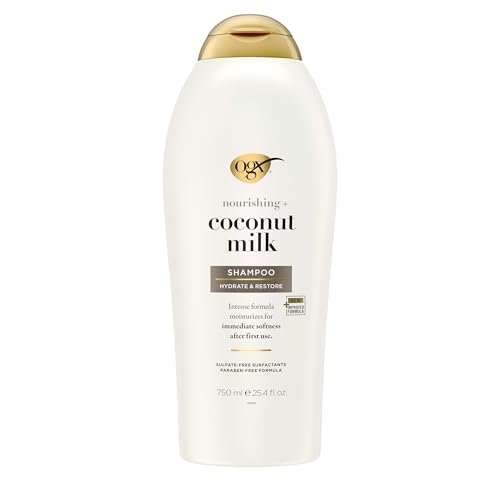
2. OGX Nourishing+ Coconut Milk Shampoo with Rosemary
Best for: Dry or damaged hair
Key ingredients: Coconut milk, rosemary extract, egg white protein
Price range: $7-9 for 13 oz
Why we love it: Great budget option that combines rosemary’s benefits with intense moisture. Perfect if your hair needs both growth support and hydration.
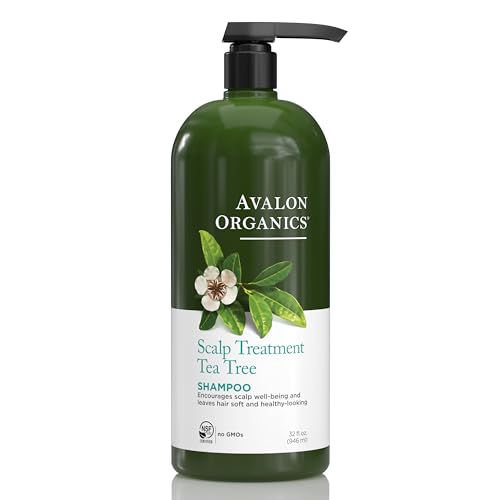
3. Avalon Organics Scalp Treatment Tea Tree & Rosemary Shampoo
Best for: Dandruff and oily scalp
Key ingredients: Rosemary, tea tree oil, quinoa protein
Price range: $8-10 for 11 oz
Why we love it: The tea tree and rosemary combination is powerful for scalp issues. This one tackles both dandruff and promotes growth at the same time.
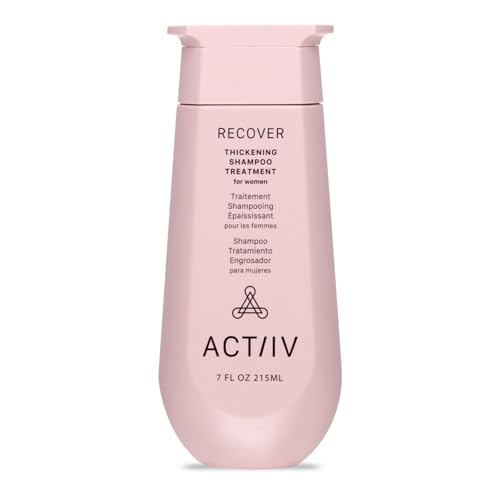
4. Actiiv Hair Science Recover Thickening Shampoo
Best for: Serious hair loss concerns
Key ingredients: Rosemary, saw palmetto, biotin, caffeine
Price range: $32-36 for 10 oz
Why we love it: Yes, it’s pricey, but if you’re dealing with significant thinning, this clinical-strength formula combines rosemary with other proven ingredients for maximum results.
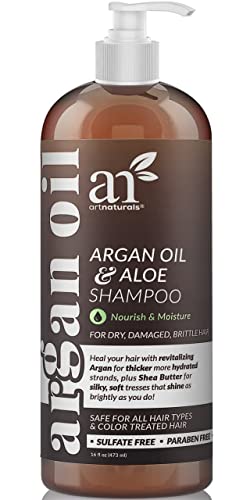
5. Art Naturals Argan Oil Shampoo with Rosemary
Best for: Color-treated or chemically processed hair
Key ingredients: Argan oil, rosemary, aloe vera
Price range: $15-18 for 16 oz
Why we love it: Gentle enough for color-treated hair while still delivering rosemary’s benefits. The argan oil adds protection and prevents color fading.
You can find these shampoos at major retailers, beauty supply stores, or online marketplaces. Always read recent customer reviews before purchasing to ensure the product quality remains consistent.
How to Use Rosemary Shampoo for Best Results
Using rosemary shampoo correctly makes all the difference. Here’s how to get the most from your product:
Start with thoroughly wet hair. This seems obvious, but really saturating your hair helps the shampoo distribute evenly and work more effectively.
Apply to your scalp, not your hair. Focus the shampoo on your scalp where it can do its magic. Your hair will get clean as you rinse, but the scalp is where you need the active ingredients to work.
Massage for 2-3 minutes. This is the most important step. Use your fingertips (not nails) to massage in circular motions. This stimulates blood flow and gives the rosemary compounds time to penetrate your scalp.
Let it sit for a minute. After massaging, let the shampoo sit on your scalp for an additional minute before rinsing. Think of it like a mini treatment.
Rinse with lukewarm water. Hot water can strip your scalp of natural oils and counteract the benefits. Lukewarm water is ideal.
Follow with conditioner. Apply conditioner only to your mid-lengths and ends, not your scalp. This prevents buildup while keeping your hair moisturized.
How Often Should You Use It?
For most people, using rosemary shampoo 2-3 times per week works best. Daily use can be drying for some hair types, while using it only once a week might not give you the consistent exposure needed for results.
If you have very oily hair, you might do well with daily use. Those with dry or color-treated hair should stick to 2 times per week maximum and use a good moisturizing conditioner.
Common Mistakes to Avoid
Don’t expect overnight results. Hair growth takes time, and you won’t see dramatic changes in the first few weeks.
Avoid using too much product. A quarter-sized amount is plenty for most people. Using more doesn’t mean better results.
Don’t skip the massage step. This is where the real benefits happen. Just quickly washing and rinsing won’t give you the circulation boost you’re after.
Choosing Rosemary Shampoo by Hair Type
The right rosemary shampoo depends on your specific hair needs. Here’s how to choose:
| Hair Type | Recommended Product | Key Features to Look For | Usage Frequency |
|---|---|---|---|
| Oily Hair | Avalon Organics Tea Tree & Rosemary | Clarifying ingredients, tea tree oil | 3-4x per week |
| Dry Hair | OGX Coconut Milk with Rosemary | Moisturizing oils, hydrating proteins | 2x per week |
| Normal Hair | Mielle Organics Rosemary Mint | Balanced formula, growth support | 2-3x per week |
| Thinning Hair | Actiiv Hair Science Recover | Multiple growth ingredients, caffeine | 3x per week |
| Color-Treated | Art Naturals Argan Oil | Sulfate-free, color-safe ingredients | 2x per week |
| Fine Hair | Mielle Organics Rosemary Mint | Lightweight, won’t weigh down | 2-3x per week |
| Thick/Coarse Hair | OGX Coconut Milk with Rosemary | Extra moisture, smoothing agents | 2-3x per week |
| Dandruff-Prone | Avalon Organics Tea Tree & Rosemary | Antimicrobial, anti-inflammatory | 2-3x per week |
For oily hair: Look for rosemary shampoos that include clarifying ingredients like tea tree oil or mint. These help control excess sebum production. The Avalon Organics option we mentioned earlier works great for this.
For dry hair: Choose formulas that combine rosemary with moisturizing ingredients like coconut oil, argan oil, or shea butter. The OGX Coconut Milk option is perfect here.
For normal hair: You have the most flexibility. Any quality rosemary shampoo should work well. Focus on finding one that smells good to you and fits your budget.
For color-treated hair: Opt for sulfate-free rosemary shampoos that won’t strip your color. The Art Naturals formula is designed specifically for this.
For thinning hair: Choose products that combine rosemary with other proven hair growth ingredients like biotin, caffeine, or saw palmetto. The Mielle Organics and Actiiv options are excellent choices.
How Long Until You See Results?
This is the million-dollar question everyone asks. Here’s the realistic timeline:
| Time Period | What to Expect | Signs of Progress |
|---|---|---|
| Week 1-2 | Adjustment period | Scalp may feel different, possible initial shedding |
| Week 3-4 | Improved scalp health | Less itching, better oil balance, reduced dandruff |
| Week 5-8 | Stronger existing hair | Less breakage, shinier appearance, less shedding in brush |
| Week 9-12 | Hair texture changes | Existing hair feels thicker, more volume at roots |
| Month 4-5 | Early growth phase | Baby hairs along hairline, increased density |
| Month 6+ | Visible new growth | Measurable increase in hair count, noticeable thickness |
Note: Individual results vary based on genetics, overall health, diet, and consistency of use.
2-4 weeks: You’ll notice your scalp feels healthier. Less itching, better oil balance, and reduced dandruff if that was an issue.
6-8 weeks: Your existing hair should look shinier and feel stronger. You might also notice less hair in your brush or shower drain.
3-6 months: This is when you’ll start seeing actual new growth. The hair growth cycle takes time, so patience is key here.
Most scientific studies on rosemary and hair growth measure results at the six-month mark. If you haven’t seen any improvement by then, you might need to try a different approach or consult a dermatologist about underlying issues.
Keep in mind that everyone’s hair grows at different rates. Genetics, diet, stress levels, and overall health all play a role.
Rosemary Shampoo vs. Rosemary Oil: Which Is Better?
You might be wondering whether you should use rosemary shampoo, rosemary oil, or both. Let’s break down the differences:
Rosemary shampoo is more convenient for daily or regular use. It’s already diluted to safe concentrations and doesn’t require any prep work. Perfect for busy people who want an easy addition to their routine.
Rosemary oil (like the kind you can make yourself) is more concentrated and potentially more powerful. However, it requires dilution with a carrier oil and needs to be applied separately from your regular hair washing routine.
| Feature | Rosemary Shampoo | Rosemary Oil Treatment |
|---|---|---|
| Application | Use as regular shampoo | Apply separately, leave in 30+ min |
| Convenience | Very easy – part of wash routine | Requires extra time and planning |
| Concentration | Lower (diluted for safety) | Higher (more potent) |
| Frequency | 2-3 times per week | 1-2 times per week |
| Mess Factor | Clean and simple | Can be oily/messy |
| Rinsing Required | Yes | Yes |
| Time Investment | 5-10 minutes total | 45-60 minutes total |
| Results Timeline | 3-6 months | 2-4 months (potentially faster) |
| Cost | $7-36 per bottle | $5-15 DIY or $15-30 pre-made |
| Best For | Daily maintenance | Intensive treatment |
| Can Use Together | Yes – recommended for best results | Yes – recommended for best results |
The honest answer? Using both gives you the best results. Use rosemary shampoo as your regular cleanser 2-3 times per week, then supplement with a rosemary oil scalp treatment once or twice a week on your off days.
If you can only choose one, go with the shampoo first. It’s easier to stick with, and consistency matters more than intensity when it comes to hair growth.
DIY Rosemary Shampoo Recipe
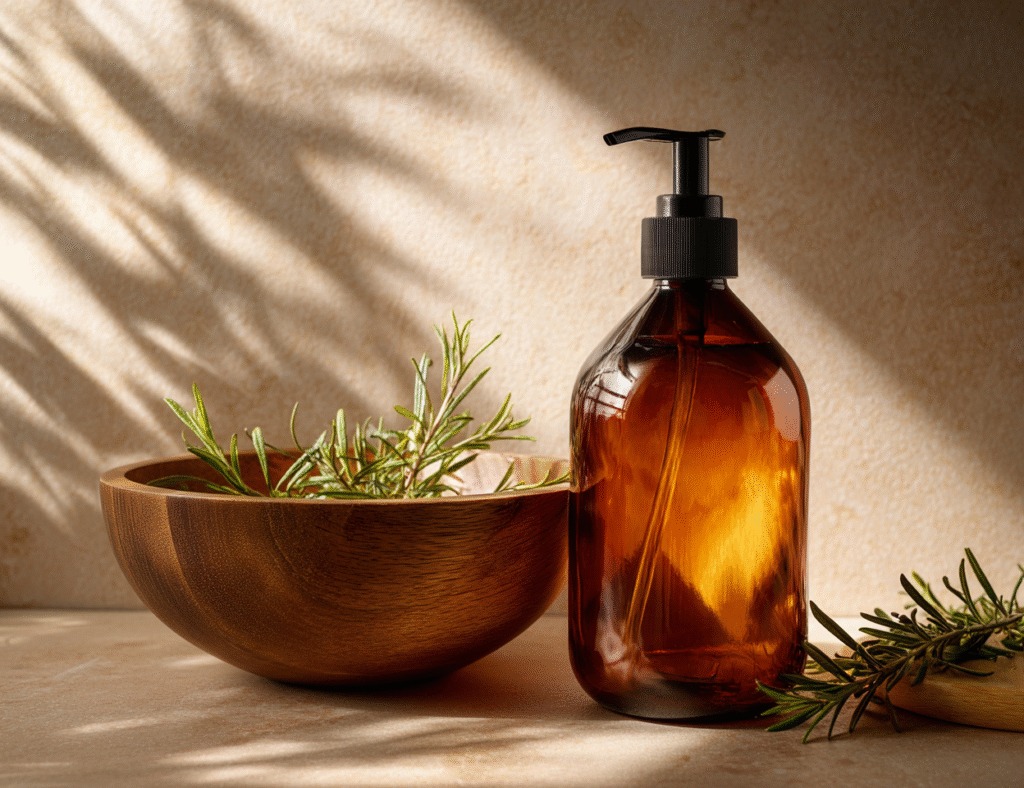
Want to make your own rosemary shampoo at home? It’s easier than you think and gives you complete control over the ingredients. Plus, if you’re growing your own rosemary, this is a perfect way to use your fresh herbs.
What You’ll Need:
- 1/2 cup fresh rosemary leaves (or 1/4 cup dried)
- 2 cups distilled water
- 1 cup liquid castile soap
- 10 drops rosemary essential oil (optional, for extra strength)
- 5 drops lavender or peppermint essential oil (optional, for scent)
- Empty shampoo bottle for storage
Instructions:
Make the rosemary infusion. Bring the distilled water to a boil, then add your rosemary leaves. Reduce heat and let it simmer for 15-20 minutes. The water should turn a light golden color and smell wonderfully herbal.
Strain and cool. Pour the infusion through a fine mesh strainer or cheesecloth to remove all plant material. Let the liquid cool completely to room temperature.
Combine ingredients. In your empty shampoo bottle, add the castile soap first, then pour in your cooled rosemary infusion. If using essential oils, add them now.
Shake gently. Cap the bottle and shake gently to combine everything. Don’t shake too vigorously or you’ll create too many bubbles.
| Factor | Store-Bought | Homemade (DIY) |
|---|---|---|
| Cost | $7-36 per bottle | $5-8 per batch |
| Convenience | High – ready to use | Medium – requires preparation |
| Shelf Life | 12-24 months | 1 month (no preservatives) |
| Customization | Limited to available products | Full control over ingredients |
| Consistency | Professional formulation | May vary batch to batch |
| Preservatives | Usually includes | None (shorter shelf life) |
| Active Ingredient Concentration | Standardized | Varies based on recipe |
| Best For | Busy lifestyles, consistency | DIY enthusiasts, ingredient control |
| Learning Curve | None | Minimal – simple recipe |
| Storage Requirements | Room temperature | Cool, dark place; refrigeration optional |
Storage and Shelf Life
Store your homemade rosemary shampoo in a cool, dark place like your bathroom cabinet. It should last about one month. Since this contains no preservatives, watch for any changes in smell or appearance. If it starts to look cloudy or smells off, it’s time to make a fresh batch.
Shake the bottle before each use, as natural ingredients can separate over time.
This DIY approach works well if you enjoy making your own herbal products and want to save money. However, if you’re short on time or want a more stable product, store-bought options are perfectly fine.
Side Effects and Who Shouldn’t Use Rosemary Shampoo
Rosemary shampoo is generally safe for most people, but there are a few precautions to keep in mind:
Possible side effects include mild scalp irritation, itching, or redness, especially when you first start using it. If this happens, reduce your usage frequency or switch to a gentler formula.
Allergic reactions are rare but possible. If you have sensitive skin or known allergies to herbs in the mint family, do a patch test first. Apply a small amount of the shampoo to your inner forearm, wait 24 hours, and check for any reaction.
Pregnancy and breastfeeding: While topical rosemary use is generally considered safe, some sources suggest limiting exposure during pregnancy. If you’re pregnant or nursing, check with your healthcare provider first.
Certain medications: Rosemary can potentially interact with blood thinners, diuretics, and lithium. If you’re on any of these medications, consult your doctor before using rosemary products regularly.
Epilepsy: Some sources suggest people with epilepsy should avoid high concentrations of rosemary oil, though shampoo concentrations are typically fine. Still, it’s worth discussing with your neurologist if you have concerns.
If you experience any severe reactions like swelling, difficulty breathing, or intense burning, discontinue use immediately and seek medical attention.
Maximizing Your Results with Rosemary Shampoo
Want to supercharge your hair growth journey? Combine rosemary shampoo with these strategies:
Eat a hair-healthy diet. All the rosemary shampoo in the world won’t help if you’re deficient in key nutrients. Make sure you’re getting enough protein, biotin, iron, and vitamins A, C, and E.
Reduce stress. Chronic stress is a major contributor to hair loss. Find stress management techniques that work for you, whether that’s exercise, meditation, or simply getting enough sleep.
Be gentle with your hair. Avoid tight hairstyles, excessive heat styling, and harsh chemical treatments that can damage your hair and counteract your growth efforts.
Stay consistent. This might be the most important tip. Using rosemary shampoo sporadically won’t give you results. Commit to a regular routine for at least six months before deciding if it works for you.
Consider a complete rosemary routine. Use rosemary shampoo, follow with a rosemary oil treatment, and even drink rosemary tea occasionally for internal benefits.
Frequently Asked Questions About Rosemary Shampoo
How long does it take for rosemary shampoo to work?
Most people start noticing improvements in scalp health within 2-4 weeks. However, visible hair growth typically takes 3-6 months of consistent use. Hair grows slowly (about half an inch per month on average), so patience is essential.
Can rosemary shampoo cause hair loss?
No, rosemary shampoo doesn’t cause hair loss. However, if you’re experiencing increased shedding when you first start using it, this is likely normal. Your hair goes through growth cycles, and sometimes rosemary stimulates shedding of weaker hairs to make room for stronger growth. This should stabilize within a few weeks.
Is rosemary shampoo safe for color-treated hair?
Yes, but choose a sulfate-free formula specifically designed for color-treated hair. Rosemary itself won’t strip color, but some shampoos contain harsh cleansers that might. The Art Naturals option we mentioned earlier is a good choice for colored hair.
Can I use rosemary shampoo every day?
You can, but it’s not necessary for most people. Daily use might be drying, especially if you have naturally dry hair or a sensitive scalp. Start with 2-3 times per week and adjust based on how your hair responds.
Does rosemary shampoo work for all hair types?
Yes, rosemary shampoo benefits all hair types, from straight to coily. However, you should choose a formula that addresses your specific needs. Dry, curly hair needs extra moisture, while fine, oily hair needs lightweight cleansing.
Can rosemary shampoo help with alopecia?
Some studies suggest rosemary may help with androgenetic alopecia (pattern baldness), but results vary. If you have alopecia areata (an autoimmune condition), you should work with a dermatologist rather than relying solely on rosemary shampoo.
Will rosemary shampoo make my hair smell like herbs?
Most commercial rosemary shampoos have a pleasant, mild scent that doesn’t linger strongly after rinsing. If you’re making your own, you can add essential oils like lavender or citrus to customize the scent.
Can men use rosemary shampoo?
Absolutely! Rosemary shampoo works just as well for men as it does for women. In fact, since male pattern baldness is related to DHT, and rosemary may help block DHT, men might see particularly good results.
How do I know if my rosemary shampoo has enough active ingredients?
Look at the ingredient list. Rosemary oil or rosemary extract should be listed in the first five ingredients. If it’s near the end of the list, there’s probably not enough to be effective. Also check for other beneficial ingredients like biotin or saw palmetto.
Can I alternate rosemary shampoo with my regular shampoo?
Yes, many people do this successfully. You might use rosemary shampoo 2-3 times per week and your regular shampoo on other days. Just make sure your regular shampoo isn’t too harsh, or it could counteract the benefits.
Conclusion
Rosemary shampoo offers real, science-backed benefits for hair growth and scalp health. While it’s not a miracle cure that’ll transform your hair overnight, consistent use over several months can lead to stronger, thicker, healthier hair.
The key is choosing a quality product that matches your hair type, using it correctly with the proper scalp massage technique, and being patient enough to give it time to work. Whether you opt for a trusted commercial brand or make your own at home, rosemary shampoo is worth adding to your hair care routine.
Remember, healthy hair starts with a healthy scalp. By improving circulation, reducing inflammation, and balancing oils, rosemary creates the ideal environment for your hair to thrive. Give it a try for at least three months, and you might be surprised by the results.
Ready to learn more about rosemary and its many uses? Explore our other guides on this versatile herb, from cooking applications to DIY projects that bring its benefits into every area of your life.