Essential Herb Gardening Tools: 7 Must-Haves for Beginners
Starting your herb garden shouldn’t require a garage full of expensive equipment. Unlike vegetable gardening, herb cultivation needs specialized tools designed for delicate plants, precision harvesting, and small-space growing.
The right herb gardening tools make the difference between thriving plants that produce abundant harvests and struggling herbs that never reach their potential. From micro-tip pruning shears that won’t crush tender cilantro stems to ergonomic hand trowels perfect for container planting, each tool serves a specific purpose in herb cultivation.

As an Amazon Associate I earn from qualifying purchases and sometimes recommend products from other sellers at no extra cost to you. For more details see my disclosure policy and privacy policy.
Why Herb Gardening Needs Specialized Tools
Growing herbs presents unique challenges that general gardening tools can’t handle effectively. Herb plants have delicate stems that standard pruning shears can crush, releasing essential oils and potentially damaging the plant. Many herbs grow in tight spaces or containers, requiring precision tools that won’t disturb neighboring plants.
Forged & Grown — The Shop
Handpicked products chosen to fit the way we cook, grow, and create. Nothing generic — every item earns its place.
Visit the Shop


The harvesting process also differs significantly from other crops. When you cut basil incorrectly, you can trigger premature flowering and bitter leaves. Herbs like rosemary develop woody stems that need specific cutting techniques to promote new growth.
Most importantly, herbs are often harvested multiple times throughout the season. Tools that work gently and precisely ensure your plants continue producing fresh leaves rather than becoming stressed and stopping growth.
Essential Tools Every Herb Gardener Needs
1. Micro-Tip Pruning Shears
Why you need them: Standard pruning shears crush delicate herb stems, damaging plant tissues and reducing harvest quality. Micro-tip shears make precise cuts that heal quickly and don’t bruise tender leaves.
Best uses for herbs:
- Harvesting cilantro without damaging nearby stems
- Deadheading spent flowers on basil to prevent bitter leaves
- Precision pruning of dense thyme and oregano patches
- Trimming chive tips without pulling up bulbs
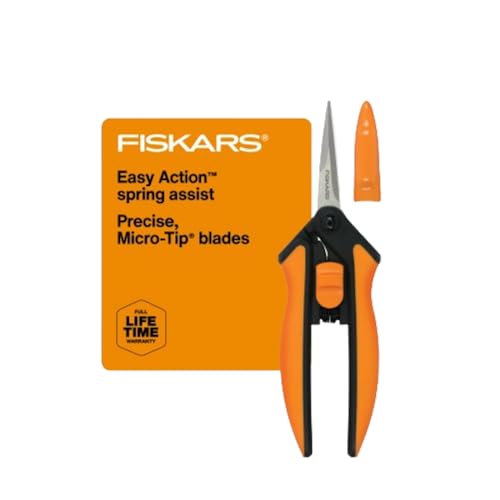
Product recommendation: Fiskars Micro-Tip Pruning Snips feature ultra-sharp, pointed blades perfect for detailed work. The spring-action design reduces hand fatigue during extended harvesting sessions.
2. Ergonomic Hand Trowel with Measurement Marks
Why herbs need it differently: Herb roots are often more delicate than vegetable roots, and many herbs prefer specific planting depths. A quality trowel with depth markers ensures proper planting without root damage.
Herb-specific applications:
- Transplanting seedlings without disturbing root balls
- Creating precise holes for succession planting of basil
- Mixing amendments into container soil without compacting
- Dividing established chive and oregano clumps
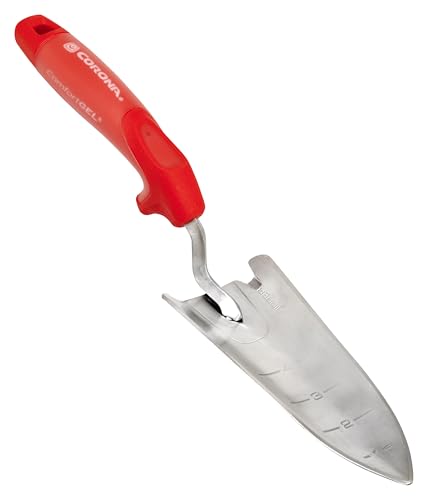
Product recommendation: Corona ComfortGEL Hand Trowel includes depth measurements and a soft grip handle that reduces pressure on wrists during repetitive planting tasks.
3. Precision Watering Tools
The herb watering challenge: Many herbs prefer consistent moisture without waterlogged soil. Traditional watering cans often deliver too much water too quickly, leading to root rot or washing away seeds.
Essential watering solutions:
- Watering wand with adjustable spray: Perfect for gentle watering of seedlings and established plants
- Self-watering spike system: Ideal for container herbs that need consistent moisture
- Copper watering can with long spout: Provides controlled water flow for precision watering
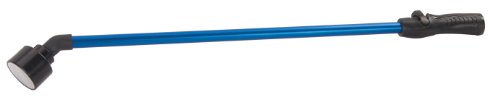
Product recommendation: Dramm One Touch Rain Wand offers multiple spray patterns, from gentle mist for seedlings to steady stream for deep watering mature rosemary.
4. Herb-Specific Hand Cultivator
Why herbs need gentle soil work: Unlike vegetables that benefit from deep cultivation, most herbs prefer shallow soil disturbance that doesn’t damage surface roots or disturb beneficial soil microorganisms.
Herb garden applications:
- Breaking up soil crust around Mediterranean herbs like thyme
- Gently incorporating compost around established plants
- Removing weeds without disturbing shallow herb roots
- Aerating container soil without transplanting
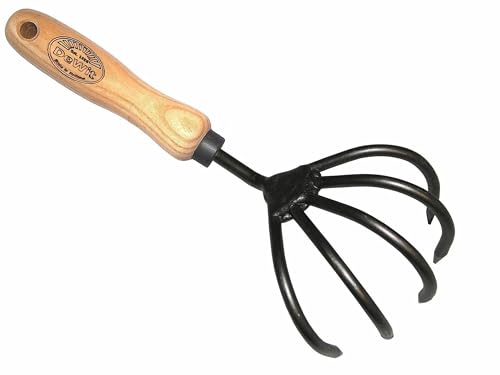
Product recommendation: DeWit Hand Cultivator features three sharp tines that work efficiently in tight spaces between herb plants.
5. Harvesting and Processing Tools
The herb harvest difference: Unlike vegetables harvested once, herbs need frequent, strategic harvesting that encourages continued growth. The wrong cutting technique can end your season early.
Essential harvesting tools:
- Herb scissors with multiple blades: Cut chives and other fine herbs quickly and evenly
- Harvest basket with handle: Keeps delicate leaves from getting crushed
- Digital scale for precision: Essential for recipe development and preservation projects
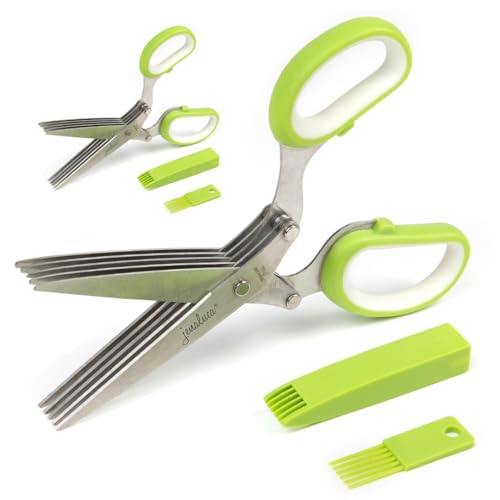
Product recommendation: Jenaluca Herb Scissors feature 5 sharp blades that cut chives, green onions, and other thin herbs in seconds. The included cleaning comb removes cut herbs easily.
6. Soil Testing and Monitoring Equipment
Why herbs need different soil conditions: Many popular herbs originate from Mediterranean climates and prefer alkaline, well-draining soil – very different from typical garden conditions.
Critical monitoring tools:
- Digital pH meter: Most herbs prefer pH 6.0-7.5, different from acid-loving plants
- Moisture meter: Prevents overwatering that kills more herbs than drought
- Soil thermometer: Timing planting for warm-season herbs like basil
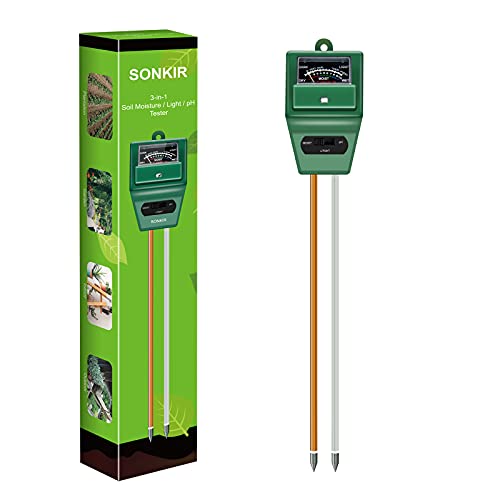
Product recommendation: Sonkir 3-in-1 Soil Meter tests pH, moisture, and light levels without batteries, perfect for quick checks around the herb garden.
7. Protective and Comfort Gear
Herb-specific protection needs: Working with herbs means handling plants with essential oils that can irritate skin, plus frequent harvesting requires comfortable tools for extended use.
Essential protective equipment:
- Nitrile-coated gloves: Protect against plant oils while maintaining dexterity
- Knee pads or garden kneeler: Essential for low-growing herbs like thyme and oregano
- Garden apron with pockets: Keep harvesting tools accessible during frequent cutting
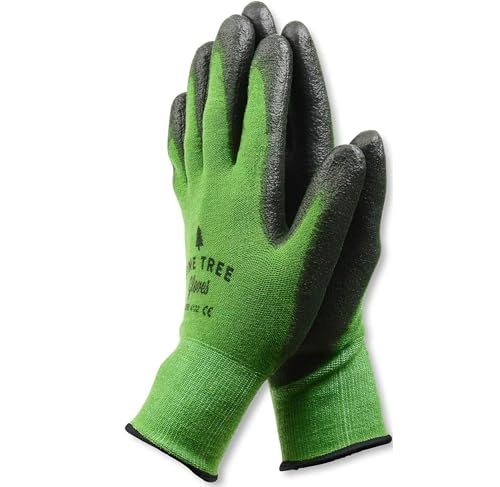
Product recommendation: Pine Tree Tools Bamboo Working Gloves offer protection from thorns and plant irritants while allowing the flexibility needed for delicate herb work.
Herb-Specific Tool Techniques
Proper Basil Harvesting
Always cut basil stems just above a pair of leaves, never below. Use micro-tip shears to make clean cuts that don’t crush the stem. Cut in the morning after dew dries but before the heat of the day reduces essential oil content.
Managing Woody Herbs
Rosemary, thyme, and oregano develop woody stems that require different cutting techniques. Use bypass pruners (not anvil-type) to cut woody growth, making cuts at a 45-degree angle just above new growth nodes.
Container Herb Maintenance
Container herbs need more frequent attention than ground-planted herbs. Use your hand trowel to check soil moisture depth and your cultivator to prevent soil compaction from frequent watering.
Tool Storage Solutions for Small Spaces
Many herb gardeners work with limited space, whether on balconies, small patios, or kitchen windowsills. Efficient tool storage becomes essential for maintaining an organized growing area.
Space-saving storage ideas:
- Wall-mounted tool holders that keep frequently-used items accessible
- Rolling cart systems that move between indoor and outdoor growing areas
- Tool belts or aprons that keep essentials within reach during harvesting
- Magnetic strips for metal tools on the side of raised beds or containers
Product recommendation: Fiskars Tool Belt Combo includes pruners, snips, and a holster that keeps tools organized and prevents losing small items in dense herb plantings.
Maintenance and Care for Herb Garden Tools
Herb gardening tools require different maintenance than standard garden equipment because they’re used more frequently and often work with plants that have sticky resins or strong essential oils.
Cleaning After Each Use
Plant resins from herbs like rosemary and sticky saps from basil can build up on cutting tools, making them less effective and potentially spreading plant diseases. Clean tools with rubbing alcohol or a mild soap solution after each use.
Sharpening Precision Tools
Micro-tip shears and herb scissors need frequent sharpening to maintain clean cuts. Dull blades crush plant tissues instead of cutting cleanly, which can introduce disease and reduce plant vigor.
Preventing Rust and Corrosion
Many herb gardens use frequent watering or are located in humid conditions. Apply a light coating of oil to metal parts and store tools in dry locations when not in use.
Budget-Friendly Alternatives
Starting an herb garden doesn’t require expensive equipment. Here are cost-effective alternatives that still provide herb-specific functionality:
DIY solutions:
- Kitchen scissors can substitute for herb scissors (though not as efficient)
- A butter knife works as a hand cultivator for container herbs
- Mason jars make excellent individual watering devices with holes punched in lids
- A kitchen scale serves as a harvest scale for recipe development
Multi-purpose tools: Look for tools that serve multiple herb gardening functions, like combination trowel-cultivators or pruners with multiple blade types.
When to Upgrade Your Herb Garden Tools
Start with basic, quality tools and upgrade based on your growing experience and garden expansion. Signs it’s time to upgrade include:
- Frequent hand fatigue during harvesting (upgrade to ergonomic tools)
- Difficulty making clean cuts on woody herbs (invest in quality bypass pruners)
- Struggling with precision work in tight spaces (add micro-tip shears)
- Expanding to indoor growing (add specialized lighting and watering equipment)
Seasonal Tool Needs
Spring Setup
Focus on planting and transplanting tools: trowels, soil meters, and watering equipment for getting seedlings established.
Summer Maintenance
Emphasize harvesting and maintenance tools: pruning shears, herb scissors, and cultivation tools for keeping plants productive.
Fall Preparation
Concentrate on preservation tools: drying racks, harvest baskets, and storage containers for processing the season’s abundance.
Winter Planning
Indoor growing season requires specialized equipment: grow lights, humidity monitors, and compact watering tools for windowsill gardens.
Advanced Tools for Serious Herb Gardeners
Once you’ve mastered basic herb gardening, consider these specialized tools:
Herb drying and processing:
- Dehydrator with herb-specific settings
- Mortar and pestle for grinding dried herbs
- Vacuum sealer for long-term storage
Propagation equipment:
- Heat mats for seed starting
- Humidity domes for cutting propagation
- Rooting hormone for woody herb cuttings
Precision growing tools:
- Digital hygrometer for monitoring growing conditions
- Portable greenhouse for season extension
- Drip irrigation systems for consistent watering
Common Tool Mistakes to Avoid
Using Wrong Tool Types
Anvil-type pruners crush herb stems instead of cutting cleanly. Always use bypass-type pruners or scissors for herb harvesting.
Over-watering Equipment
Heavy-flow watering tools can wash away seeds, compact soil, or deliver too much water too quickly for herb plants that prefer moderate moisture.
Ignoring Tool Size
Full-size garden tools are often too large for herb garden work. Invest in appropriately-sized tools that match the scale of herb gardening tasks.
Building Your Herb Tool Collection
Start with the essentials: Micro-tip pruners, hand trowel, and basic watering equipment will handle 80% of herb gardening tasks.
Add based on your growing style: Container gardeners need different tools than ground-bed growers. Indoor herb gardeners require specialized equipment for artificial growing conditions.

Invest in quality gradually: Buy the best version you can afford of frequently-used tools, and upgrade other items as your experience and needs grow.
Frequently Asked Questions
Do I need different tools for indoor vs outdoor herb gardens? Indoor herb gardens require gentler tools and more precise watering equipment. Outdoor gardens can handle slightly more robust tools, but the basic principles remain the same.
How often should I replace herb garden tools? Quality tools should last many years with proper maintenance. Replace cutting tools when they no longer hold a sharp edge, and replace other tools when they become unsafe or inefficient to use.
Can I use kitchen tools for herb gardening? Kitchen scissors work for harvesting, and kitchen knives can substitute for some cutting tasks. However, dedicated garden tools are designed for plant physiology and will give better results.
What’s the most important tool for beginning herb gardeners? Quality pruning shears or herb scissors are the most critical investment. Poor cutting tools can damage plants and reduce harvests, while good cutting tools encourage healthy growth.
How do I know if my tools are harming my herbs? Signs of tool damage include crushed stems, brown edges on cut leaves, slow healing of cut areas, and reduced plant vigor after harvesting or pruning.
Should I buy tool sets or individual tools? Individual tools allow you to choose quality items specific to your needs. Tool sets often include items you won’t use and may compromise on quality to hit a price point.
What tools help with herb preservation? Sharp harvesting tools ensure quality cuts that preserve essential oils. Processing tools like herb scissors and drying equipment help maintain quality during preservation.
Conclusion
The right tools transform herb gardening from a frustrating hobby into a rewarding practice that provides fresh ingredients and aromatic plants year-round. Unlike general gardening, herbs require precision tools that respect their delicate nature while maximizing harvest potential.
Start with quality cutting tools, efficient watering equipment, and basic soil management tools. As your skills and garden expand, add specialized equipment that matches your growing style and space constraints.
Remember that herb gardening tools are an investment in your success. Quality tools last longer, work more efficiently, and help your plants thrive. Your herbs will reward proper tool selection with abundant harvests and vigorous growth throughout the growing season.