Fennel Essentials: Growing Tips, Cooking Ideas, and Health Benefits
Often overlooked in home kitchens, fennel is a versatile Mediterranean herb that offers both culinary and medicinal benefits. With its distinctive licorice-like flavor and impressive versatility—from its crisp bulb to its feathery fronds—fennel deserves a prominent place in both your garden and kitchen.
Whether you’re a seasoned chef or gardening enthusiast, discover why this ancient herb continues to captivate food lovers worldwide.
As an Amazon Associate I earn from qualifying purchases and sometimes recommend products from other sellers at no extra cost to you. For more details see my disclosure policy and privacy policy.
What is Fennel?
Fennel (Foeniculum vulgare) belongs to the Apiaceae family, sharing its lineage with carrots, dill, and parsley. Native to the Mediterranean basin, this aromatic herb has been cultivated for thousands of years.
Forged & Grown — The Shop
Handpicked products chosen to fit the way we cook, grow, and create. Nothing generic — every item earns its place.
Visit the Shop


Ancient Romans and Greeks particularly valued fennel for its medicinal properties and considered it a symbol of success. Warriors would consume it for courage before battle, while medieval healers prescribed it for various ailments.
Today, fennel remains a staple in Italian seasoning blends and Mediterranean cuisine.
Common Varieties
Whether you’re planning to grow fennel or purchase it at the market, understanding the different varieties will help you choose the best type for your needs:
- Florence Fennel (Finocchio)
- Prized for its bulbous base
- Mild, sweet flavor
- Ideal for salads and roasting
- Common Fennel (Wild Fennel)
- Grown primarily for seeds and fronds
- More intense flavor
- Perfect for seasoning
- Bronze Fennel
- Decorative bronze-colored foliage
- Same anise flavor as green varieties
- Popular in ornamental gardens
Health Benefits
Fennel’s popularity extends beyond its culinary applications, thanks to its impressive nutritional profile. Rich in fiber, potassium, and vitamin C, fennel supports overall health and well-being.
Like many herbs featured in our guide to natural anti-inflammatory herbs, fennel possesses notable anti-inflammatory properties. It has long been valued as a digestive aid, helping to reduce bloating and support gut health. Recent research also suggests benefits for respiratory health, antimicrobial properties, and potential support for heart health.
Growing Your Own
Similar to growing other herbs, fennel thrives in well-draining soil rich in organic matter and requires full sun exposure of 6-8 hours daily. Consistent moisture is crucial, especially during bulb formation.
The growing season extends from spring through fall, though careful timing is essential to prevent bolting in hot weather. Before starting your fennel garden, consider investing in the right gardening tools for optimal results.
Basic Usage Guide
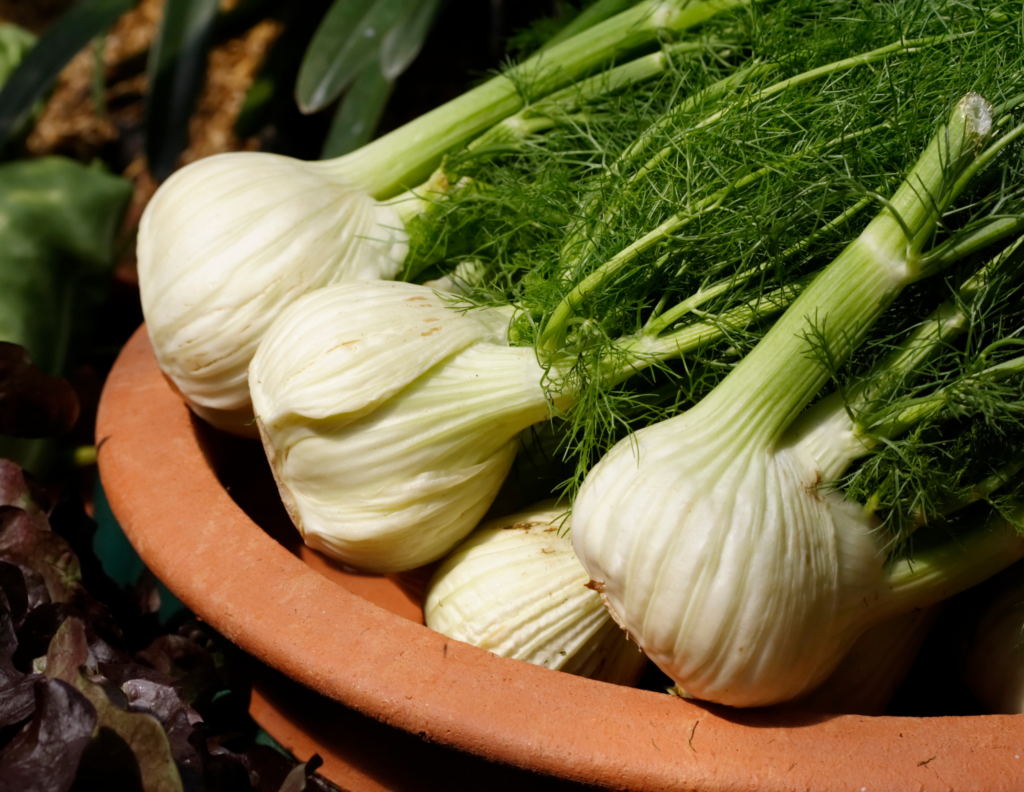
Fennel’s versatility in the kitchen makes it a valuable ingredient across various cuisines. The bulb can be thinly sliced for salads or roasted as a side dish, while the fronds make excellent garnishes or herb seasonings.
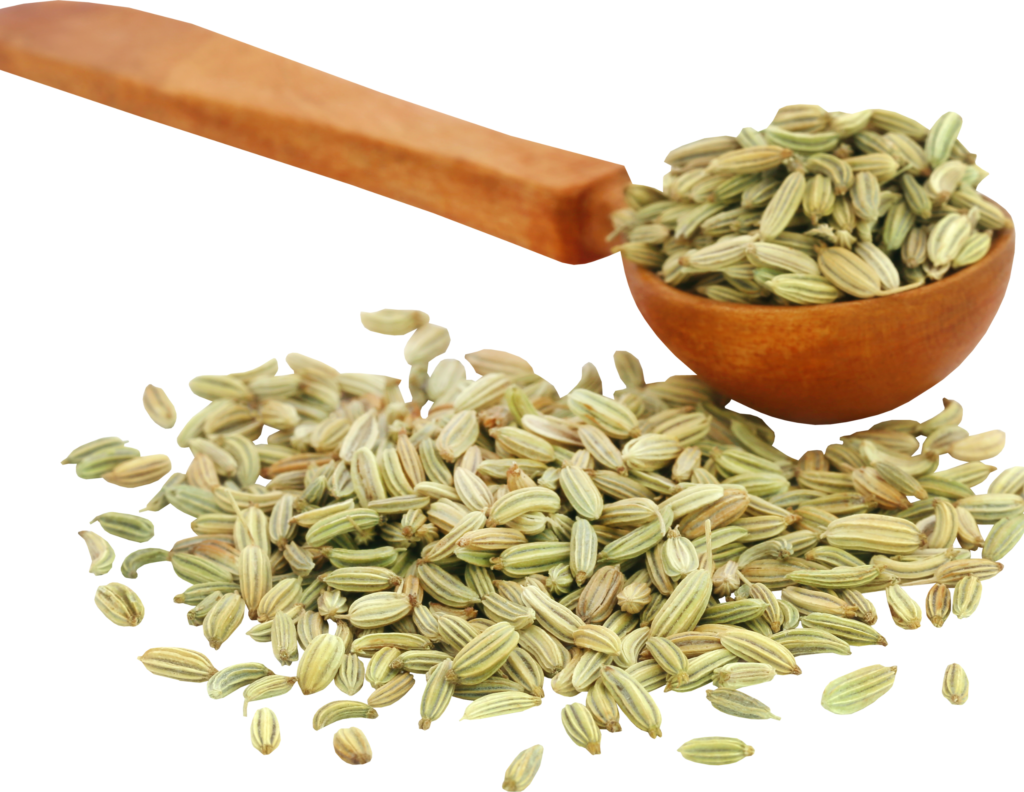
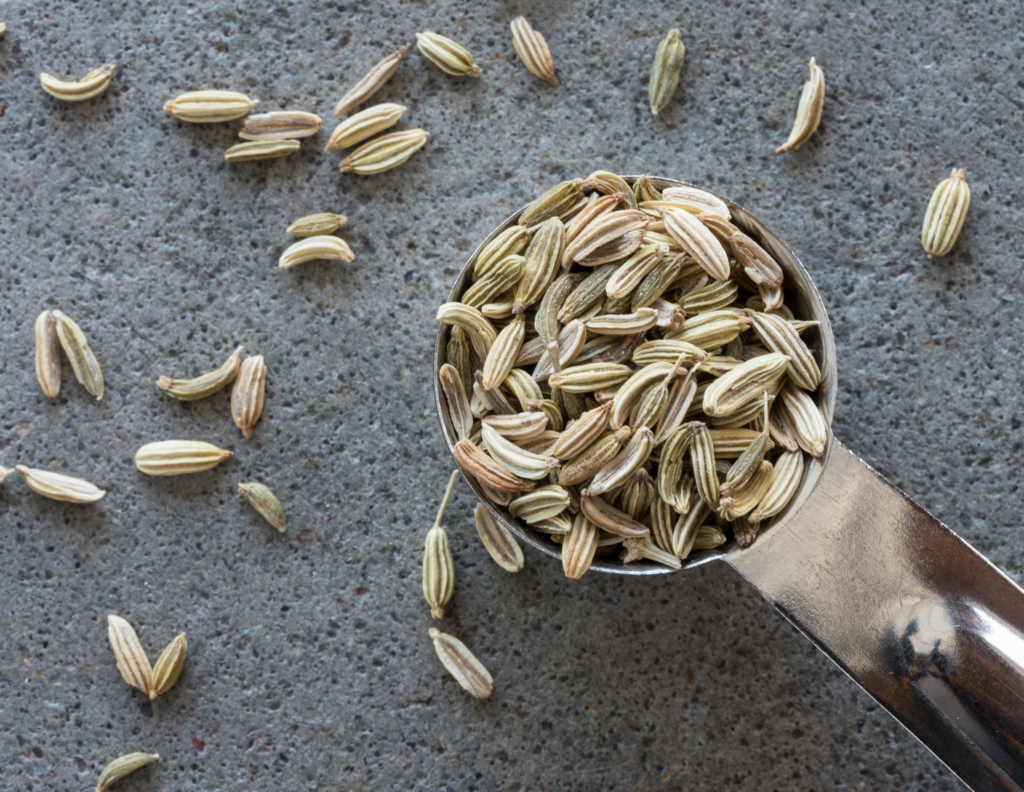
The seeds, which develop a deeper flavor when toasted, are perfect for spice blends. Fennel pairs beautifully with other Mediterranean herbs like rosemary and basil, and adds depth to soups and stews.
Recipe Ideas
Roasted Fennel with Parmesan offers a simple yet elegant side dish that perfectly complements herb-crusted proteins. For a refreshing option, try Fennel and Orange Salad, which pairs wonderfully with mint.
Similar to other herbal teas, Fennel Tea provides digestive benefits and a soothing anise flavor. For a more advanced project, create Fennel-Infused Oil following techniques similar to our guide for other herb-infused oils.
Storage Methods
Proper storage ensures you’ll get the most from your fennel. For fresh fennel bulbs, wrap them in a damp paper towel and store in the refrigerator for up to five days. The fronds can be dehydrated or frozen for later use, while seeds should be collected when fully dried and stored in an airtight container.
Watch for signs of spoilage such as browning of cut edges, soft spots on the bulb, or loss of fragrance.
Frequently Asked Questions
Q: Can I grow fennel indoors? A: Yes, you can grow fennel indoors, but it requires deep pots and access to full sun. Place your containers near a south-facing window for best results.
Q: Will fennel cross-pollinate with other herbs? A: Yes, fennel can cross-pollinate with dill. To maintain pure seed stock, plant these herbs separately in your garden, ideally at least 100 feet apart.
Q: How do I prevent fennel from bolting? A: Plant fennel in early spring or fall to avoid hot weather, which triggers bolting. Consistent watering and proper timing of planting are key to preventing premature flowering.
Q: Can I use the whole plant? A: Yes, every part of the fennel plant is edible and useful. The bulb can be cooked or eaten raw, fronds work as herbs or garnishes, and seeds are valuable spices.
Q: What are good substitutes for fennel? A: For fennel seeds, use anise seeds as they have a similar flavor. For the bulb, celery provides a similar crunch, though the flavor will be different.
Q: When should I harvest fennel? A: Harvest bulbs when they reach 3-4 inches in width, typically before the plant flowers. For seeds, wait until the flowers turn brown and begin to dry.
Q: Can fennel be grown hydroponically? A: Yes, fennel can be grown hydroponically, similar to other hydroponic herbs. It requires good nutrient solution management and adequate lighting.
Q: How long does fennel take to grow? A: Fennel typically takes 90-115 days from seed to harvest when growing for the bulb. Leaves can be harvested earlier as needed.
Conclusion
Fennel’s versatility makes it a valuable addition to any herb garden or kitchen. From its crisp bulb to its aromatic seeds and decorative fronds, every part of this herb offers unique culinary possibilities.
Whether you’re growing it yourself or purchasing it fresh, fennel’s distinctive flavor and impressive health benefits make it worth exploring. Start with simple applications and gradually experiment with more complex recipes to discover your favorite ways to use this remarkable herb.