
How to Start a Micro Herb Garden in a Small Space (Balcony, Windowsill, or Doorstep)
You don’t need a garden. You don’t even need a yard. A south-facing windowsill, a small balcony, or a sunny doorstep is all it takes to grow a handful of fresh herbs that will genuinely change the way you cook. The “micro herb garden” trend has taken off across social media for good reason — it’s low-cost, low-maintenance, and the payoff is immediate.
Whether you’re inspired by the terracotta pot aesthetics you keep seeing on your feed or you’re just tired of buying sad supermarket herb bundles that wilt before you’ve used half of them, starting small is the smartest move. This guide covers everything from which herbs to pick first, to why those cheap supermarket pots are actually a goldmine in disguise — and how to make them last.
As an Amazon Associate I earn from qualifying purchases and sometimes recommend products from other sellers at no extra cost to you. For more details see my disclosure policy and privacy policy.
The “3-Pot Formula” for Beginners
The biggest mistake new herb growers make is buying too many plants at once, watching half of them fail, and giving up entirely. The fix is embarrassingly simple: start with three pots.
Forged & Grown — The Shop
Handpicked products chosen to fit the way we cook, grow, and create. Nothing generic — every item earns its place.
Visit the Shop


A good beginner lineup gives you one sun-hungry Mediterranean herb (basil, thyme, or oregano), one tough-as-nails perennial that tolerates shade (mint or chives), and optionally a third that bridges both worlds (parsley or rosemary). These three categories cover most of what you actually cook with, and they each have different care needs that are easy to learn in parallel.
The beauty of this approach is that each pot teaches you something. Basil shows you how quickly herbs react to light changes. Mint shows you how forgiving a pot-bound herb can be. Thyme shows you that not everything needs constant watering — and in fact, that overwatering is far more likely to kill your herbs than underwatering.
The 3-Pot Formula
One sun-lover. One shade-tolerant workhorse. One bridge herb. That’s all you need to start.
Why Separate Pots Matter
One of the most shared tips in the herb-gardening community — and one backed by solid horticultural reasoning — is to keep mint in its own pot. Always. Mint is extraordinarily vigorous and will spread to crowd out slower-growing neighbours if given the chance. A window box that starts as a “mixed herb garden” can become an entirely mint box within a few weeks if you’re not careful.
Beyond mint, different herbs have genuinely different watering needs. Thyme and rosemary are Mediterranean plants that prefer their roots to dry out between waterings, while basil and parsley like consistently moist (but not soggy) compost. Grouping them in separate pots means you can water each on its own schedule rather than compromising the care of all of them.
Choosing Your Herbs: Sun-Lovers vs. Shade-Tolerant Picks
Getting this right is the key to success with a small-space setup, because your placement options are fixed. Before you buy anything, take an honest look at your windowsill or balcony and think about how many hours of direct sun it gets on a typical day.
South, south-east, or south-west-facing spots are the ideal placement for a micro herb garden, giving you the bright, prolonged light that herbs like basil, thyme, and oregano thrive in. These Mediterranean herbs want roughly 6 or more hours of direct sunlight and a free-draining compost — they were bred for warm, dry hillsides, and a cold, damp pot is their worst enemy.
If your only option is a north or east-facing window, you’re not out of luck — you just need to adjust your herb selection. Shade-tolerant herbs like mint, chives, parsley, coriander, and lemon balm will produce perfectly well on shadier spots, just with slightly slower growth. You can read more about how different members of the mint family perform in low-light situations in the mint family guide.
A Quick Herb-by-Herb Breakdown
- Basil is the fussiest of the four starter herbs. It demands warmth and high light, struggles on cold winter sills, and will go one-sided and leggy without regular rotation. Rotating the pot every few days keeps growth even. In the US, basil is a summer-only outdoor plant in most zones — bring it in before temperatures drop below 50°F (10°C).
- Thyme is the opposite of demanding. It’s drought-tolerant, happy with 4–6 hours of sun, and more productive with 6+. A gritty, free-draining mix suits it best. In the US, thyme is hardy to around Zone 4 and can often overwinter on a sheltered balcony.
- Mint prefers cooler conditions and handles partial shade well, making it one of the most forgiving herbs for less sunny flats or apartments. Keep it contained — a dedicated 15–20cm pot is ideal. There’s a whole world of mint varieties to explore; the mint family guide covers the differences.
- Chives are tough perennials that tolerate some shade and come back year after year. They can be divided and potted up from outdoor clumps in autumn, making them essentially free if you already grow them outside. For a full profile on growing and using them, see the complete chives guide.
The £10 / $10 Supermarket Herb Hack (And Why It Actually Works)
This is the content format that’s been going absolutely wild on short-form video — and it works because it’s genuine. Those £1–2 supermarket “living herb” pots that most people buy, use once, and watch die within a week? They’re not weak plants. They’re overcrowded ones.
The Supermarket Herb Split
That £1.50 pot of basil isn’t one plant — it’s a crowd of seedlings fighting for space. Here’s how to turn one pot into four thriving plants in under 10 minutes.
Pick up a supermarket pot
Grab a “living herb” pot of basil, mint, parsley, or chives. What looks lush and full is actually many seedlings crammed into a tiny plug of depleted compost.
✓ Any supermarket or garden centreTip out the root ball
Gently squeeze the sides of the pot and slide the root ball out onto a table. You’ll see a dense, tightly coiled mass of roots — this is why they die so quickly in the original container.
✓ Do this within 24 hrs of buyingTease apart into 3–4 clumps
Use your fingers to gently separate the root mass into 3–4 smaller clumps. Don’t worry about being too gentle — the roots can handle more handling than you’d expect. Some root loss is fine.
✓ Work gently but confidentlyPot each clump separately
Plant each clump into its own pot with fresh, free-draining compost. Water in, place in a bright spot, and leave them to settle. Within 5–7 days you’ll see visible new growth as the roots expand.
✓ New growth visible in ~7 daysA supermarket basil pot typically contains somewhere between 5 and 15 seedlings jammed together in a tiny plug of compost that’s been heavily fertilised for fast growth under glasshouse conditions. The plants are genuinely stressed from the moment they leave the controlled environment. What looks like one lush, full plant is actually a small colony of seedlings competing for the same tiny pocket of nutrients and root space.
The fix is simple: repot them as soon as you get them home. Gently tease the root ball apart into 3–4 smaller clumps, pot each clump into a larger container with fresh, fertile but free-draining compost, water them in, and give them a few days to recover. The one-week “bounce back” update you see in viral videos is real — the plants respond visibly once they have space to expand their roots.
Getting the Right Pot and Compost
Almost any culinary herb will be happy in a container, provided two conditions are met: the pot has drainage holes, and the compost is free-draining. Heavy garden soil is too dense and holds too much water — a standard peat-free multipurpose compost, or a dedicated herb compost, is a much better choice for containers.
On pot material: terracotta is breathable and helps prevent root rot, but dries out faster and will need more frequent watering, especially in warm weather. Plastic holds moisture longer, which suits basil and parsley well, but can cause problems for Mediterranean herbs if overwatered. In the US, unglazed terracotta can crack in hard frosts if left outside, so store it indoors once temperatures regularly drop below freezing.
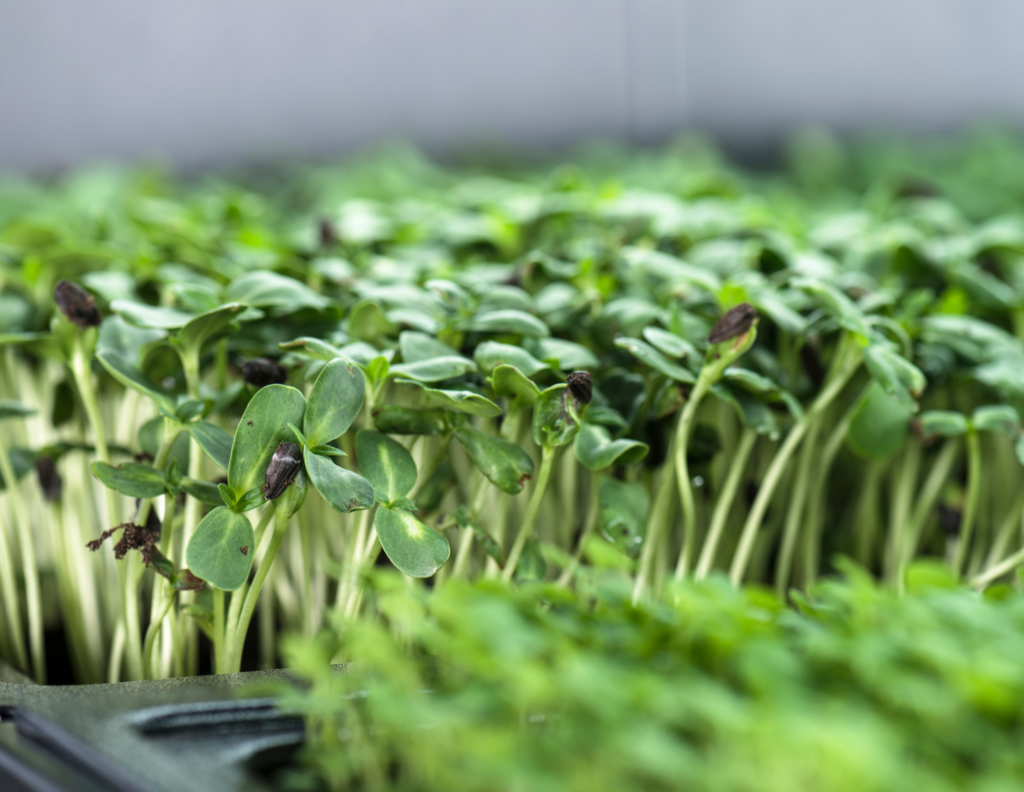
For those interested in more creative container options, hydroponic herb growing in mason jars is another small-space approach worth exploring — particularly useful for those without any outdoor space at all.
Watering and Feeding: The Simple Rules
Small containers dry out much faster than garden beds, so pots on a sunny windowsill or balcony will need checking every day or two in warm weather. The most reliable method is the finger test: push your finger an inch into the compost. If the top layer is dry but it’s still slightly moist below, it’s time to water. If it’s still damp throughout, leave it another day.
The one golden rule: water the compost, not the leaves. Wet foliage sitting overnight invites mould, particularly on basil. Always water at the base of the plant.
Mediterranean herbs (thyme, rosemary, oregano) prefer to dry out slightly between waterings and are far more likely to die from overwatering than from drought. Basil and parsley want evenly moist compost but not waterlogged roots. If you’re interested in setting up a self-watering system for busier weeks, self-watering plant pots can help maintain consistent moisture without daily attention.
Feeding and Encouraging Bushy Growth
Most herbs in containers need only a modest, dilute liquid feed every couple of weeks during active growth — particularly if they started out in the nutrient-depleted compost common in supermarket pots. Over-feeding pushes lush, soft growth that’s more susceptible to pests, so less really is more.
The harvest method matters more than most people realise: regular, light harvesting actively encourages bushier growth. Pinching off the growing tips of basil prevents it from flowering (which turns the leaves bitter), while regular snips of mint and chives encourage vigorous side-shoot production. The more you cut, within reason, the more you get.
Micro Herb Garden: Care at a Glance
The starter four — what they need, and how forgiving they are
| Herb | Sunlight | Watering | Pot Size | Difficulty | Key Tip |
|---|---|---|---|---|---|
|
Basil
Ocimum basilicum
|
6+ hrs
|
💧
💧
💧
Evenly moist
|
15–20 cm | Fussy | Pinch flower buds; rotate pot for even growth |
|
Mint
Mentha spp.
|
3–4 hrs
|
💧
💧
💧
Keep moist
|
15 cm (own pot!) | Easy | Always pot alone — it will swamp neighbours |
|
Thyme
Thymus vulgaris
|
4–6+ hrs
|
💧
💧
💧
Let it dry out
|
15 cm | Easy | Add grit to compost; overwatering is the main killer |
|
Chives
Allium schoenoprasum
|
3–4 hrs
|
💧
💧
💧
Moderate
|
15–20 cm | Easy | Cut to 2 cm to encourage regrowth; divide clumps yearly |
|
Rosemary
Salvia rosmarinus
|
6+ hrs
|
💧
💧
💧
Drought tolerant
|
20–25 cm | Medium | Needs very free-draining compost; avoid cold wet roots |
|
Parsley
Petroselinum crispum
|
3–5 hrs
|
💧
💧
💧
Evenly moist
|
20 cm (deep) | Medium | Needs depth for taproot; slow to establish from seed |
Indoor Herb Growing in the UK: What’s Different
UK growers face a specific challenge that American gardeners don’t always deal with: low winter light levels. Even south-facing windowsills in the UK can drop below the minimum light requirements for basil between October and March, which is why basil is really a spring-to-autumn herb for UK indoor growers.
The practical indoor temperature guidance is to keep rooms at around 18–24°C during the day, not dropping below around 13–16°C at night. Cold draughts from single-glazed windows or doors can cause sudden collapse in basil and coriander, even if the room feels warm. Moving pots back from the glass on cold nights is a simple preventative measure.
For year-round basil, a small grow light is the most reliable solution — there are affordable clip-on LED grow lights available online that make a real difference in the darker months. Alternatively, shift your indoor winter lineup toward shade-tolerant herbs like mint, chives, and parsley that are genuinely happy with lower light levels. More guidance on growing rosemary successfully indoors versus outdoors — including the specific challenges of UK winters — is covered in the growing rosemary indoors vs outdoors guide.
Micro Herb Gardens in the US: Zone-by-Zone Considerations
For US readers, the micro herb garden approach translates well, but a few regional differences are worth knowing.
In warmer climates (Zones 8–11, covering much of California, the South, and the Southwest), basil can be grown outdoors almost year-round. Thyme, rosemary, and oregano are perennials in these zones and can grow into quite substantial shrubs over time — container growing keeps them manageable and moveable. The main summer challenge in hot climates is heat stress, so afternoon shade can actually be beneficial during peak summer months.
In cooler climates (Zones 3–6, covering much of the Midwest, New England, and the Pacific Northwest), basil is a warm-season annual. Start it indoors 6–8 weeks before your last frost date and bring it outside only once temperatures are consistently above 50°F (10°C). Thyme, chives, and mint are cold-hardy and can often overwinter outdoors in containers with minimal protection.
The supermarket herb hack works identically on both sides of the Atlantic — US grocery stores sell the same overcrowded, overfertilised “living herb” pots. The split-and-repot technique applies equally well. In the US, look for pots of basil, cilantro, and parsley at Trader Joe’s, Whole Foods, or most major supermarkets for the same £1–2 equivalent price.
One US-specific tip: many American garden centres and hardware stores (including Home Depot and Lowe’s) sell individual herb starts in the spring for $2–4 each, which can be a cleaner starting point than the overcrowded supermarket pots if you want to skip the repotting step.
What to Do with Your Harvest: Quick Cook Ideas
The whole point of growing herbs at home is that they’re always there when you need them. A few snips of fresh thyme into scrambled eggs, a handful of basil torn over a bowl of pasta, some chives scattered over a baked potato — these small moments are what make growing your own genuinely worthwhile.
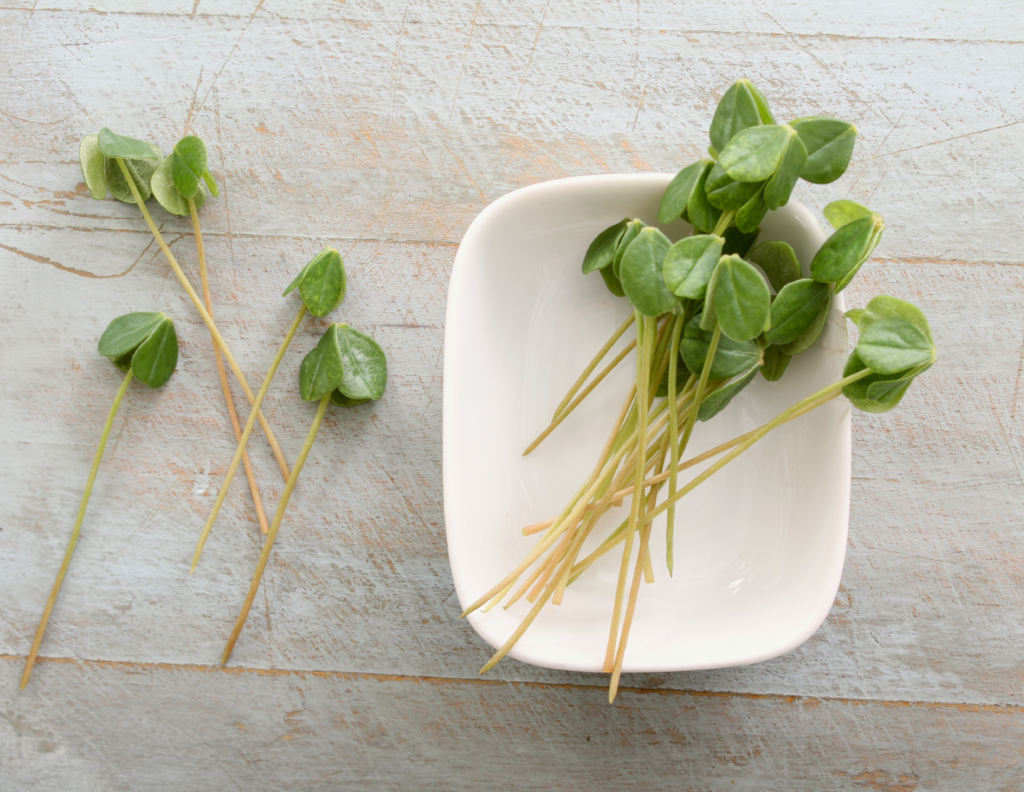
Some herbs are more versatile than others when it comes to immediate kitchen use. Basil infused olive oil is a simple, beautiful way to use a glut of basil and it keeps well in the fridge. Fresh mint pairs brilliantly with fruit salads and cold drinks — the orange lemonade with mint recipe is a perfect summer showcase. If your chives are producing well, snip them generously into the one-pot mushroom herb rice or the instant pot parsley potatoes for an easy weeknight upgrade.
When your herbs are producing faster than you can use them fresh, preserve the surplus. Freezing herbs in olive oil in ice cube trays is one of the most practical methods — and there’s a full rundown of the best techniques in the herb preservation guide.
Frequently Asked Questions
How many herbs can I grow on a windowsill? Realistically, 3–5 pots is the sweet spot for most windowsills. More than that and you’ll start crowding them, which reduces air circulation and increases the risk of mould and pests. Start with three and only add more once you have a feel for the watering and care rhythm.
Do herbs need special compost? A standard peat-free multipurpose compost works well for most culinary herbs. Mediterranean herbs like thyme, rosemary, and oregano benefit from a grittier mix — you can add around 20–30% horticultural grit or perlite to improve drainage. Avoid using heavy garden soil in pots; it compacts quickly and holds too much water.
Why does my basil keep dying? The most common causes are overwatering, cold temperatures, and insufficient light — usually in that order. Check that your pot has drainage holes, that you’re only watering when the top inch of compost is dry, and that the plant isn’t sitting in a cold draught. Supermarket basil is particularly prone to dying quickly because it’s been grown soft under glass and struggles to adapt to home conditions — splitting and repotting immediately after purchase dramatically improves survival rates.
Can I grow herbs indoors without a south-facing window? Yes, but you’ll need to adjust your selection. Mint, chives, parsley, and coriander are all shade-tolerant and will produce well on north or east-facing windows. For sun-hungry herbs like basil and thyme without a sunny window, a small LED grow light makes a significant difference.
When should I harvest to keep plants productive? Little and often is the key. Harvest no more than a third of the plant at a time, and always cut just above a leaf node (the point where leaves branch off the stem) rather than stripping leaves randomly. For basil, pinch out the central growing tip as soon as you see flower buds forming — this keeps the plant bushy and extends its productive life by weeks.
Do herbs grown indoors taste as good as outdoor-grown ones? In most cases, yes — and sometimes better, because they’re being harvested fresh rather than cut and then transported for days. The intensity of flavour in thyme, rosemary, and oregano is directly linked to how much sun they receive, so a sunny windowsill produces aromatic, flavourful herbs. Shade-grown mint and parsley may be slightly milder but are still significantly better than dried alternatives.
What’s the easiest herb to start with? Chives and mint are the most forgiving for absolute beginners — they tolerate some neglect, regrow quickly after harvesting, and are genuinely hard to kill. If you want to start with just one plant, mint in its own pot is a near-foolproof introduction to herb growing. For a complete guide to getting started with the first plants of the season, the early spring herbs guide covers timing and setup in detail.
Getting Started
The barrier to a micro herb garden is lower than almost any other form of growing. Three pots, three plants, a south-facing sill, and around £10 or $10 is genuinely all you need to start harvesting fresh herbs within a couple of weeks. The aesthetics are satisfying, the running costs are minimal, and the return — in flavour, convenience, and the quiet pleasure of growing something yourself — is entirely disproportionate to the effort.
Start with the 3-pot formula. Split your supermarket herbs if that’s your entry point. Give each pot its own drainage, its own watering schedule, and enough light for its needs. Then cook something with what you grow — even if it’s just scrambled eggs with fresh chives — and notice the difference.
For broader guidance on planning a productive herb growing setup, the herb garden planning guide is a useful next step once you’ve got your first pots established.
Continue Your Journey
- Herb Garden Planning: How to Design a Layout That Works — Plan your growing space from scratch with a structured approach to variety selection and placement.
- Growing Rosemary Indoors vs Outdoors — A detailed look at which conditions rosemary actually needs to thrive, and how to adapt them for small spaces.
- The Complete Chives Guide — Everything you need to know about growing, harvesting, and using one of the most reliable windowsill herbs.
- Herb Preservation: How to Store Fresh Herbs — Make the most of every harvest with practical storage and preservation techniques.
- Hydroponic Herb Growing in Mason Jars — A soil-free alternative for growing herbs indoors, ideal for renters or minimal-space setups.


