
Self-Watering Plant Pots for Herbs: Your Guide to Effortless Growing
If you’re tired of checking your herbs daily or coming home to wilted plants, self-watering pots might be the solution you’ve been looking for. These clever containers take the guesswork out of watering while helping your herbs thrive with minimal fuss.
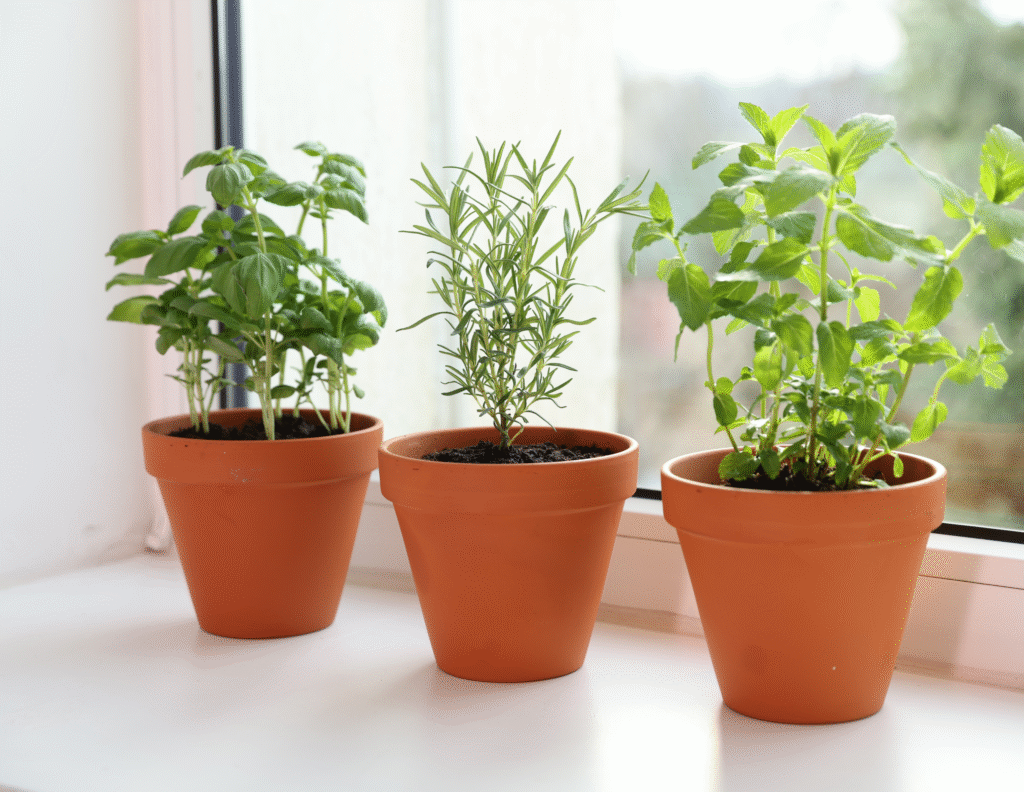
Whether you’re growing herbs on your kitchen windowsill or building a small container garden on your balcony, self-watering systems can transform your herb growing experience. They’re perfect for busy schedules, frequent travelers, or anyone who wants consistently healthy herbs without the daily commitment.
As an Amazon Associate I earn from qualifying purchases and sometimes recommend products from other sellers at no extra cost to you. For more details see my disclosure policy and privacy policy.
What Are Self-Watering Plant Pots?
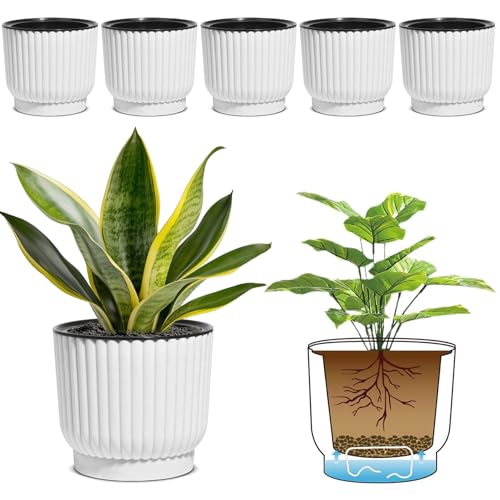
Self-watering pots use a reservoir system that allows plants to draw water as needed through capillary action. The pot has a water chamber at the bottom, separated from the soil by a barrier with wicking material that pulls moisture up to the roots. This creates a consistent moisture level that herbs can access whenever they need it.
Forged & Grown — The Shop
Handpicked products chosen to fit the way we cook, grow, and create. Nothing generic — every item earns its place.
Visit the Shop


Most self-watering containers include a water level indicator, so you know when to refill the reservoir. You typically need to water every 1-3 weeks depending on the pot size, plant type, and growing conditions. This is a huge time-saver compared to traditional pots that may need daily attention.

Why Self-Watering Pots Work So Well for Herbs
Self-watering systems address one of the biggest challenges in container herb gardening: maintaining consistent moisture. Herbs are sensitive to both overwatering and underwatering, and traditional pots can dry out quickly, especially indoors or during hot weather.
These pots provide steady hydration without waterlogging the soil. The roots can access moisture when needed while excess water drains away, preventing root rot. This balance is particularly beneficial for herbs like basil, parsley, and cilantro that prefer consistently moist conditions.
They reduce plant stress and promote healthier growth. When herbs receive steady moisture, they can focus energy on producing flavorful leaves rather than coping with drought stress. You’ll notice fuller plants with more robust leaf production, which means better harvests for your cooking.
Self-watering pots conserve water and retain nutrients better than traditional containers. Water doesn’t run straight through the drainage holes, taking dissolved nutrients with it. Instead, the closed reservoir system keeps both water and nutrients available to your plants.
Best Herbs for Self-Watering Containers
Not all herbs have the same water needs, so understanding which ones thrive in self-watering systems helps you choose the right plants for your setup.
Moisture-loving herbs are the perfect candidates for self-watering pots. Basil tops the list as it needs consistently moist soil and wilts dramatically when dry. Mint is another excellent choice that actually grows more vigorously with constant moisture access, though you’ll want to keep it contained since mint can be quite aggressive.
Soft-stemmed herbs benefit most from these systems. Parsley performs beautifully in self-watering containers, producing lush, deep green leaves throughout the growing season. Cilantro appreciates the steady moisture, especially if you’re harvesting leaves continuously. Chives tolerate constant moisture well and will reward you with fast growth and regular harvests.
Even some woody herbs can adapt to self-watering systems. Rosemary, thyme, and oregano are Mediterranean herbs that typically prefer drier conditions between waterings. However, they can adapt to self-watering pots if you manage the reservoir carefully and allow it to empty completely before refilling. This gives the soil time to dry out slightly, which these herbs prefer.
Other herbs that do well in self-watering containers include dill, lemongrass (which loves water), and various culinary herbs you use regularly in cooking. The key is matching the herb’s natural preferences with how you manage the water reservoir.
Choosing the Right Self-Watering Pot
The market offers numerous self-watering options, from budget-friendly designs to premium systems with advanced features. Here are five popular choices available on Amazon UK that work particularly well for herbs.
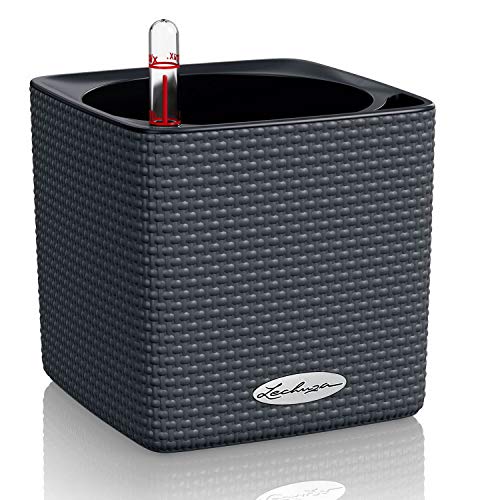
Lechuza Cube Plant Pot offers a sleek, German-made design with a water-level indicator that makes monitoring moisture levels foolproof. The textured finish looks great on kitchen counters, and the compact cube shape fits well in smaller spaces. The integrated water gauge tells you exactly when to refill, taking all the guesswork out of watering.
Cole & Mason Self-Watering Herb Keeper is specifically designed for keeping supermarket herbs alive and thriving. This metal and plastic unit holds three plants and uses a felt pad system that draws water from the bottom reservoir. It’s particularly useful if you buy fresh herbs from the grocery store and want to extend their life significantly beyond a few days in the fridge.
T4U Self Watering Pots 6-Pack gives you excellent value with six stackable pots in soothing green tones. These pots can keep herbs hydrated for up to three weeks, making them perfect for people who travel frequently. The mesh drainage holes prevent root rot while the bottom watering system maintains consistent moisture.
POTR Origami Eco Plant Pot stands out for its modern origami-inspired design and eco-friendly credentials made from recycled materials. These pots arrive flat and fold into shape, which means they can fit through your letterbox for convenient delivery. They’re stylish enough to gift and work well in contemporary kitchens.
Crocus Windowsill Plant Tray accommodates 5-6 herb pots at once using a capillary matting system. Made from recycled plastic, this low-maintenance option is ideal for creating a complete windowsill herb garden. The tray design keeps multiple herbs watered from one reservoir, which is incredibly convenient for growing several herbs together.
Setting Up Your Self-Watering Herb Garden
Getting started with self-watering pots is straightforward, but a few tips will help ensure success. First, use a high-quality potting mix rather than garden soil—potting mix is formulated to wick moisture effectively while still providing good drainage.
When planting, fill the pot according to the manufacturer’s instructions, making sure the wicking material (fabric, rope, or built-in system) extends from the reservoir into the soil. Plant your herbs at the same depth they were growing previously, and water from the top initially to settle the soil and establish the wicking action.
For the first week or two, water from the top until you see roots establishing and plants showing new growth. This helps the roots reach down toward the reservoir. After that, you can switch to filling only the reservoir and let the wicking system do its job.
Maintaining Your Self-Watering Herb Pots
Self-watering pots require less frequent watering but still need regular monitoring. Check the water level indicator weekly and refill when it drops to the minimum line. Most herbs will use more water during active growing periods and less during cooler months or when growth slows.
Every few months, flush the system by watering from the top. This prevents salt buildup from fertilizers and ensures the soil stays healthy. You’ll notice white crusty deposits on the soil surface if salts are accumulating, which is your signal to do a thorough flush.
Fertilize carefully in self-watering systems. Because water doesn’t drain away as much, nutrients stay concentrated in the soil. Use half-strength liquid fertilizer every 2-4 weeks during the growing season rather than full-strength applications. This prevents nutrient burn and keeps your herbs producing flavorful leaves.
For Mediterranean herbs like rosemary, thyme, and oregano in self-watering pots, allow the reservoir to empty completely between refills. This mimics the drier conditions these herbs prefer and prevents root problems from excessive moisture.
Common Questions About Self-Watering Herb Pots
Can I use self-watering pots indoors? Absolutely—these pots are ideal for indoor herb gardens. The controlled moisture system means no water draining onto windowsills, and your herbs get consistent care even when you’re not home. They work particularly well for growing herbs on kitchen windowsills where you want fresh herbs within arm’s reach of your cooking space.
Do self-watering pots prevent overwatering? Yes, when used correctly. The separation between the reservoir and soil prevents roots from sitting in water, which is the main cause of overwatering damage. The plants take only what they need through the wicking action.
How often do I need to refill the reservoir? This varies based on pot size, plant size, and environmental conditions, but most systems need refilling every 1-3 weeks. Smaller pots and actively growing plants need more frequent refills than larger pots with established plants.
Can I start seeds in self-watering pots? You can, though it’s often easier to start seeds in traditional pots and transplant seedlings into self-watering containers once they’ve developed a good root system. Seeds need consistent surface moisture for germination, which is easier to control with top watering.
What about drainage—do these pots need it? Self-watering pots are designed as closed systems with reservoirs, so they don’t need drainage holes like traditional pots. However, be careful not to overfill the reservoir beyond the maximum line, as this can create waterlogged conditions.
Making the Most of Your Self-Watering System
Self-watering pots shine when you’re growing herbs you use frequently in cooking. The consistent moisture promotes lush leaf production, so you’ll have plenty to harvest for homemade pesto, herbed cream cheese, or herb-infused oils.
Group herbs with similar water needs together. Keep your moisture-loving basil, parsley, and cilantro in one area, while placing thyme, rosemary, and oregano in another section where you can manage their reservoirs differently. This makes maintenance easier and ensures each herb gets the care it prefers.
Consider your light conditions when positioning self-watering pots. Most culinary herbs need 6-8 hours of direct sunlight daily. South-facing windowsills are ideal for sun-loving herbs, while partial shade works for parsley and mint. The self-watering system handles the moisture, but you still need to provide appropriate light.
Is a Self-Watering System Right for You?
Self-watering pots are particularly useful if you travel frequently, have a busy schedule, or simply want more flexibility in your daily routine. They’re excellent for beginners learning herb gardening since they eliminate the most common cause of herb failure—inconsistent watering.
These systems also make sense if you’re growing herbs in hot, dry conditions where traditional pots dry out too quickly. The reservoir provides a buffer against rapid moisture loss, keeping your herbs happier and healthier. They’re especially helpful for apartment dwellers who might not be able to water outdoor containers daily during summer heat.
The main consideration is initial cost—self-watering pots cost more upfront than traditional containers. However, the convenience and improved plant health often justify the investment, especially when you factor in replacing fewer dead plants and enjoying better harvests. The time saved on daily watering also adds up over the growing season.
Growing Fresh Herbs Made Easy
Self-watering pots remove much of the uncertainty from growing herbs at home. With consistent moisture, your basil, parsley, and other favorite herbs will reward you with abundant, flavorful leaves throughout the season. The minimal maintenance required means you can enjoy fresh herbs without feeling tied to a watering schedule.
Whether you’re setting up your first herb garden or looking to improve your existing setup, these clever containers offer a practical solution that works with your lifestyle. Choose pots sized appropriately for your space, match herbs to the system, and enjoy the satisfaction of harvesting your own fresh herbs whenever you need them for cooking.
Related Posts:
- Planning Your Perfect Herb Garden: The Complete Guide
- The Ultimate Guide to Basil: Cultivation, Uses, and Storage
- Beginners Herb Gardening Tools Guide
- Growing Your Own Cilantro: A Beginner’s Guide
What herbs are you planning to grow in self-watering pots? Share your experiences or questions in the comments below!


