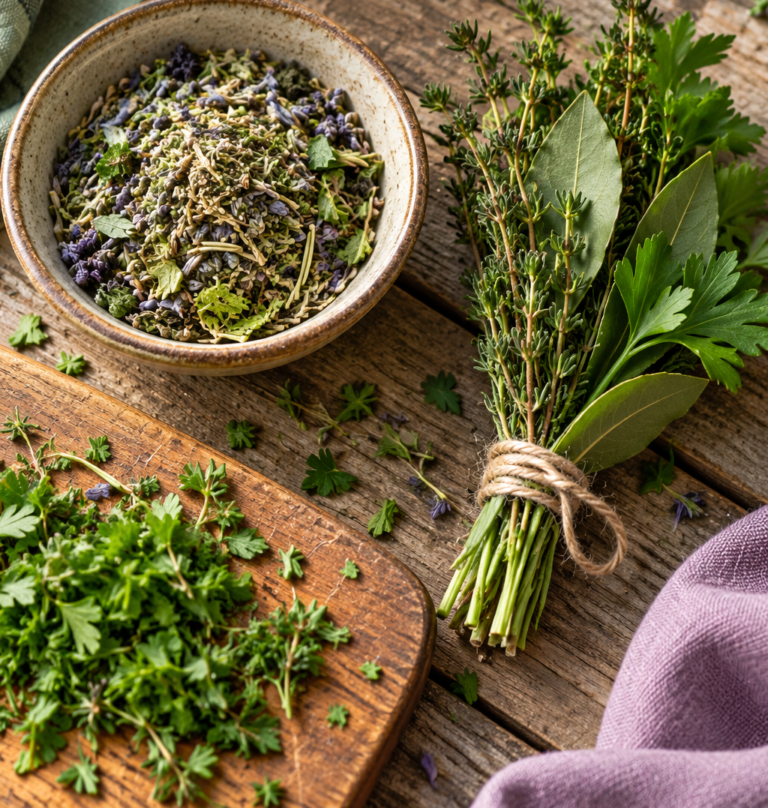
Essential Herbs and Spices: Elevate Every Kitchen Dish

Ever wonder why your favorite restaurant dish bursts with flavors that seem to dance on your palate? Herbs and spices are the magicians behind that sensory delight, transforming the mundane into culinary masterpieces. They’re not just flavor enhancers; they’re a bridge to a rich heritage of taste and tradition that has spiced up meals for centuries. Quality and variety are the spice rack’s best friends, and every chef’s secret to bringing dishes to life.
Imagine a world without the aromatic allure of cinnamon or the sharp zest of fresh basil. Historically, herbs and spices have not only served to please our taste buds but have been pivotal in trade, medicine, and even magic. They come with tales of adventure, from spice routes that crisscrossed continents to herb gardens that were the pride of medieval monasteries. They’re not just ingredients; they’re snippets of history, ready to enrich every simmering pot and sizzling pan in your kitchen.
As we whisk away from the past and into the present, it’s clear that these botanical treasures offer more than just fleeting flavors. They hold the keys to creating dishes that resonate with echoes of the past while offering a taste of the new. So, as we savor the aroma that fills the kitchen, let’s segue into the historical significance of herbs and spices. They’re not just part of our diet; they’re a testament to our ever-evolving relationship with food.
As an Amazon Associate I earn from qualifying purchases and sometimes recommend products from other sellers at no extra cost to you. For more details see my disclosure policy and privacy policy.
Forged & Grown — The Shop
Handpicked products chosen to fit the way we cook, grow, and create. Nothing generic — every item earns its place.
Visit the Shop


Historical Significance of Herbs and Spices
The Spice Trade and Cultural Exchange
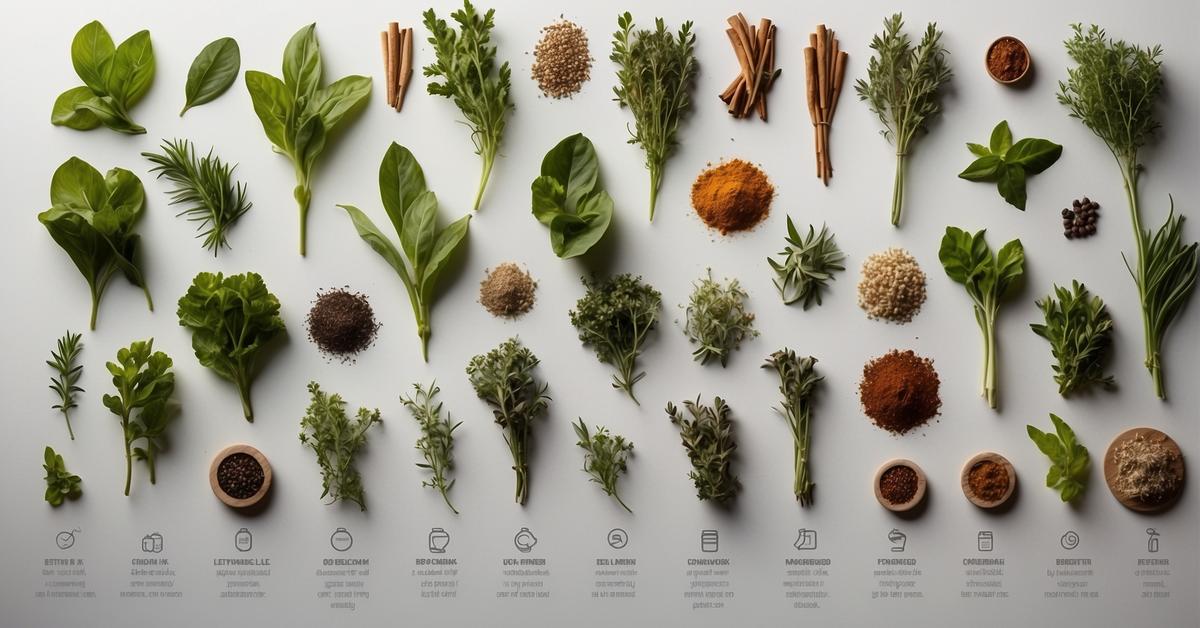
Spices, those coveted treasures of ancient trade, shaped our world. From the cinnamon that enticed traders to the far reaches of Sri Lanka, to the peppercorns that were once worth their weight in gold, these aromatic wonders ignited voyages across the globe. They didn’t just tantalize taste buds but also bridged cultures.
The Silk Road, an intricate network of passages, not only ferried goods but also ideas, merging distant worlds through shared flavors. Imagine the Roman feasts, where black pepper was as common as salt is today, or the medieval markets, bustling with the scents of nutmeg and cloves. These were the hot commodities that drove economies and empires alike.
- Impact on global cuisine: profound.
- Key spices: black pepper, cinnamon, cloves, nutmeg.
- Influence on cooking styles: transformative.
Ancient Uses of Herbs and Medicinal Benefits
Herbs were the original healers. Long before modern medicine, they served as the backbone of healthcare. Historical records are rich with tales of lavender used to disinfect wounds and chamomile brewed to calm nerves. These plants, stewards of ancient wisdom, still offer their benefits today.
Many herbs that seasoned our ancestors’ dishes were also their remedies. Garlic, for instance, was employed to battle the common cold, and its efficacy is supported by science even now. Such is the legacy of these green marvels.
- Medicinal uses of herbs: ancient and diverse.
- Wellness herbs: lavender, chamomile, garlic.
- Culinary and medicinal crossover: significant.
Culinary Revolutions and Spices
The discovery of new spices catalyzed culinary evolution. Chefs and home cooks alike began experimenting, and kitchens became laboratories for flavor. Spices like vanilla, once exotic, became staples, infusing sweets and beverages with its alluring aroma.
Historical figures, such as Auguste Escoffier, revolutionized cooking with their innovative use of spices. The mundane became magnificent as spices democratized, moving from the caravans of traders to the shelves of every kitchen.
- Culinary changes: revolutionary.
- Key figures: innovative and influential.
- Shift to staples: universal.
As we wrap up this aromatic journey through the annals of history, we glimpse the shelves lined with jars of herbs and spices. They beckon us, promising to elevate our next culinary creation. Each pinch, each teaspoon holds a story, a voyage, a revolution. And that’s the essence of cooking with these potent botanicals—it’s not just about taste, but about connecting with the rich tapestry of our past.
In the next article, we’ll turn our attention to the practical side of things. Crafting a collection of seasonings that will become your kitchen’s best allies, enhancing every dish with a sprinkle of history and a dash of flavor. Stay with us as we guide you through choosing the essentials for your very own spice armory.
Building Your Spice Rack
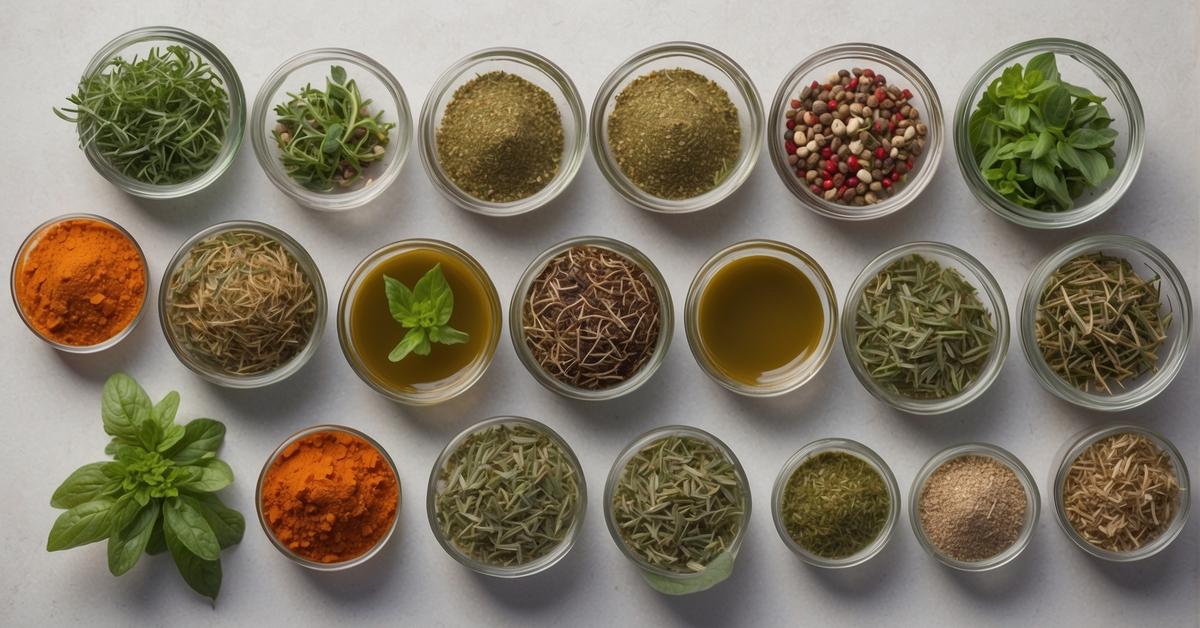
Kick off your culinary adventures with a well-stocked spice rack. It’s crucial, as even a pinch can transform a dish from mundane to mouthwatering. With countless spices out there, it’s easy to feel overwhelmed. Yet, fear not! I’ll guide you through essential spices that belong in every kitchen.
Essential Spices for Daily Cooking
- Salt: Not just your average seasoning; it enhances other flavors.
- Black Pepper: Ground on the spot, it brings a warm, earthy kick.
- Garlic Powder: Offers a convenient, mellow taste when fresh garlic isn’t on hand.
- Paprika: Sweet or smoky, it adds color and complexity.
- Cumin: Earthy and nutty, it’s a cornerstone in many cuisines.
- Cinnamon: Not just for sweets, it can add warmth to savory dishes too.
These spices form the backbone of countless recipes. For instance, black pepper, a true chameleon, can be found in 34% of savory recipes worldwide. When shopping, aim for freshness and consider sustainability. Storing them in a cool, dark spot extends their life. Check out this list of essential spices for further inspiration.
Herbs to Elevate Your Dishes
Fresh herbs can make or break a meal. They add a burst of flavor and an aromatic touch that dried herbs can’t always match. Here’s a rundown of versatile herbs and some tips on how to use them:
- Basil: Perfect for Italian dishes; use it fresh for a sweet, peppery flavor.
- Cilantro: Common in Mexican and Asian cuisines; offers a citrusy zing.
- Mint: Not just for desserts or teas, it can brighten up salads and sauces.
- Rosemary: Earthy and robust, it’s ideal for roasted meats and vegetables.
When using herbs, remember:
- Fresh vs. Dried: Fresh herbs are best added at the end of cooking, while dried ones can withstand longer cooking times.
- Pairings: Herbs can complement or contrast flavors. For instance, cilantro pairs well with spicy foods, balancing the heat.
Specialty Spices for International Flavors
Venturing into international dishes? It’s a chance to play with unique spices. Here’s a quick guide:
- Turmeric: A staple in Indian cooking, it brings a vibrant color and a warm, bitter taste.
- Cardamom: Sweet and spicy, it’s used in Scandinavian and Middle Eastern recipes.
- Saffron: The world’s most expensive spice, it offers a luxurious flavor and golden hue.
Sourcing these can be a quest in itself. Aim for reputable suppliers to ensure authenticity. For those curious about how to incorporate these exotic spices, feel the flavor with these tips.
Now, let’s look at a table that showcases the harmony of herbs and spices with various cuisines:
| Cuisine | Herbs | Spices |
|---|---|---|
| Italian | Basil, Oregano | Garlic Powder, Fennel |
| Mexican | Cilantro, Oregano | Cumin, Chili Powder |
| Indian | Cilantro, Mint | Turmeric, Garam Masala |
| Middle Eastern | Parsley, Mint | Sumac, Za’atar |
Embrace the diversity of flavors that herbs and spices bring to your dishes. With the right selection, even a simple meal can feel like a feast for the senses. As you continue to experiment with these flavor enhancers, you’ll find your kitchen routine enriched and your taste buds grateful.
And as you become more familiar with these essentials, you’ll naturally want to learn how to blend them into your cooking seamlessly. Whether it’s a robust stew or a light salad dressing, the right combination of seasonings can elevate your culinary creations to new heights. Keep an eye out for more tips on harmonizing these flavors in your next kitchen adventure.
Incorporating Herbs and Spices in Recipes
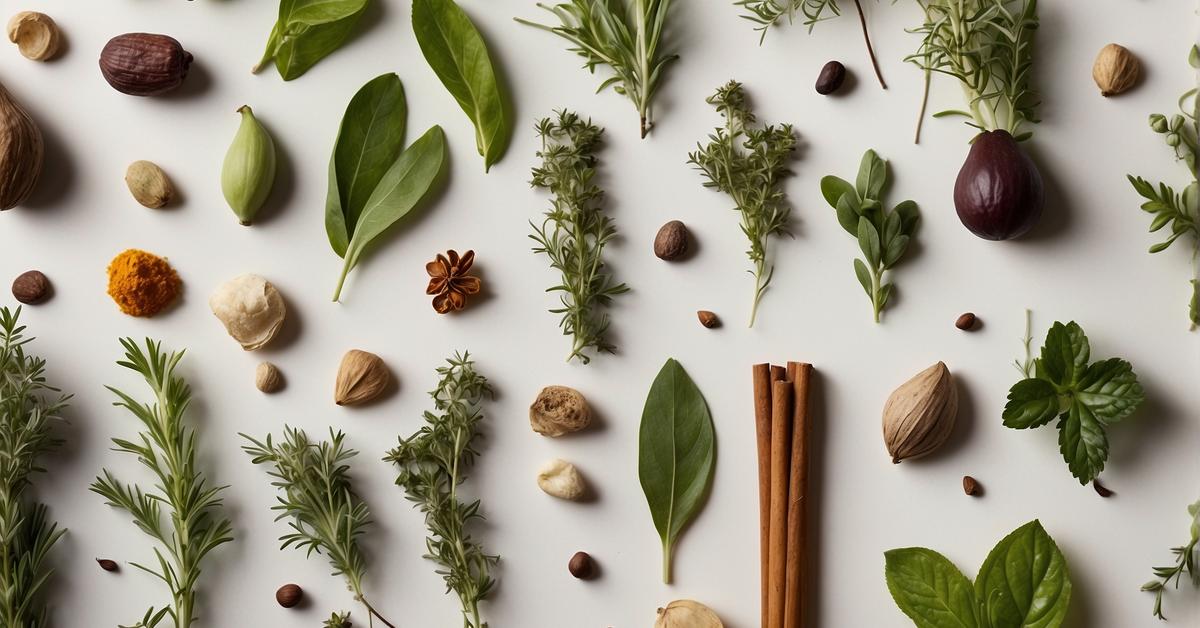
Elevating your dishes with herbs and spices can transform the mundane into the divine. Every dash of cinnamon or sprig of rosemary adds depth and complexity to your culinary creations. Let’s delve into the art of using these essential ingredients to boost the flavor profiles of your favorite dishes.
Creative Uses of Common Spices
Beyond the basics, spices can be the secret stars of your kitchen. Did you know, for instance, that cinnamon can add warmth to savory dishes, not just sweets? Or that the smoky essence of paprika elevates even the simplest of dishes?
- Innovative Cinnamon: Try sprinkling it over roasted carrots or into a beef stew.
- Paprika Power: Add it to your popcorn for a smoky twist or mix into homemade barbecue sauce.
Spices offer a world of possibilities, from layering flavors to creating unexpected taste sensations. For example, cardamom can add a surprising twist to coffee. And don’t shy away from experimenting with spice blends; they can be your ticket to global flavors from the comfort of your kitchen.
Herbal Infusions and Flavor Enhancements
Herbs, fresh or dried, can be potent flavor enhancers. Here are some tips for making the most of them:
- Create herb-infused oils by steeping basil or oregano in olive oil for a week.
- Use rosemary or thyme to craft aromatic butters, perfect for spreading on bread or melting over steamed veggies.
When you match the right herb with the right dish, magic happens. For instance, add fresh cilantro to a zesty salsa or blend mint into a refreshing yogurt sauce. Remember, less is often more with herbs; they should complement, not overwhelm, your dish.
Spice Blends and Homemade Mixes
There’s a certain satisfaction in creating your own spice mixes. It’s not only about freshness but also about personalizing flavors to your taste. Here’s a simple guide to get you started:
| Spice Blend | Ingredients | Suggested Use |
|---|---|---|
| Italian Seasoning | Basil, Oregano, Thyme, Rosemary | Pizzas, Pastas |
| Curry Powder | Turmeric, Cumin, Coriander, Ginger | Indian Dishes |
| Taco Seasoning | Chili Powder, Paprika, Cumin, Garlic Powder | Mexican Recipes |
Crafting these blends at home can be a delightful project, and the results are often superior to store-bought varieties. Plus, toasting spices before grinding them releases oils and increases their aromatic properties.
When you’re armed with a collection of essential herbs and spices, every meal becomes an opportunity for exploration. Whether you’re stirring a classic béchamel or grilling a steak, remember that these tiny treasures can elevate your dish from good to unforgettable.
As we wrap up this culinary adventure, keep in mind the journey doesn’t end here. There’s a world of taste just waiting to be discovered—think of the zest herbs and spices can bring, and imagine the healthful, flavorful impacts they can have on your meals. Take this knowledge and infuse it into your next kitchen endeavor, where the essence of herbs and spices continues to enhance not only the flavor but also the nutritional value of the foods we cherish.
Health Benefits and Nutritional Value
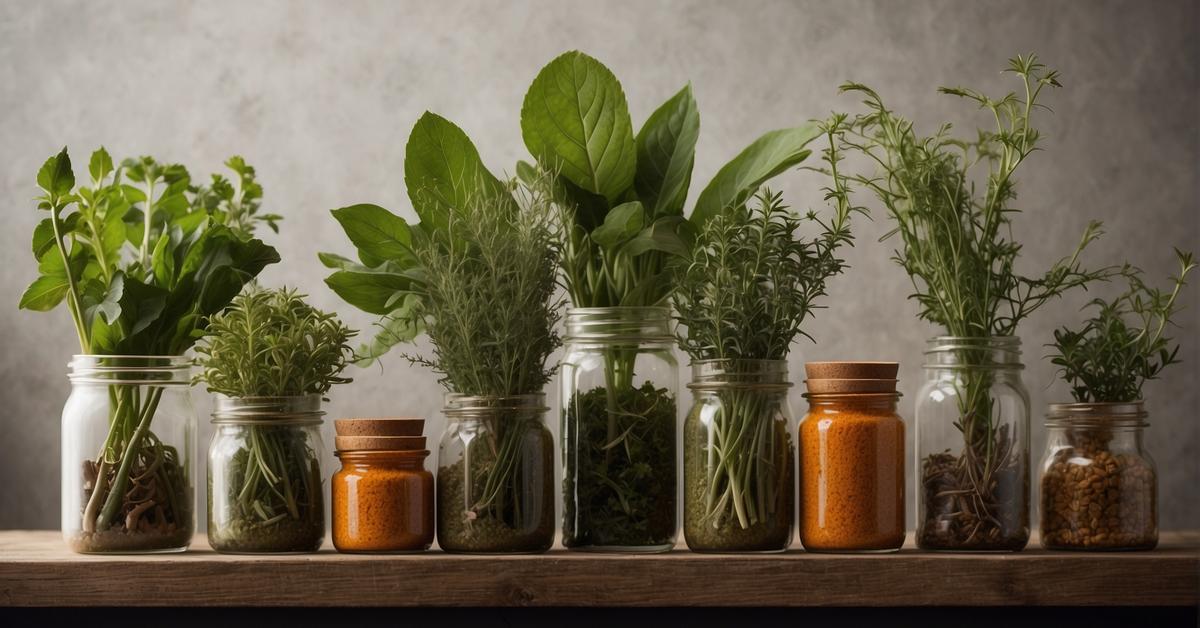
Delving into the realm of essential herbs and spices, one can’t ignore their impressive health perks and nutritional offerings. These tiny yet mighty kitchen allies not only infuse dishes with flavor but also boast remarkable wellness benefits.
Antioxidant Properties and Wellness
Herbs and spices are nature’s gift, teeming with antioxidants. Spices like turmeric and cinnamon are renowned for their high antioxidant content. These compounds help combat oxidative stress, which is linked to a multitude of health issues. For instance, just a teaspoon of ground cinnamon can offer as much antioxidant potency as half a cup of blueberries.
Incorporating such spices into your diet could support your overall health. Spices like clove and oregano pack a punch in the antioxidant department, making them valuable additions to any meal. A diet rich in antioxidants from a variety of spices can contribute to a robust immune system and may even fend off chronic diseases.
Digestive Health and Spices
Spices don’t just tantalize your taste buds; they’re also friends to your gut. Fennel seeds, for example, are celebrated for easing digestive woes. Integrating them into daily meals could offer relief from bloating and gas. Similarly, ginger, with its anti-inflammatory properties, can soothe an upset stomach.
A dash of these spices can enhance not only the flavor but also the digestibility of your meals. It’s wise to start with small amounts and adjust as your palate and digestive system acclimate.
Herbal Teas and Natural Remedies
Herbs have been steeped in hot water for centuries, creating calming teas that offer more than just comfort. Peppermint and chamomile are popular choices for their soothing effects. These herbal teas can aid in digestion, relieve tension, and promote a peaceful slumber.
Recipes for these teas often include a mix of herbs, each bringing its unique benefits. For example, a blend combining peppermint, ginger, and a hint of licorice can create a tea that not only tastes delightful but also supports digestive health.
Incorporating these herbal teas into your daily routine can offer a natural approach to managing everyday health concerns. From easing a sore throat to calming nerves, the power of herbs in your teacup shouldn’t be underestimated.
As we consider the numerous advantages of herbs and spices, one can’t help but be inspired to integrate these powerful ingredients into everyday life. Whether it’s a sprinkle of cinnamon on your morning oatmeal or a cup of calming chamomile tea in the evening, these small steps can lead to significant health benefits. And as we savor the flavors and reap the rewards, our culinary journey naturally evolves, leading us towards nurturing our own herbal havens right in our backyards.
Growing Your Own Herbs
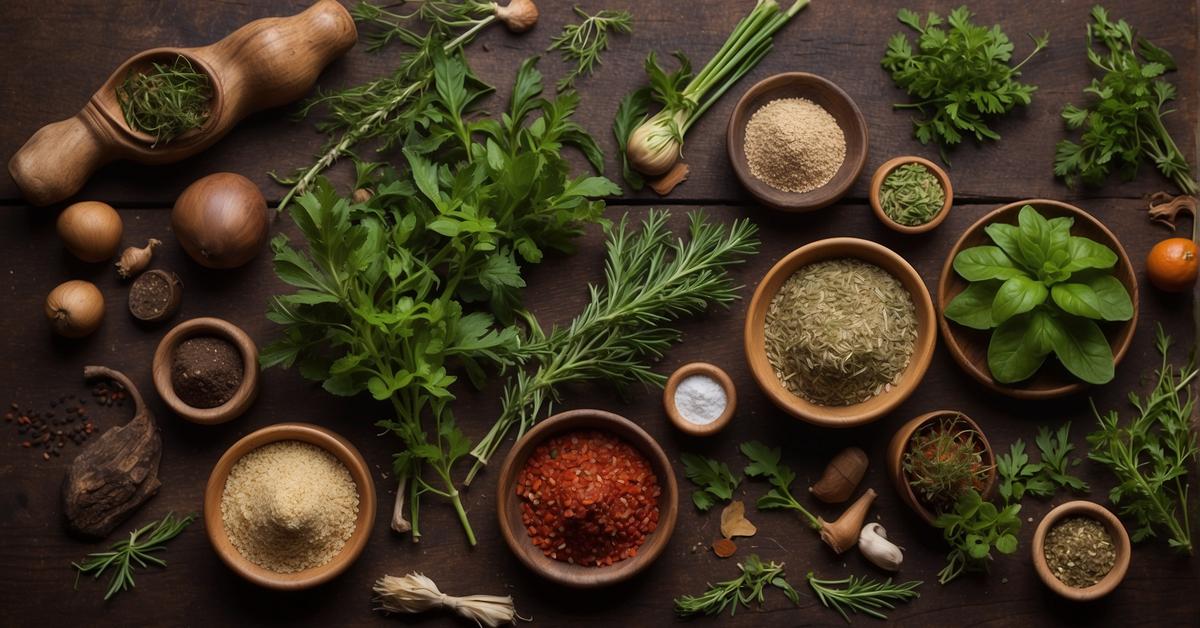
Starting a kitchen herb garden is a stellar move for any culinary artist or green thumb. Picture your kitchen windowsill brimming with fragrant herbs like basil, thyme, and oregano, ready to enhance your dishes. The perks? Flavors are fresh, and you can snip what you need, reducing waste. Let’s dig into the dirt and set up your own herb haven.
Starting a Kitchen Herb Garden
- Selecting the right spot: A sunny windowsill or balcony is perfect.
- Picking your herbs: Start with easy-to-grow options such as basil, mint, and parsley.
- Container choices: Ensure pots have drainage holes to prevent water-logged roots.
Sustainable Practices in Herb Cultivation
- Go organic: Use natural compost instead of synthetic fertilizers.
- Encourage helpful insects: Attract pollinators and pest predators by planting diverse species.
- Conserve water: Implement a drip irrigation system for efficient watering.
Harvesting and Preserving Your Herbs
- When to harvest: Snip herbs in the morning when their essential oils peak.
- Drying methods: Hang bunches upside-down in a cool, dry place or use a dehydrator.
- Freezing tips: Chop herbs, mix with water or oil, and freeze in ice cube trays for later use.
And now, let’s think about spicing up your culinary creations…
Transition seamlessly into an array of spices that can elevate your kitchen repertoire. From the zing of ginger to the warmth of cinnamon, these are more than just flavor enhancers. They’re the secret arsenal of any kitchen maven. With the right blend, your dishes will sing with unrivaled gusto.
Conclusion: Spice Up Your Life
You know, it’s kind of magical how a pinch of rosemary can whisk your senses away to a sunny Mediterranean coast, or a sprinkle of cilantro can brighten up a dish like a burst of sunshine. At Green Herb Guru, we’re all about that transformative power of herbs and spices. They’re not just add-ons; they’re the main event, turning the ordinary into something extraordinary. Our digital shelves are stocked with wisdom and wonder, all dedicated to the leafy splendors that await your discovery.
Before we part ways, remember this: herbs and spices hold secrets to flavors untold and wellness untapped. Whether you’re a green-fingered gardener, a wizard in the kitchen, or a DIY maestro, we’ve got the know-how you crave. So why not take your taste buds on an adventure?
Experiment with the essential herbs and spices we’ve lovingly detailed. Swing by our growing tips, mix up a recipe, or try your hand at a fragrant DIY project. And hey, if you whip up something wonderful, we’re all ears—or should we say, taste buds? Share your herbal concoctions and stories with us, and let’s grow this community of flavor explorers together. Sign up for our newsletter and don’t miss a beat in the pulsing heart of the herb universe.
Frequently Asked Questions about Essential Herbs and Spices
What are the most essential herbs and spices everyone should have in their kitchen?
The most essential herbs and spices can vary depending on cultural cuisines and personal taste, but some commonly used ones include salt, black pepper, garlic powder, cumin, oregano, basil, thyme, cinnamon, chili powder, and paprika. These provide a good foundation for a variety of dishes.
How should herbs and spices be stored to maintain their freshness?
Herbs and spices should be stored in airtight containers away from heat, moisture, and direct sunlight. It’s best to keep them in a cool, dark place like a pantry or a cupboard. Avoid storing them above the stove or in the refrigerator, as these places can degrade their quality faster.
Can you substitute dried herbs for fresh, and if so, what’s the conversion ratio?
Yes, you can substitute dried herbs for fresh. The general conversion ratio is 1 tablespoon of fresh herbs to 1 teaspoon of dried herbs. Dried herbs are more concentrated in flavor, so you need less when substituting.
What’s the shelf life of dried herbs and spices?
Dried herbs and spices do not spoil easily, but they do lose potency over time. Most ground spices can last for about 2-3 years, while whole spices can last up to 4 years. Dried herbs are best used within 1-3 years. It’s important to check for changes in color, aroma, and flavor to determine if they’re still good to use.
Are there any health benefits associated with using herbs and spices?
Yes, many herbs and spices have health benefits due to their antioxidant, anti-inflammatory, and antimicrobial properties. For example, turmeric contains curcumin, which is known for its anti-inflammatory effects, while cinnamon can help regulate blood sugar levels.
How can I make my own spice blends at home?
Making your own spice blends at home is simple. Start by choosing spices that complement each other. Common blends include combinations like cumin, coriander, and chili powder for a taco seasoning, or cinnamon, nutmeg, and clove for a pumpkin pie spice. Measure out the desired amounts, mix them together in a bowl, and store in an airtight container.
What’s the difference between herbs and spices?
Herbs are the leaves of plants that are used for flavoring or as a garnish. They can be used fresh or dried. Spices, on the other hand, are usually derived from other parts of the plant such as seeds, berries, bark, roots, and fruits, and are typically used in a dried form.
How do I know when to add herbs and spices during cooking?
In general, dried herbs and spices are added at the beginning of the cooking process to allow their flavors to infuse the dish. Fresh herbs are often added towards the end of cooking or as a garnish to preserve their delicate flavors and textures. Some spices may also be toasted before use to enhance their flavor.
Can herbs and spices go bad or become harmful to consume?
Herbs and spices can lose flavor over time, but they rarely become harmful to consume if they have been stored properly. However, if they’ve been exposed to moisture and have developed mold, they should be discarded.
What are some tips for using herbs and spices to enhance the flavor of food without adding extra salt or fat?
To enhance the flavor of food without adding extra salt or fat, experiment with a variety of herbs and spices. Use lemon zest, garlic, and onion powder for a flavor boost. Try toasting spices before using them to intensify their taste. Additionally, use spice blends, vinegar, and citrus juices to add depth to your dishes without additional salt or fat.