How To Make Herbal Bath Salts: Secret Revealed!
Have you ever longed for that serene, spa-like sanctuary right in your own abode? Look no further, for you’re about to discover the secrets to creating your own herbal bath salts. Such a concoction is not only simple to whip up but also brimming with benefits that soothe both body and spirit. Let’s unveil the steps to transform your bath into a haven of tranquility.
Envision a world where the pure essence of nature’s herbs can be harnessed to elevate your daily rituals. Herbal bath salts don’t just offer a fragrance that delights the senses; they are a blend of nature’s gifts, offering therapeutic properties that have been celebrated through the ages. Each grain carries the potential to relax tense muscles, promote restful sleep, and even improve skin health. In crafting these salts, you’ll be treading a path well-worn by generations who have sought the healing embrace of herbal remedies.
As we journey forward, you’ll learn not only how to mix the perfect bath salt recipe but also why each ingredient is a vital thread in the tapestry of this ancient practice. Ready your senses to be enveloped by aromatic bliss and prepare to emerge from your bath feeling rejuvenated. Next, we will delve into the essence of herbal bath salts and the myriad of benefits they bestow upon those who indulge in their use.
As an Amazon Associate I earn from qualifying purchases and sometimes recommend products from other sellers at no extra cost to you. For more details see my disclosure policy and privacy policy.
Forged & Grown — The Shop
Handpicked products chosen to fit the way we cook, grow, and create. Nothing generic — every item earns its place.
Visit the Shop


What Are Herbal Bath Salts and Their Benefits?
Imagine a long day unwinding into a tranquil evening. You’ve been looking forward to a soothing soak in the tub. This is where herbal bath salts come in, your secret to a spa-like experience at home. But what exactly are these fragrant crystals?
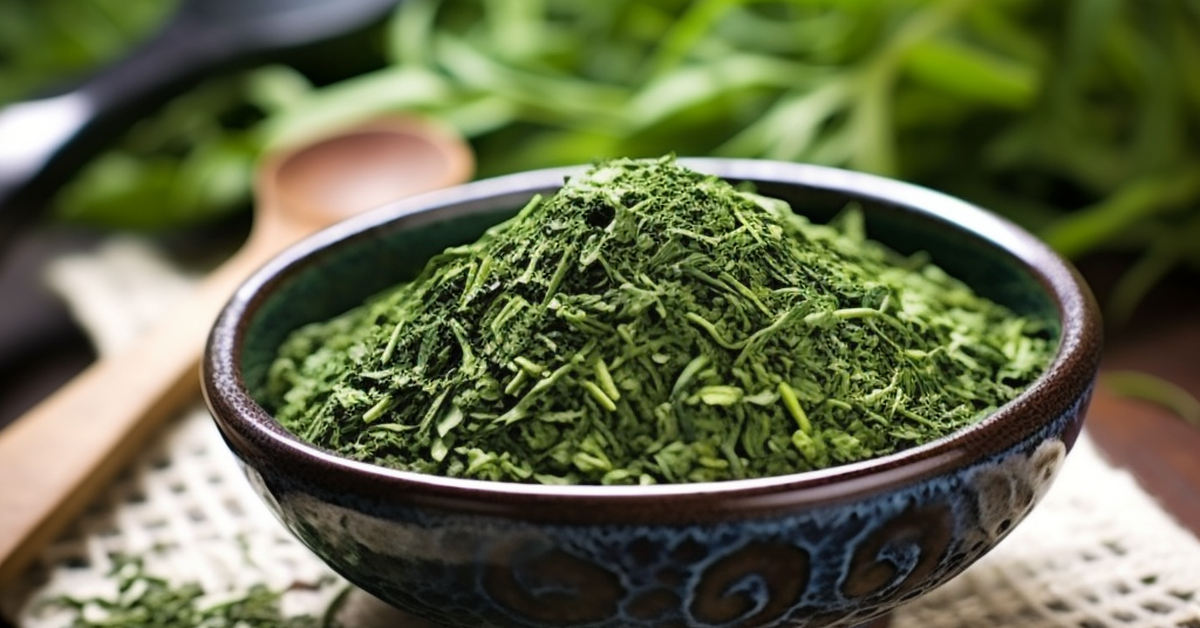
Herbal bath salts are a blend of sea salt, Epsom salt, or other mineral-rich salts with a mix of dried herbs and essential oils. Each ingredient is chosen for its natural healing properties. When you add these salts to your bathwater, they work magic. They soothe sore muscles, calm the mind, and promote a restful night’s sleep.
The benefits are more than skin-deep. Herbal bath salts can help detoxify the body. They draw out impurities and ease stress. Regular bath salt users often report improved skin hydration and reduced inflammation. Quite different from regular bath salts, these herbal varieties are packed with nature’s goodness. You’re not just getting clean; you’re indulging in therapy.
Here’s a glimpse at what makes these salts special:
- Epsom salt relaxes muscles and eases pain.
- Sea salt can help cleanse and purify the skin.
- Herbs like lavender calm the mind, while rosemary can improve circulation.
Table: Herbal Bath Salt Ingredients and Benefits
| Ingredient | Benefit |
|---|---|
| Epsom Salt | Muscle Relaxation |
| Sea Salt | Skin Purification |
| Lavender | Stress Relief |
| Rosemary | Improved Circulation |
| Peppermint | Energizing Scent |
Now, let’s consider the stats. A study shows that Epsom salt, rich in magnesium, can replenish levels in the body through skin absorption. The ratio of individuals who experience improved sleep after a salt bath is notable.
If you’re curious about making your own herbal bath salts, you’re in luck. With simple recipes and guides, you can create a personalized blend to cater to your needs.
- Gather your favorite herbs, perhaps some rosemary from your garden or soothing chamomile.
- Choose your base salts for their mineral content and texture.
- Decide on essential oils that not only smell divine but bring their own set of benefits.
Creating your own herbal bath salts is a breeze, and using them is even easier. Just sprinkle a generous amount into warm bathwater. Stir to dissolve, then step in. As the aroma fills the air, let the tension melt away.
For seasoned herb enthusiasts and beginners alike, Green Herb Guru has all you need. Find growing tips for your herb garden or learn about different herbs and their uses. Maybe you’ll even discover a new favorite herb to include in your next bath salt mix.
As you soak in the fragrant waters, consider how you can further enhance your relaxation ritual. Perhaps there’s a particular type of salt that could offer even more benefits. With the right selection, your next bath could be an even more luxurious experience.
Choosing Your Salts: Types and Properties
When it comes to crafting your own soothing herbal bath salts, the foundation lies in selecting the right kind of salt. Each type offers unique benefits for relaxation and wellness.
Epsom Salt and Its Muscle-Relaxing Benefits
Epsom salt, a household name, is rich in magnesium. This mineral is known for easing muscle aches. It’s fantastic after a long day or a tough workout. Soaking in an Epsom salt bath can help to reduce soreness and promote relaxation.
Dead Sea Salt and Its Skin-Nourishing Minerals
Dead Sea salt is treasured for its skin-friendly minerals like magnesium, calcium, and potassium. These minerals can support skin hydration and reduce roughness. They can turn a simple bath into a spa-like experience, nourishing your skin in the process.
Himalayan Pink Salt and Its Detoxifying Qualities
Himalayan pink salt isn’t just pretty to look at. It’s believed to help detoxify the body. Its crystals contain minerals that may help to cleanse and purify.
| Salt Type | Benefit |
|---|---|
| Epsom Salt | Eases muscle aches, boosts relaxation |
| Dead Sea Salt | Hydrates skin, reduces roughness |
| Himalayan Salt | Detoxifies, contains numerous minerals |
When you’re ready to mix up your herbal bath salts, think about what your body needs. Maybe you’re looking to unwind or perhaps you want to pamper your skin. Your choice of salt can help you target those needs.
As we blend these natural salts with fragrant herbs and essential oils, we unlock their potential. Remember, the type of salt you choose sets the stage for your bath time retreat.
For more on growing your own herbs to use in homemade bath salts, check out our guide on growing herbs. It’s packed with tips that’ll have your garden flourishing in no time.
Now, let’s stir in some aromatic herbs and oils to create a bath time concoction that soothes both body and spirit. You’ll soon see how these elements combine to transform your daily dip into a rejuvenating ritual.
Selecting Herbs and Essential Oils
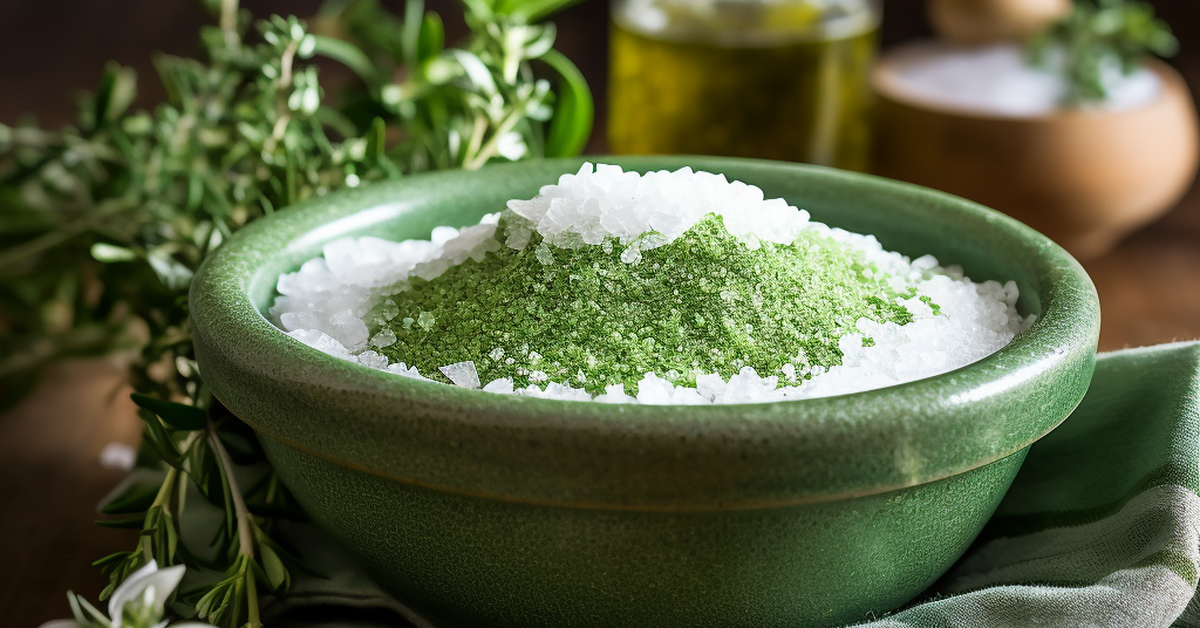
Selecting the right herbs and essential oils is a crucial step in making herbal bath salts that will soothe your body and delight your senses. Here’s a quick guide on how to choose the best ones for that perfect, relaxing soak.
Common Herbs for Bath Salts and Their Effects
Lavender: Known for its calming properties, lavender can help reduce stress and promote a good night’s sleep. Eucalyptus: This herb is a boon for respiratory health and can provide relief from congestion. Chamomile: With its anti-inflammatory properties, chamomile can soothe skin irritations and promote relaxation. Peppermint: The cooling effect of peppermint is refreshing and can help relieve tension headaches.
Essential Oils for Aromatherapy and Skin Benefits
Tea Tree Oil: It boasts antiseptic qualities, which can help in healing skin blemishes. Rose Oil: Ideal for dry skin, rose oil helps to hydrate and has a pleasant fragrance. Frankincense Oil: Known to reduce stress and anxiety, frankincense also promotes healthy skin.
Tips for Pairing Herbs and Oils for Synergy
Consider the desired outcome: Pair herbs and oils that complement each other for stress relief, energy boosting, or relaxation. Think about scent combinations: Some scents combine better than others. Lavender and chamomile offer a soothing experience. Test for skin sensitivity: Always do a patch test with essential oils to ensure they don’t irritate your skin.
| Herb | Benefit | Suggested Essential Oil Pairing |
|---|---|---|
| Lavender | Calming, sleep-inducing | Chamomile, Rose |
| Eucalyptus | Respiratory health | Peppermint, Tea Tree |
| Chamomile | Skin soothing, relaxing | Lavender, Rose |
| Peppermint | Headache relief, refreshing | Eucalyptus, Spearmint |
Creating your own blend of herbal bath salts can be a delightful experience. With a good grasp of which herbs and oils work best together, you’re ready to create a concoction that’s uniquely yours.
One quick tip: keep the usage of essential oils to a safe level—usually a few drops are sufficient. Overuse can lead to skin irritation or overpowering scents.
For more in-depth guidance, consider exploring resources like this comprehensive guide on making homemade herbal bath salts.
Now, imagine sinking into a warm bath, the air filled with the gentle scent of your chosen herbs and oils, each one selected to cater to your relaxation and health needs. Next time, we’ll walk through the process of turning these wonderful ingredients into your own homemade bath salts, ensuring you can enjoy the full therapeutic benefits right in the comfort of your own tub.
Crafting Your Herbal Bath Salts: A Step-by-Step Guide
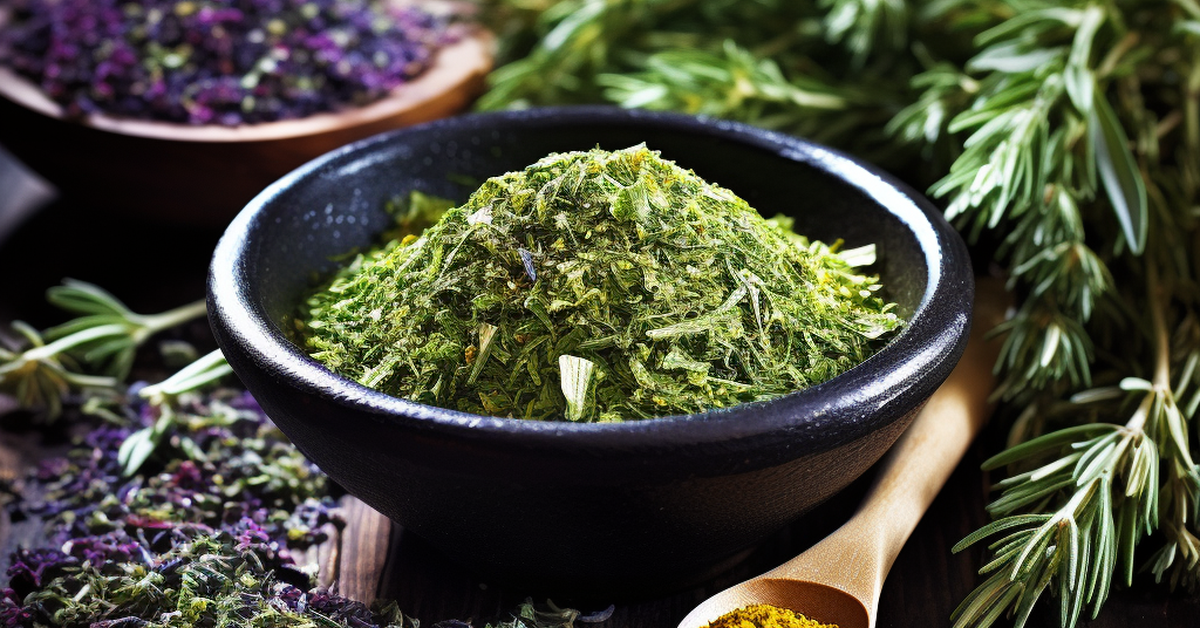
Creating your own herbal bath salts is not just a fun DIY project; it’s a chance to infuse a touch of nature’s calm into your daily routine. Let’s get started with what you’ll need and how to mix your ingredients for the perfect relaxation blend.
Necessary Equipment and Materials
- Mixing bowl
- Spoon or whisk for stirring
- Jars or containers for storage
- Epsom salt or sea salt
- Baking soda (optional for skin softening)
- Dried herbs of your choice (e.g., lavender, rosemary, chamomile)
- Essential oils (optional for added aroma)
- Food coloring (optional for visual appeal)
Proportions and Mixing Techniques
| Ingredient | Amount |
|---|---|
| Salt | 1 cup |
| Baking Soda | 1/4 cup (optional) |
| Dried Herbs | 1-2 tbsp |
| Essential Oils | 5-10 drops (optional) |
- Begin with one cup of Epsom salt or sea salt in your mixing bowl. These salts are known for their muscle-relaxing properties.
- If you’re aiming for softer skin, consider adding a quarter cup of baking soda.
- Next, choose your herbs. Whether it’s the calming scent of lavender or the invigorating aroma of peppermint, add one to two tablespoons to your mix.
- For an aromatic boost, add five to ten drops of your chosen essential oils.
- If you fancy, a few drops of food coloring can add a visual element to your bath salts.
Customizing Your Recipe for Specific Needs
- For relaxation, consider lavender or chamomile.
- Peppermint or eucalyptus can reinvigorate and help with clarity.
- Rosemary might assist with focus and memory.
Remember to mix your salts and other components well. Ensure the herbs and oils are evenly distributed for a consistent bathing experience.
Tips for a Perfect Bath Salt Blend
- Choose high-quality herbs for the best effect. Your skin and senses will thank you.
- Keep it natural. Avoid any synthetic fragrances or chemicals.
- Always patch test if you have sensitive skin. This ensures you won’t have an adverse reaction.
Now, imagine soaking in a warm bath, the air filled with the scent of your handcrafted herbal concoction. With these simple steps, you can create a personalized spa experience right at home.
As you dry off, feeling the herbs’ work on your refreshed skin, consider the next steps in your herbal adventure. Perhaps blending herbs not just for the bath but also for a sense of harmony throughout your living space. Why not consider combining these elements for a truly balanced atmosphere?
If you’re intrigued by the potential of herbs, take a moment to subscribe to our newsletter to get weekly updates on growing tips, recipes, and DIY projects.
Lastly, for those looking to delve even further into the world of herbs, why not check out our guide on hydroponic herb growing? It’s a fantastic way to bring your gardening indoors, no matter the season.
The Art of Blending: Creating a Harmonious Mix
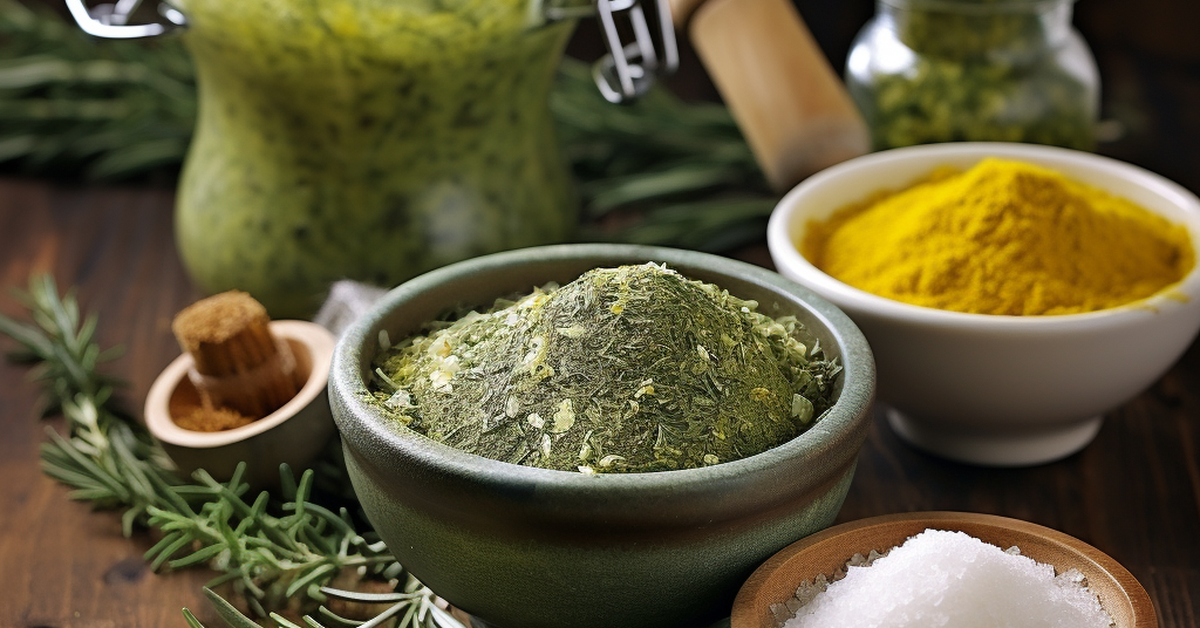
When you set out to create herbal bath salts, you’re crafting more than just a bath additive. You’re mixing a potion that can transform your bath into a sanctuary of tranquility. It’s all about finding the right balance of scents and therapeutic properties to soothe your senses and nourish your skin.
Visual appeal is just as key. When you peer into the jar, the sight of vibrant botanicals should delight your eyes. Begin with a base of Epsom or sea salts, and then weave in dried herbs like lavender, rose petals, or chamomile. These herbs not only offer a feast for the eyes but also bring their own unique benefits to your bath.
Testing and adjusting your blend is part art, part science. Start small, with a few select herbs, and take notes on the aromas and effects. A dash more of rosemary might sharpen the fragrance, or a sprinkle of mint could add a fresh twist. It’s a personal journey to the perfect mix.
Now, as you consider your own blend, here’s a simple table to guide you:
| Ingredient | Amount | Benefit |
|---|---|---|
| Epsom Salt | 1 cup | Muscle relaxation |
| Sea Salt | 1/2 cup | Skin health |
| Baking Soda | 1/4 cup | Softening agent |
| Dried Lavender | 2 Tbsp | Calming scent |
| Dried Rosemary | 1 Tbsp | Mental clarity |
| Essential Oil | 5-10 drops | Intensify fragrance |
Remember, this table is just a starting point. Feel free to tweak the amounts to suit your preferences.
- Balancing scents and therapeutic properties
- Combine salts with herbs like lavender for calmness.
- Infuse the mix with essential oils for added aroma.
- Visual appeal with botanicals
- Choose colorful herbs like calendula or rose petals.
- Layer your ingredients for a visually striking effect.
- Testing and adjusting your blend
- Use small quantities to test scent combinations.
- Adjust based on your aromatic preference and desired benefits.
Once you’ve crafted your blend, it’s time to enjoy the fruits of your labor. Draw a warm bath, sprinkle in your herbal bath salts, and slide into the water. Let the stress of the day melt away as the herbs work their magic, and your bathroom transforms into a spa-like retreat.
As you emerge from your bath, feeling refreshed and rejuvenated, you might start thinking of ways to store this delightful creation or possibly even share it with friends. Maybe you’ll think about ways to keep the salts fresh, or consider cute jars that could make charming gifts. Whatever you decide, the experience of creating something so nurturing is sure to inspire future herbal endeavors.
For more insights on herbs and their many uses, feel free to check out our guide on growing herbs. It’s filled with helpful tips to nurture your green thumb.
Remember, subscribing to our newsletter will keep you in the loop with weekly updates on growing tips, recipes, and DIY projects. This way, you’ll never miss out on the latest from the Green Herb Guru community.
Storing and Using Your Herbal Bath Salts

Creating your own herbal bath salts is a rewarding endeavor. Once you’ve crafted these aromatic treasures, proper storage is key. You’ll want to preserve their freshness and potency. To do so, stash your bath salts in a dry area away from direct sunlight. Airtight glass jars are ideal for this purpose. Remember, moisture can spoil your salts, so keep them well sealed.
When it’s time to unwind, using your handmade bath salts is simple. Sprinkle a generous amount under running water as you fill your tub. The warmth will release the herbs’ essential oils, enveloping you in a soothing aroma. For safety, always patch test any bath product before enjoying a full soak, especially if you have sensitive skin.
Here’s a quick list to keep in mind: – Airtight storage extends your salts’ life – Dry, shaded spots prevent degradation – Generous scoops maximize benefits in the tub – Patch tests safeguard against skin reactions
Let’s dive into some safety considerations and best practices: – Always label your jars with ingredients – If you have a health condition, consult a healthcare provider before use – Keep your creations out of children’s reach – Discard any salts that show signs of spoilage
Here’s a handy table to help you remember the dos and don’ts:
| Do This | Avoid This |
|---|---|
| Store in airtight, opaque containers | Exposure to direct sunlight |
| Keep in a cool, dry place | Storing in damp or humid areas |
| Use generous amounts in the bath | Using expired or spoiled products |
| Patch test before full use | Ignoring skin irritations |
Now, imagine you’ve had a long day. You’ve been looking forward to a relaxing bath. You reach for your jar of herbal bath salts. The scent of lavender and chamomile greets you, promising a peaceful retreat. It’s not just a bath; it’s an experience. Your muscles relax as the herbal goodness works its magic. You feel rejuvenated, ready to tackle tomorrow with new vigor.
As you relish the serenity of your herb-infused bath, consider sharing this joy with others. Crafting these bath salts could become a cherished gift for friends and family. They’ll appreciate the personal touch and the care you’ve put into their well-being. It’s akin to wrapping them in a warm, herbal embrace, even when you’re not there.
Gifting Homemade Bath Salts
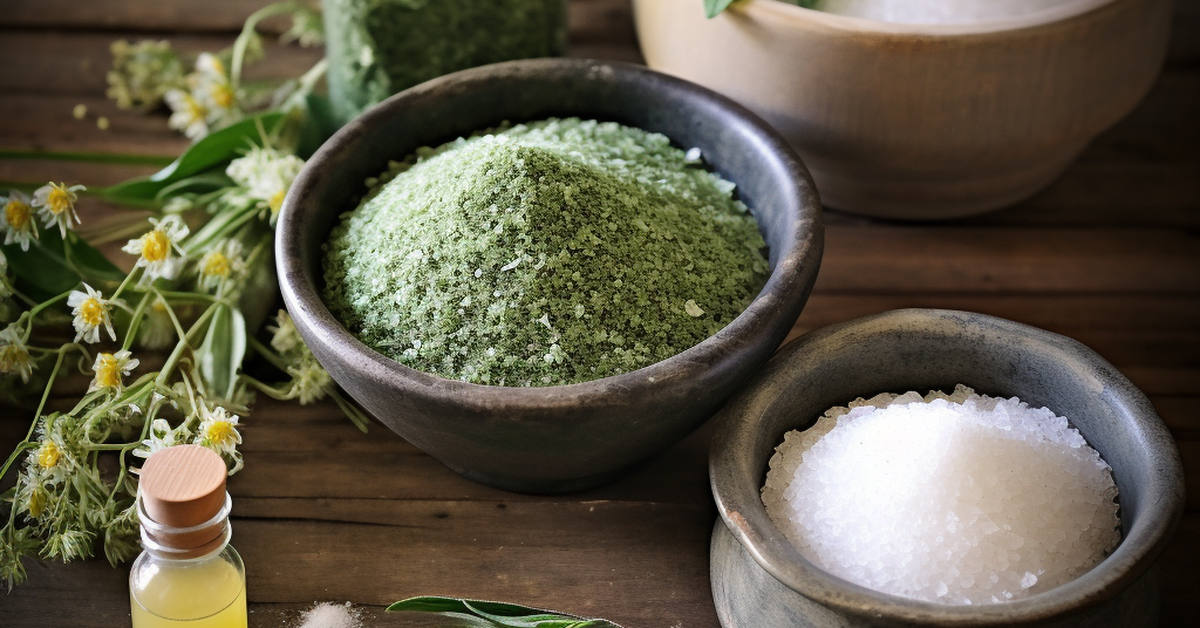
Gift-giving gets a personal touch when you craft your own herbal bath salts. It’s not just about handing over a present; it’s about sharing a piece of your creativity. Picture yourself handing over a jar filled with fragrant, natural goodness. Your friends and family will cherish the effort you put into making something just for them. Let’s delve into how you can turn simple bath salts into heartfelt gifts.
Creative Packaging Ideas
Transform your herbal bath salts into eye-catching presents with these packaging tips:
- Glass jars: They’re classic and show off the layered salts.
- Fabric pouches: A rustic touch for that handcrafted feel.
- Recycled containers: Eco-friendly and unique.
Labeling and Including Usage Instructions
A label elevates your gift from homemade to artisan. It’s not just about looking good; it’s also practical. You can jot down the ingredients and add a personal note. Make sure to include how to use the bath salts for a relaxing soak.
Tailoring Gifts for Special Occasions or Recipients
Think about the person you’re gifting. Do they love a certain scent or color? Make your bath salts match their personality. For special days like birthdays or holidays, add a festive twist to your packaging or ingredient choices.
- For the lavender lover: Add lavender buds and a few drops of essential oil.
- For the mint fanatic: Peppermint leaves will invigorate their senses.
- For the citrus obsessed: Zest some orange peel into the mix.
Gift Table
| Occasion | Scent | Color | Packaging Suggestion |
|---|---|---|---|
| Birthdays | Personal fav | Bright | Glass jar with ribbon |
| Christmas | Peppermint | Red/Green | Fabric pouch |
| Mother’s Day | Rose | Pink | Decorative box |
Remember, the key is to make your bath salt gifts as personal and thoughtful as possible. By taking the time to customize each element, from the scent and ingredients to the packaging and labeling, you’re not just giving a gift; you’re sharing a whole experience.
Subscribe to our newsletter to get weekly updates on growing tips, recipes, and DIY projects.
Now, let’s talk about how these home-crafted treasures can become more than just bath salts. They can turn into an avenue for you to express your care and creativity. Imagine your loved ones soaking in the essence of your love and effort. With each gift, you’re not only offering them a chance to unwind but also a sensory reminder of your thoughtfulness.
Conclusion
Crafting your own herbal bath salts is like unlocking the secrets of a garden’s soul, bringing the essence into your home for a spa-like retreat. It’s simple, oh so rewarding, and you get to infuse your daily routine with a touch of nature’s nurturing power. Each grain of salt carries the potential to soothe your worries and invigorate your senses.
Key Takeaway Creating these bath salts isn’t just about mixing ingredients; it’s a form of art, a moment of connection with nature, and a personal touch of wellness. You’ve seen how, with a few herbs and salts, you can transform your bath into a healing sanctuary. Now imagine sharing this blissful experience with friends and family – it’s a joy that multiplies.
Remember, at Green Herb Guru, we’re not just about herbs; we’re about the journey you take with them. Your path to well-being is ours too, and we’re here to guide, inspire, and celebrate every step. So why not start this very moment? Subscribe to our newsletter today, and let’s continue to grow, create, and thrive together. Every week, we’ll send you the best tips, tastiest recipes, and the most fun DIY projects that herbs have to offer. Join us, and let the herbal adventure begin!
Frequently Asked Questions about How to Make Herbal Bath Salts
What ingredients are needed to make herbal bath salts?
To make herbal bath salts, you typically need Epsom salt or sea salt as a base, baking soda to soften the water and skin, a carrier oil like almond or jojoba oil to moisturize, essential oils for fragrance and therapeutic benefits, and dried herbs or flower petals for added aroma and beauty. You may also choose to include additional ingredients like milk powder for extra skin softness or clay for detoxifying properties.
Can I use table salt instead of Epsom salt or sea salt?
It is not recommended to use table salt. Epsom salt and sea salt contain minerals that are beneficial for the skin and can help to relax muscles. Table salt is more processed and does not offer the same benefits. It can also be too harsh on the skin.
How do I choose which essential oils to add to my bath salts?
Choose essential oils based on the therapeutic properties you desire or the fragrance you prefer. For relaxation, lavender or chamomile are popular choices. For a more invigorating bath, you might opt for peppermint or eucalyptus. Always research your essential oils beforehand to ensure they are safe for topical use and do not cause skin irritation.
How much essential oil should I add to my bath salts?
Typically, you should add about 5-10 drops of essential oil per cup of bath salt mixture. However, this can vary depending on the strength of the oil and personal preference. It’s important to start with a smaller amount and adjust as needed because essential oils are highly concentrated.
What type of dried herbs or flowers can I use, and where can I find them?
Common dried herbs and flowers used in bath salts include lavender, rose petals, chamomile, calendula, and mint. You can find them in health food stores, online, or you can even dry fresh herbs and flowers yourself. Ensure the herbs you choose are pesticide-free and suitable for topical use.
How do I dry fresh herbs for my bath salts?
To dry fresh herbs, tie them in small bundles and hang them upside-down in a warm, dry place out of direct sunlight. Alternatively, you can lay them out on a clean cloth or a paper towel, and turn them occasionally until they are completely dry. It usually takes a few days to a week for the herbs to dry completely.
How should I mix the ingredients together?
Start by mixing the dry ingredients (salts and baking soda) in a large bowl. In a separate container, mix your carrier oil with the essential oils. Then, slowly pour the oil mixture over the salt mixture, stirring continuously to avoid clumping. Finally, gently stir in the dried herbs or flowers until evenly distributed.
Can I use fresh flowers or herbs in my bath salts instead of dried?
While fresh flowers and herbs can be used, they may not last as long and could potentially lead to mold or spoilage of your bath salts if not used quickly. Dried herbs and flowers are preferred for their longer shelf life and ease of storage.
How should I store my homemade herbal bath salts?
Store your homemade bath salts in an airtight container, such as a glass jar with a tight-fitting lid. Keep them in a cool, dry place away from direct sunlight to preserve the fragrance and therapeutic properties of the essential oils and herbs.
How long can I keep my homemade herbal bath salts before they go bad?
Well-stored, homemade herbal bath salts can last for up to six months. Over time, the scent may fade, so it’s best to use them within this timeframe to enjoy their full benefits. If you notice any changes in color, smell, or texture, it’s best to discard the bath salts.


