Beginner’s Guide to Everyday Medicinal Herbs (You Can Grow in Pots)
Growing your own herbs for gentle everyday wellness is easier than you might think. If you’ve got a sunny windowsill, balcony, or patio, you can cultivate a mini apothecary of kitchen medicine right at home. These aren’t exotic plants requiring special equipment—they’re the same culinary herbs you probably already use in cooking, like basil, mint, and rosemary.
What makes certain herbs “medicinal”? In this guide, we’re focusing on gentle, everyday herbs from the mint family that have been traditionally used for centuries to support digestion, relaxation, and respiratory comfort. These are plants you can brew into soothing teas, add to steams for stuffy noses, or simply enjoy fresh in your meals.
As an Amazon Associate I earn from qualifying purchases and sometimes recommend products from other sellers at no extra cost to you. For more details see my disclosure policy and privacy policy.
What Are Everyday Medicinal Herbs?
Everyday medicinal herbs are culinary plants with a long history of traditional wellness uses beyond just flavoring food. Think of them as “kitchen medicine”—herbs that bridge the gap between cooking and comfort. The key word here is gentle. We’re not talking about powerful pharmaceutical remedies or treatments for disease.
Forged & Grown — The Shop
Handpicked products chosen to fit the way we cook, grow, and create. Nothing generic — every item earns its place.
Visit the Shop


These herbs typically share a few characteristics. They’re mild and generally well-tolerated by most people when used in food-level amounts. They have aromatic compounds that contribute both to their flavor and their traditional uses. Most importantly for beginners, they’re easy to grow in containers, making them accessible even if you don’t have garden space.
Many of the best beginner-friendly medicinal herbs belong to the Lamiaceae family, also known as the mint family. This includes favorites like basil, mint, lemon balm, rosemary, thyme, and oregano. According to the Royal Horticultural Society, these Mediterranean herbs are particularly suited to container growing because they prefer well-drained soil and don’t mind being slightly pot-bound.
Why Growing Medicinal Herbs in Pots Is Perfect for Beginners
Container gardening removes many of the obstacles that intimidate new herb gardeners. You don’t need to worry about poor garden soil, competing weeds, or invasive spreading. Pots give you complete control over your growing environment.
For herbs like mint and lemon balm that can take over a garden bed, containers are actually the recommended growing method. You get all the benefits of fresh herbs without the risk of them spreading into areas where you don’t want them. Plus, you can bring potted herbs indoors during cold weather or move them to catch the best sunlight throughout the day.
Most mint-family herbs thrive in pots with just a few basic requirements. They need containers with drainage holes to prevent waterlogged roots, which herbs absolutely hate. A quality potting mix (preferably peat-free) works better than garden soil. And while Mediterranean herbs like rosemary and thyme prefer plenty of sun, herbs like lemon balm and mint tolerate partial shade and do well indoors on a bright windowsill.
🌿 Container Herbs at a Glance
Your quick reference guide to growing everyday medicinal herbs
(6-8 hrs)
to Sun
to Sun
(6-8 hrs)
(6-8 hrs)
(6-8 hrs)
Simple Herb Profiles: Your Starter Kit
Basil (Sweet Basil)
Basil is that aromatic summer herb you probably know from Italian cooking, but it’s also been traditionally used for digestive support and as a calming tea. It’s an annual, which means it completes its life cycle in one growing season, but it’s so easy to grow that you can keep starting new plants throughout the year.
How to Grow Basil in Pots: Basil loves warmth and sunshine. Give it at least 6 hours of direct sunlight daily and keep the soil consistently moist but not soggy. Pinch off the growing tips regularly to encourage bushier growth and prevent flowering, which makes the leaves bitter. It grows quickly, so you can start harvesting within weeks of planting.
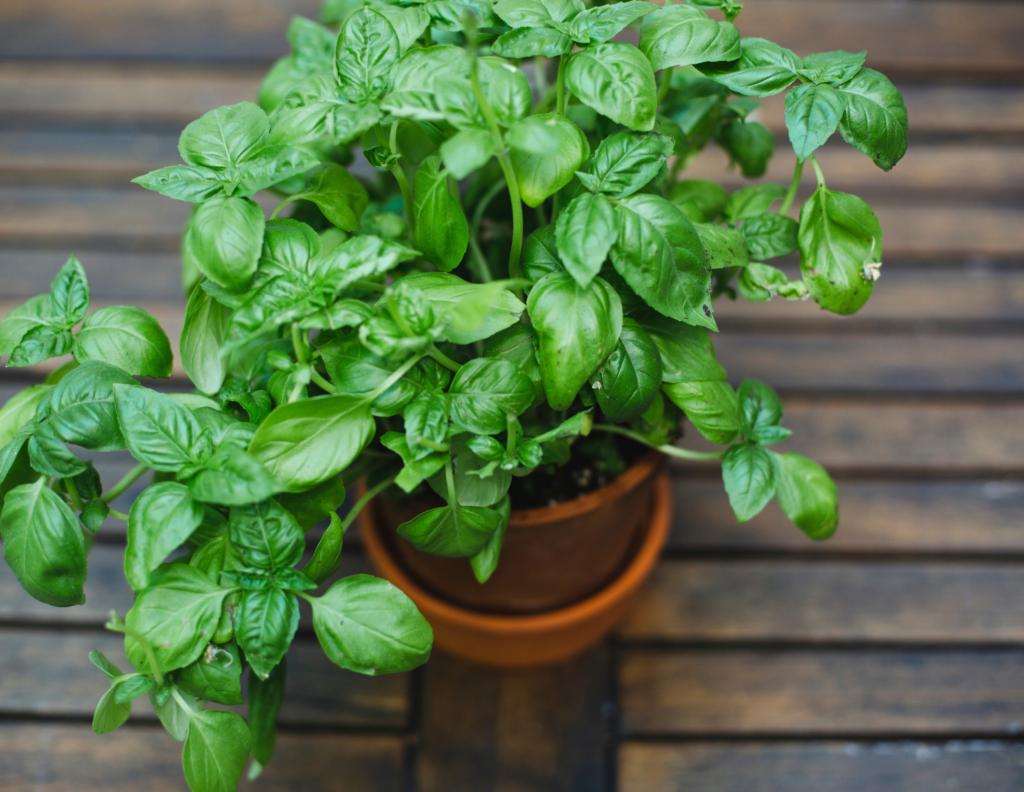
Traditional Uses: Many people enjoy basil tea after meals for digestive comfort. The aromatic oils in basil have been traditionally valued for supporting relaxation and easing mild tension. Fresh basil in food, infused into oils, or steeped into gentle teas offers these traditional benefits.
Basic Cautions: Stick to culinary amounts and mild teas. If you’re pregnant, breastfeeding, on medication, or have chronic health conditions, check with a healthcare professional before using basil medicinally. This applies to all herbs, as “natural” doesn’t automatically mean safe for everyone.
Mint (Peppermint or Spearmint)
Mint is famously easy to grow—almost too easy. It spreads aggressively in garden beds, which is why experienced gardeners always recommend growing it in containers. The good news? This vigorous nature means it’s practically impossible to kill, making it ideal for beginners.
How to Grow Mint in Pots: Mint tolerates partial shade better than most herbs, though it still enjoys some sun. Keep the soil evenly moist and give it room to spread within its pot. It’s perennial in most climates, meaning it’ll come back year after year. For more details on setting up your first herb garden, check out our beginner’s herb gardening guide.
Traditional Uses: Mint tea after meals is a classic remedy for digestive discomfort. The aromatic vapors from fresh mint in steams can help with stuffiness and congestion during cold season. According to the Herbal Academy, mint-family herbs have long been used as “nervine” herbs for supporting relaxation and easing restlessness.
Basic Cautions: Strong peppermint preparations may worsen reflux in some people. If a herb worsens your symptoms, stop using it. Always consult healthcare providers if you’re pregnant, breastfeeding, taking medications, or considering herbs for children or pets.
Lemon Balm
Lemon balm is a perennial member of the mint family with a delightful lemony scent when you brush against its leaves. It’s often called one of the easiest herbs to grow indoors and spreads less aggressively than mint, though it still appreciates the boundaries of a container.
How to Grow Lemon Balm in Pots: This herb is remarkably forgiving. It grows well in partial shade to full sun and doesn’t mind if you forget to water it occasionally. In fact, it’s drought-tolerant once established. Like other perennials, it dies back in winter in cold climates but returns in spring.
Traditional Uses: Lemon balm tea has been traditionally used for centuries to support relaxation and ease tension, making it a popular choice for evening teas. It’s also been traditionally valued for digestive comfort and occasionally for headaches. You can use it fresh or dried in teas, or add fresh leaves to summer drinks like herb-infused mocktails.
Basic Cautions: While generally considered safe for healthy adults, Gardening Know How notes that possible side effects can include allergic reactions, dizziness, headache, nausea, and stomach upset in some individuals. As with all herbs, pregnant or breastfeeding women, people on medications, and those with health conditions should consult professionals before medicinal use.
Rosemary
Rosemary is a woody, evergreen shrub with needle-like leaves and a distinctively pine-like aroma. It’s a Mediterranean herb that loves sunshine and doesn’t need much water once established. As a perennial, it can live for years in the right conditions.
How to Grow Rosemary in Pots: Rosemary needs excellent drainage—wet feet are its enemy. Use a gritty potting mix and a container with drainage holes. It prefers full sun (6-8 hours daily) and benefits from being slightly pot-bound. Water only when the top inch of soil feels dry. In cold climates, you can grow rosemary indoors during winter near a sunny window.

Traditional Uses: Modern herbal guides describe rosemary as traditionally used for supporting memory and focus, digestive comfort, and general wellness. You can enjoy it fresh in cooking, as a tea, or infused into vinegars and oils. Try it in recipes like rosemary lemon chicken or air fryer rosemary garlic potatoes.
Basic Cautions: Culinary amounts are generally safe for most people, but concentrated preparations and essential oil require more caution. According to pharmaceutical research, herbal products can interact with medications and may not be appropriate during pregnancy or certain health conditions.
Thyme
Thyme is a low-growing perennial herb with tiny aromatic leaves packed with flavor and traditional wellness benefits. It’s related to oregano and rosemary, and shares their preference for sunny, well-drained conditions.
How to Grow Thyme in Pots: This Mediterranean herb loves sun and hates wet roots. Plant it in well-draining soil and water sparingly—allow the soil to dry out between waterings. Thyme is drought-tolerant and actually develops better flavor when it’s slightly stressed by dry conditions. It works beautifully in herb garden planning alongside other Mediterranean favorites.
Traditional Uses: Thyme has been traditionally used for respiratory support, particularly in teas and steams for coughs and congestion. The aromatic compound thymol gives thyme its distinctive scent and contributes to its traditional uses. You can enjoy it fresh or dried in herbal teas, steams, or culinary dishes.
Basic Cautions: Stick to gentle kitchen-level uses and simple steams rather than concentrated internal remedies. Strong thyme preparations and thyme essential oil can be irritating. Follow general precautions about pregnancy, breastfeeding, medications, and use with children.
Oregano
Oregano is a sun-loving perennial that’s both a kitchen staple and a traditional wellness herb. It grows vigorously in containers and produces small purple-pink flowers that bees love if you let it bloom.
How to Grow Oregano in Pots: Like its Mediterranean cousins, oregano wants full sun and excellent drainage. It’s quite drought-tolerant once established and actually prefers to dry out between waterings. Harvest regularly to encourage bushy growth. In mild climates, it stays evergreen; in cold areas, it dies back in winter and returns in spring.
Traditional Uses: Oregano has been traditionally used for digestive support and as a warming, aromatic herb. It’s excellent in herb and spice blends and homemade Italian seasoning. While concentrated oregano oil is sometimes used medicinally, that’s beyond the scope of gentle beginner remedies.
Basic Cautions: Emphasize culinary use and mild teas. Avoid internal use of essential oil or high-dose supplements without professional guidance. Maintain general cautions for pregnancy, breastfeeding, chronic conditions, and potential medication interactions.
Gentle Ways to Use Your Medicinal Herbs
The beauty of everyday medicinal herbs is that you’re probably already using them for wellness without realizing it. When you sip mint tea after a heavy meal or add rosemary to roasted vegetables, you’re benefiting from their traditional properties alongside their delicious flavors.
Herbal Teas (Infusions)
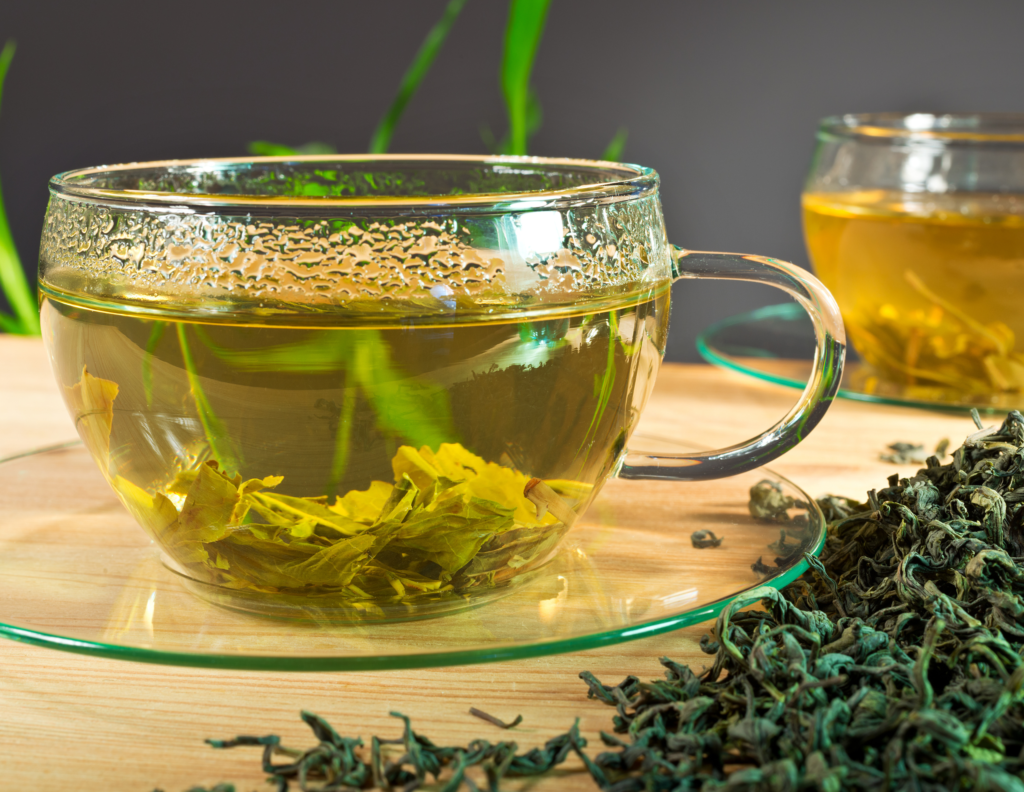
Making herbal tea is the simplest way to enjoy medicinal herbs. Steep 1-2 teaspoons of dried herb (or a small handful of fresh leaves) in a cup of hot water for 5-10 minutes. Cover your cup while steeping to keep the aromatic oils from escaping. You can enjoy these teas hot or iced.
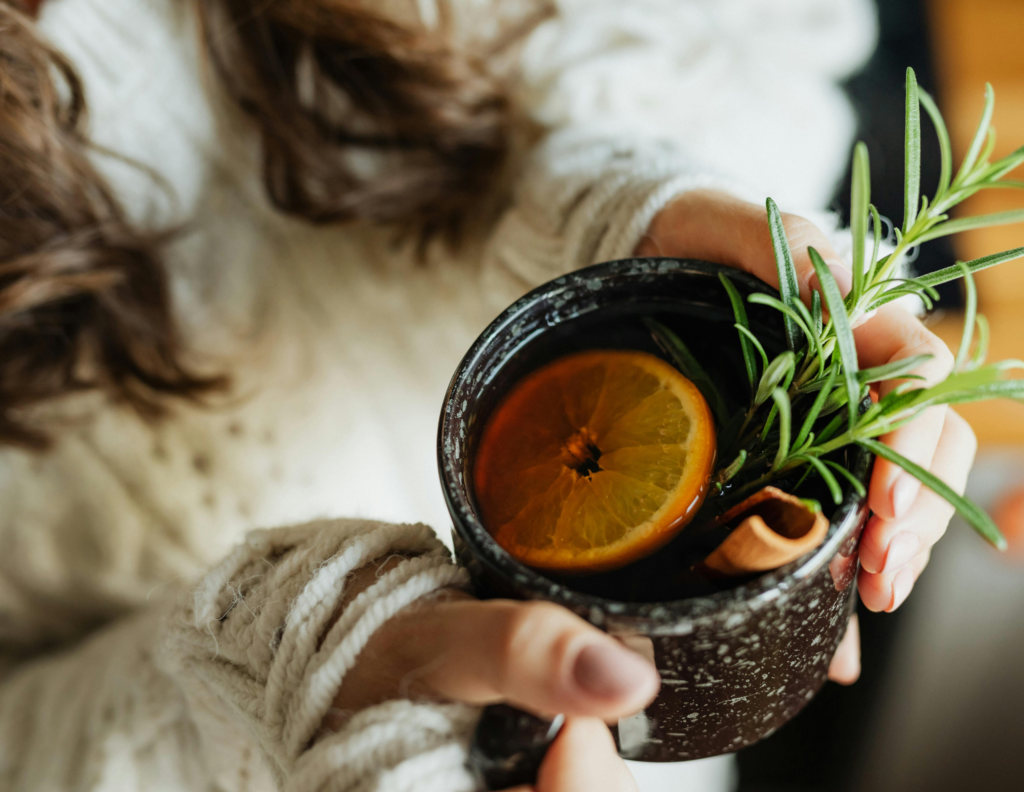
According to herbal educators at Learning Herbs, simple teas made from mint-family herbs are traditionally used for digestion, relaxation, and respiratory comfort. You might try mint or lemon balm tea in the evening for relaxation, basil or oregano tea for digestive support, or thyme tea during cold season. For more ideas, explore our collection of winter herb teas.
☕ Herbal Tea Brewing Guide
Perfect measurements and timing for the best cup every time
| Herb | Temperature | Steep Time | Notes |
|---|---|---|---|
| Basil | Boiling 212°F / 100°C |
5-7 min | Cover while steeping to preserve aromatic oils. Slightly sweet, peppery flavor. |
| Mint | Boiling 212°F / 100°C |
5-10 min | Longer steep for stronger minty flavor. Great hot or iced. Cover to keep oils. |
| Lemon Balm | Just Below Boiling 200°F / 93°C |
5-10 min | Gentle citrus flavor. Let water cool 1 minute after boiling before pouring. |
| Rosemary | Boiling 212°F / 100°C |
5-7 min | Strong, pine-like flavor. Use less than other herbs—it’s potent. Add honey to mellow. |
| Thyme | Boiling 212°F / 100°C |
5-8 min | Earthy, slightly minty. Works beautifully in blends with lemon balm or mint. |
| Oregano | Boiling 212°F / 100°C |
7-10 min | Bold, pungent flavor. Best blended with milder herbs or enjoyed with honey. |
Herbal Steams
Facial steams with aromatic herbs are a traditional way to ease stuffiness and support the feeling of open airways during cold and allergy season. Place a handful of fresh herbs (or 2-3 tablespoons dried) in a large bowl, pour boiling water over them, and lean over the bowl with a towel draped over your head to trap the steam. Breathe deeply for 5-10 minutes.
Thyme, mint, rosemary, and oregano all work beautifully in steams. The aromatic compounds create soothing vapors that many people find comforting when they’re congested. Just be careful not to get too close to the hot water—the steam should feel warm and comfortable, not burning.
Kitchen Medicine
The most enjoyable way to benefit from medicinal herbs is simply to use them generously in cooking. Fresh herbs in salads, soups, and sauces, or infused into vinegars and honey, give you daily exposure to their traditional wellness benefits without any extra effort.
Add fresh basil to tomato soup, rosemary to roasted chicken, thyme to mushroom dishes, oregano to Italian favorites, mint to summer salads and beverages, or parsley to potatoes. You can also make herb-infused oils for cooking and drizzling. When you preserve your herbs through various preservation methods, you’re ensuring year-round access to these wellness benefits.
Important Safety Information and Disclaimers
Before we go further, let’s be crystal clear about what this guide is and isn’t. This information is educational, not medical advice. These herbs are for gentle, everyday support and comfort—they are not intended to diagnose, treat, cure, or prevent any disease.
When to Consult Healthcare Professionals
You should always consult appropriate healthcare professionals before using herbs medicinally if you:
- Are pregnant, trying to conceive, or breastfeeding
- Have any chronic health conditions
- Take prescription or over-the-counter medications
- Are considering herbs for children or pets
- Have concerns about allergies or interactions
Research published in BMC Complementary Medicine and Therapies emphasizes that herbal medicines during pregnancy may contain potent active compounds and contaminants, and safety data are limited. Just because something is natural doesn’t mean it’s safe for everyone in every situation.
Understanding Herb-Medication Interactions
According to pharmacy-oriented research in The Pharmaceutical Journal, herbal products can interact with medications and may contain variable amounts of active constituents, heavy metals, pesticides, or even conventional drugs. What seems like a “simple” herb could affect how your medications work or cause unexpected side effects.
This is particularly true for concentrated preparations like tinctures, supplements, or essential oils. The gentle kitchen-level uses described in this guide—fresh herbs in food and mild teas—carry much less risk than concentrated products, but interactions are still possible.
Recognizing When to Stop
Even gentle herbs can occasionally cause side effects in sensitive individuals. Stop using an herb and seek advice if you notice allergic reactions (rash, itching, swelling, difficulty breathing), worsening of symptoms, digestive upset, headaches, or dizziness.
Remember that herbs affect different people differently. What works beautifully for one person might not suit another. Listen to your body and respect what it’s telling you.
Special Populations Need Extra Care
The following groups need particular caution with herbal remedies:
Pregnant and breastfeeding women: Many herbs that are safe for general use haven’t been studied in pregnancy or lactation. According to guidance from The Women’s Hospital, even traditionally used herbs may not be safe during pregnancy. When in doubt, avoid medicinal use beyond normal culinary amounts.
Children: Children’s bodies process herbs differently than adults. What’s gentle for you might be too strong for a child. Always consult a pediatrician before giving herbs medicinally to children.
People with chronic conditions: Herbs can affect heart conditions, blood pressure, blood sugar, hormones, and more. If you have any ongoing health condition, work with your healthcare provider when adding herbs to your routine.
Pets: Many herbs that are safe for humans are toxic to dogs, cats, and other pets. Keep herbs away from pets and consult a veterinarian before using herbs around animals.
Creating Your First Herbal Apothecary
Starting your medicinal herb garden doesn’t require a big investment or lots of space. Begin with 2-3 herbs that appeal to you based on taste, aroma, and traditional uses. Choose plants that match your growing conditions—if you have a sunny south-facing window, start with Mediterranean herbs like rosemary and thyme. If you have less light, try mint and lemon balm.
⏰ When to Harvest Your Herbs
Timing is everything for maximum flavor and potency
Invest in quality potting mix and containers with good drainage. Consider self-watering pots if you tend to forget watering, or set up a kitchen herb micro-garden for maximum convenience. You can also explore herbs to plant in November or early spring herbs depending on your season.
As your confidence grows, expand your collection. Try making simple preparations like teas and steams. Experiment with lemon balm recipes or create your own herb blends for immune support. Keep a journal noting which herbs you enjoy and how they make you feel.
The key is to approach herbal wellness as a gentle, long-term practice rather than expecting immediate dramatic effects. These herbs work best when incorporated consistently into your daily routine through cooking, teas, and simple home remedies.
Frequently Asked Questions
Can I use dried herbs from the grocery store for medicinal teas?
Yes, dried culinary herbs from the grocery store work fine for gentle teas, though they may be less potent than herbs specifically dried for medicinal use. Make sure they’re pure herbs without added salt, seasonings, or preservatives. Growing your own gives you the freshest, most aromatic herbs, but grocery store dried herbs are perfectly acceptable for getting started.
How much herb should I use in tea?
A general guideline is 1-2 teaspoons of dried herb or 1-2 tablespoons of fresh herb per cup of hot water. You can adjust based on your taste preferences. Start with less if you’re new to herbal teas, and increase gradually. The teas described in this guide are gentle and forgiving.
Are essential oils the same as using fresh or dried herbs?
No, essential oils are highly concentrated and should not be used the same way as fresh or dried herbs. A single drop of essential oil can contain the concentrated essence of pounds of plant material. This guide focuses on gentle uses of whole herbs, not concentrated essential oils. Never ingest essential oils without professional guidance.
Can I grow all these herbs together in one pot?
It’s better to give each herb its own pot, especially when you’re starting out. Different herbs have different watering needs—mint likes moisture while rosemary prefers to dry out between waterings. Keeping them separate prevents the more aggressive growers (like mint) from crowding out slower herbs. Once you’re experienced, you can experiment with compatible pairings.
What if I live in a cold climate? Can I still grow these herbs?
Yes! Most of these herbs can be grown indoors on a sunny windowsill year-round. Perennial herbs like rosemary, thyme, oregano, and mint can also be brought indoors for winter and returned outside when weather warms. Basil needs to be replanted each year, but you can start new plants indoors anytime. Check out our guide on growing rosemary indoors versus outdoors for more climate-specific advice.
How do I know if an herb is working for me?
Gentle herbal remedies work subtly over time rather than producing immediate dramatic effects. You might notice improved digestion after regular use of mint tea with meals, or feel more relaxed after evening lemon balm tea. Keep notes on how you feel, but remember these aren’t pharmaceutical drugs—the benefits come from consistent, gentle use as part of a healthy lifestyle.
Can I use these herbs if I’m taking prescription medications?
This requires individual assessment by your healthcare provider or pharmacist. Even culinary herbs can potentially interact with certain medications. Be especially cautious with herbs known to affect blood clotting (like oregano), blood sugar, or blood pressure. Always inform your healthcare providers about any herbs you’re using regularly, even in food.
Are there any herbs I should avoid giving to my pets?
Many herbs safe for humans are toxic to pets. Keep all herb plants away from cats and dogs, as they may nibble on them. Essential oils are particularly dangerous for pets. If you want to use herbs for your pets’ health, consult a veterinarian trained in herbal medicine rather than experimenting on your own.
How long do dried herbs stay potent?
Dried herbs retain their aromatic properties and flavor for about 6-12 months when stored properly in airtight containers away from light and heat. After that, they won’t hurt you, but they’ll lose potency and won’t be as effective in teas or cooking. Smell and taste your dried herbs—if they don’t have much aroma or flavor, it’s time to replace them or preserve new herbs.
What’s the difference between culinary and medicinal use?
There’s actually significant overlap. The amounts you’d use in cooking (a teaspoon of dried oregano in pasta sauce, fresh basil in salad) are culinary amounts that also provide gentle traditional benefits. Medicinal use typically means using herbs more intentionally and consistently for specific wellness goals—like drinking mint tea specifically for digestion rather than just because you enjoy the taste. The preparations in this guide blur that line intentionally, making wellness delicious and accessible.
Final Thoughts: Starting Your Herbal Journey
Growing everyday medicinal herbs in pots brings the ancient wisdom of herbal wellness right to your kitchen. These aren’t exotic remedies requiring special knowledge—they’re the same herbs that have graced kitchen gardens for thousands of years, valued equally for their flavors and their gentle supportive properties.
Start simply with one or two herbs that appeal to you. Learn how they grow, how they taste, and how they make you feel when you use them regularly. Respect them by following safety guidelines and seeking professional advice when needed. Most importantly, enjoy the process of connecting with these plants and the traditions they represent.
Whether you’re sipping rosemary tea while working, adding fresh mint to your water on a hot day, or infusing basil into olive oil for cooking, you’re participating in an age-old practice of using herbs for both nourishment and wellness. Your small container garden can become a source of fresh flavor, daily comfort, and gentle self-care—all growing right on your windowsill.
Remember: This guide provides educational information about traditional uses of herbs. It is not intended to replace professional medical advice, diagnosis, or treatment. Always seek the advice of your physician or other qualified health provider with any questions about a medical condition or before starting any herbal regimen, especially if you are pregnant, nursing, taking medications, or have existing health conditions.


