The Mint Family: Calm, Digestion and Everyday Wellness from Your Herb Pots
You know that feeling when you crush a basil leaf between your fingers and the scent just makes everything feel right? That’s the magic of the mint family at work. These aromatic powerhouses don’t just smell amazing—they’ve been helping people ease upset stomachs, calm frazzled nerves, and support everyday wellness for thousands of years.
If you’re new to growing medicinal herbs, the mint family is your best friend. These plants are forgiving, they thrive in containers on sunny windowsills, and they pull double duty in both your kitchen and your teacup. Plus, their signature square stems and opposite leaves make them easy to recognize, so you’ll gain confidence as a beginner herb gardener fast.

As an Amazon Associate I earn from qualifying purchases and sometimes recommend products from other sellers at no extra cost to you. For more details see my disclosure policy and privacy policy.
What Makes the Mint Family Special?
The mint family (officially called Lamiaceae) includes some of the most beloved herbs in the world. Think mint, lemon balm, oregano, thyme, basil, and rosemary—herbs you probably already use in cooking. What ties them together is their botanical family traits: square stems, leaves arranged in opposite pairs, and those wonderful volatile oils that release when you rub the foliage.
Forged & Grown — The Shop
Handpicked products chosen to fit the way we cook, grow, and create. Nothing generic — every item earns its place.
Visit the Shop


These aromatic oils aren’t just for show. They’re the reason these herbs support digestion, respiratory health, and general wellness in gentle, food-like doses. When you brew a cup of mint tea or add fresh rosemary to roasted chicken, you’re tapping into centuries of herbal wisdom.
Why Beginners Love Mint-Family Herbs
Most mint-family herbs are incredibly hardy and forgiving of imperfect soil conditions. They thrive in containers, which makes them ideal for windowsills, patios, and small gardens where space is limited. If you’re just starting your herb garden planning journey, these herbs are the perfect place to begin.
Their strong aroma offers immediate “sensory feedback”—you crush a leaf, inhale, and instantly experience the reward of growing your own herbs. This immediate gratification keeps new gardeners motivated and excited to expand their collection.
Because they’re common kitchen herbs, new herbalists can explore simple remedies like teas and tisanes without buying specialist ingredients or equipment. You probably already have mint or basil in your kitchen, which means you can start experimenting with herbal wellness right now.
| Herb | Traditional Uses | Culinary Applications | Best For Beginners? |
|---|---|---|---|
| Mint (Peppermint/Spearmint) | Digestive support, nausea relief, cooling for congestion | Teas, desserts, salads, drinks | ⭐⭐⭐ Excellent (very forgiving) |
| Lemon Balm | Calming nerves, sleep support, digestive aid | Iced teas, tisanes, fresh in salads | ⭐⭐⭐ Excellent (nearly indestructible) |
| Oregano | Antibacterial support, digestive aid, immune support | Tomato sauces, pizza, Mediterranean dishes | ⭐⭐ Good (needs more sun) |
| Thyme | Respiratory health, cough relief, antimicrobial | Roasted meats, soups, vegetables | ⭐⭐ Good (slower growing) |
| Basil | Antibacterial, anti-inflammatory, circulation support | Pesto, pasta, salads, Thai cuisine | ⭐⭐ Good (needs warmth) |
| Rosemary | Memory/focus, mood support, antibacterial | Roasted meats, potatoes, infused oils | ⭐ Moderate (needs excellent drainage) |
Meet the Key Mint Family Members
Mint (Peppermint and Spearmint)
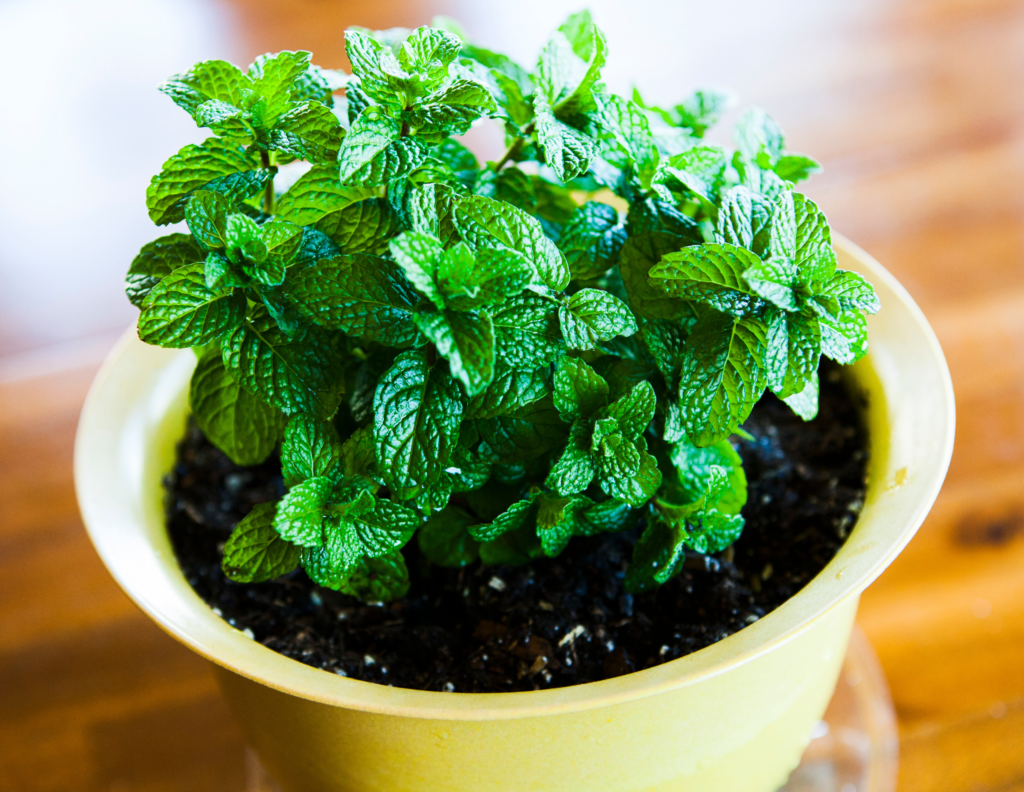
Mint is the classic digestive herb that most people think of first. Light after-meal teas may ease gas, bloating, and nausea, and the scent can feel cooling and decongesting. Fresh mint leaves show up in salads, desserts, cool drinks, and simple herbal tisanes. If you want to learn more about making the most of your fresh herbs, check out our guide on brewing herbal tea.
Mint grows enthusiastically—sometimes too enthusiastically—so keep it in containers to prevent it from taking over your garden. It’s one of the best choices for early spring herbs because it tolerates cooler temperatures beautifully.
Lemon Balm
Traditionally used to calm the nerves and support sleep and digestion, lemon balm is gaining modern recognition for benefits related to anxiety, mild insomnia, and nervous tummies. The gentle lemon-scented leaves make beautiful teas, iced infusions, and bedtime tisanes that taste as good as they make you feel.
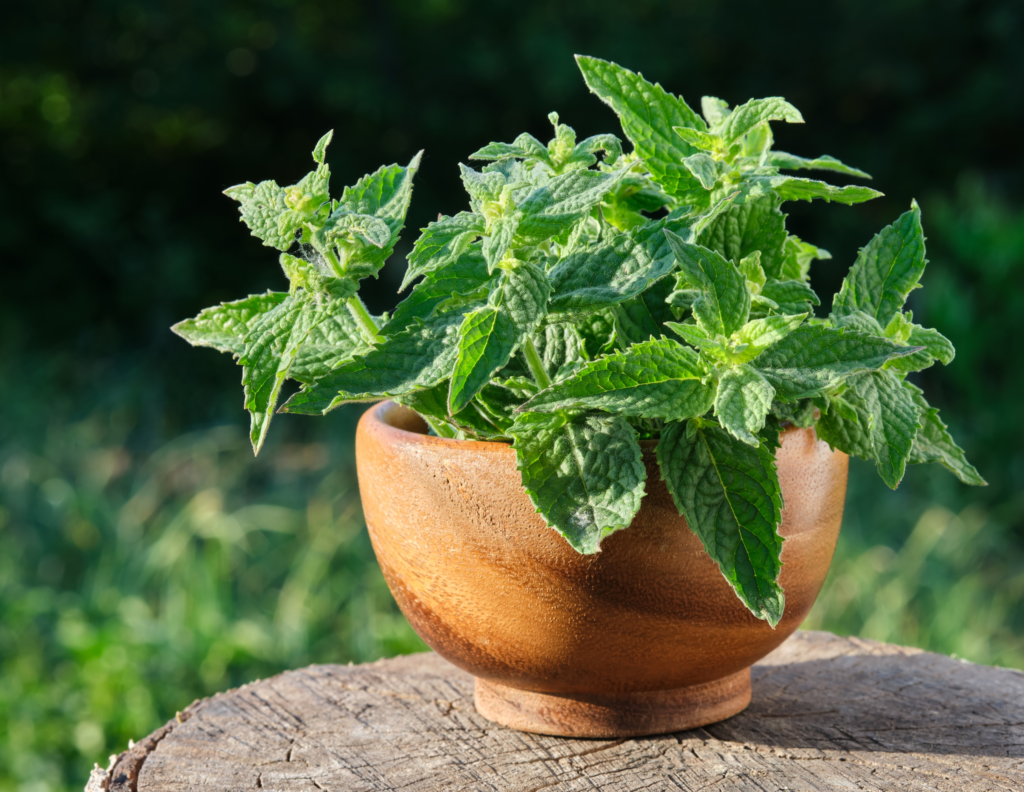
Lemon balm is perfect for beginners because it’s nearly impossible to kill. It thrives in partial shade and tolerates neglect better than many herbs. Try our lemon balm recipes for inspiration on using this versatile herb fresh.
Oregano
Rich in aromatic oils with antibacterial and antiviral activity, oregano is often suggested to support digestion and reduce bloating. At home, it shines in tomato sauces, pizzas, and salad dressings, but it can also be steeped as a robust, savory herbal tea for winter wellness.
Oregano is a key ingredient in many Mediterranean dishes and pairs beautifully with other herbs. Use it in your homemade Italian seasoning mix for a custom blend that beats anything store-bought.
Thyme
Traditionally used for respiratory health, thyme steams and teas are used to loosen congestion and calm coughs during cold season. In the kitchen, thyme is a staple for roasted vegetables, meats, and soups. It can also be added to gentle cold-weather tisanes for extra immune support.
Thyme’s delicate leaves pack serious flavor. Try it in dishes like lemon herb roasted chicken where its earthy notes complement bright citrus perfectly.
Basil
Basil contains aromatic oils with antibacterial and anti-inflammatory properties and is often described as supporting immune function and healthy circulation. Fresh basil is central to pestos, salads, and pasta dishes. It can also be used in light herbal infusions or blended into cooling summer drinks.
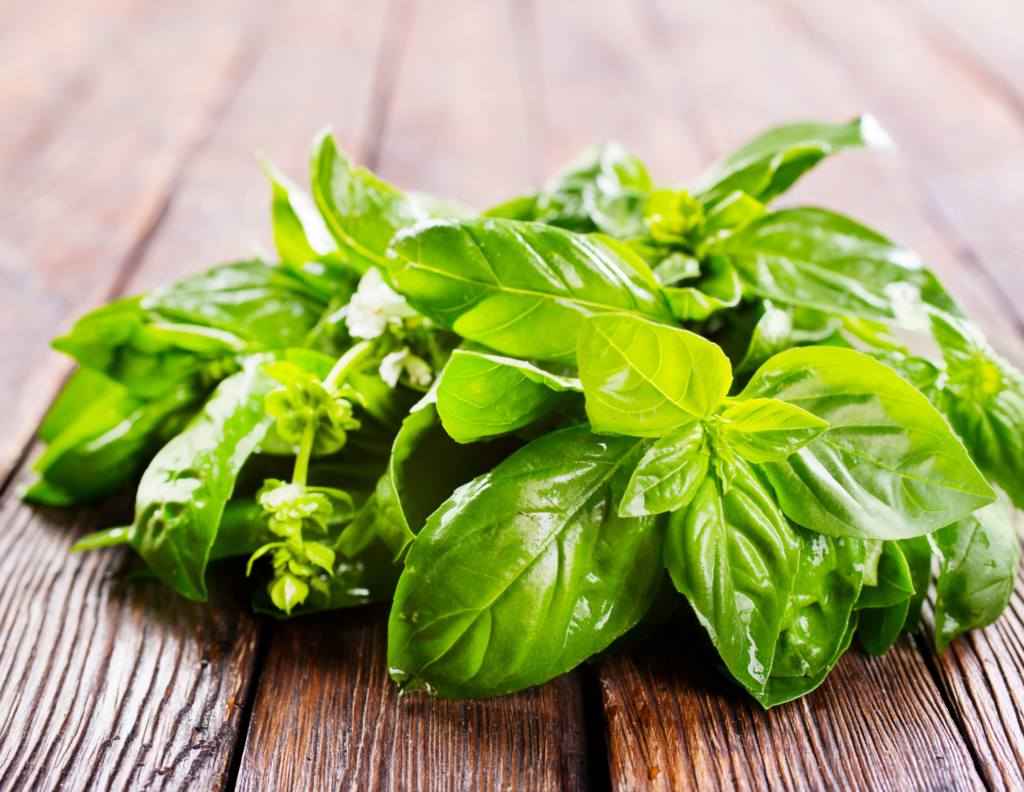
The key to keeping basil happy is warmth and consistent moisture. Learn more in our complete guide to basil, which covers growing, harvesting, and using this beloved herb. For a quick project, try making basil olive oil to preserve your harvest.
Rosemary
Associated with improved memory, concentration, and mood, rosemary is also noted for antibacterial effects and anxiety-lowering potential when used as tea or aromatherapy. At home, it’s used with roasted meats and vegetables, in infused oils, and as a stimulating herbal tea or inhalation.
Rosemary requires excellent drainage and loves full sun. Our rosemary herb guide covers everything from growing tips to storage methods. If you’re deciding between indoor and outdoor growing, check out growing rosemary indoors vs outdoors for detailed comparisons.
Everyday Uses: Calm, Digestion, and Wellness
Teas and Tisanes for Gentle Support
Simple infusions of mint or lemon balm are popular for after-dinner digestion and evening relaxation. These gentle brews are often combined with chamomile or other mild herbs for children and sensitive adults. The beauty of herbal teas is their simplicity—just pour hot water over fresh or dried leaves, steep for 5-10 minutes, and enjoy.
Thyme, oregano, and rosemary can be combined in stronger “kitchen medicine” brews for winter immune support and respiratory comfort. Our winter herb teas post has specific blend recipes that taste great and support seasonal wellness.
Want to try something unique? Basil tea offers a sweet, slightly spicy alternative to traditional mint teas and works wonderfully as an iced beverage in warmer months.
Culinary Use as Medicine-Adjacent Care
Regularly cooking with basil, oregano, thyme, and rosemary supplies a steady trickle of antioxidant, antimicrobial, and anti-inflammatory compounds in normal food doses. This is the easiest way to incorporate herbal wellness into your life—no special preparations required.
Using these herbs fresh—stirred into dishes at the end of cooking—helps preserve their delicate aromatic oils and potential benefits. Try recipes like instant pot tomato basil soup or rosemary lemon chicken to see how fresh herbs transform simple meals into something special.

For meal prep enthusiasts, homemade pesto is a brilliant way to preserve fresh basil while creating a versatile sauce you can use all week. It’s one of our most popular herb glow-up recipes that makes everyday cooking feel restaurant-worthy.
Calming Aromatics for Daily Life
Crushed mint, lemon balm, and rosemary leaves release uplifting, calming scents that many people use informally for focus, stress relief, and emotional regulation during daily life. Keep a pot of lemon balm on your desk and rub a leaf between your fingers when you need a mental reset.
You can take this concept further with DIY projects. Making rosemary oil or basil-infused soap lets you experience these calming aromatics beyond the kitchen.
Growing Your Mint Family Collection
Starting a mint-family medicinal garden is easier than you think. Most of these herbs need similar growing conditions: well-draining soil, at least 6 hours of sunlight, and moderate watering. The exceptions are lemon balm (tolerates partial shade) and mint (needs containment to prevent spreading).
If you’re working with limited space, try a kitchen herb micro garden setup. You can grow enough basil, thyme, and mint for regular use in surprisingly small containers.
For those planning larger outdoor spaces, our post on herbs to plant in November includes several mint-family members that can overwinter in many climates. And if you struggle with consistent watering, self-watering plant pots can be a game-changer for keeping your herbs happy.
Preservation for Year-Round Use
The wonderful thing about mint-family herbs is how well they preserve. You can dry them for teas, freeze them in ice cubes for cooking, or make infused oils and vinegars that capture their flavor and benefits. Our comprehensive herb preservation guide covers all the methods with step-by-step instructions.
For specific herbs, check out creative projects like cilantro infused oil (cilantro isn’t in the mint family, but the technique works beautifully with basil and oregano too).
Beyond the Basics: Creative Applications
Once you’re comfortable with the basics, you can explore creative applications for your mint-family herbs. Try making herb-infused drinks for summer entertaining, or create your own herb and spice blends that reflect your favorite flavor combinations.
Looking for dinner inspiration? Recipes like herbes de provence lamb chops, rosemary stuffed pork chops, and crispy salmon herb butter showcase how professional chefs use mint-family herbs to create memorable meals.
A Note on Safety and Disclaimers
While mint-family herbs are generally safe when used as culinary herbs and in simple teas, it’s important to approach medicinal use thoughtfully. Pregnant women, people on medications, and those with specific health conditions should consult healthcare providers before using herbs therapeutically.
Start with small amounts to check for sensitivities. Most people tolerate these herbs beautifully, but everyone’s body is different. The goal is gentle support for everyday wellness, not replacing medical treatment.
Frequently Asked Questions
Can I grow all these herbs together in one container?
While they’re all in the same family, different herbs have different needs. Rosemary needs excellent drainage and loves dry conditions, while mint prefers consistent moisture. It’s better to group herbs with similar water and soil requirements together.
Which mint-family herb is easiest for absolute beginners?
Mint and lemon balm are nearly foolproof. They tolerate neglect, adapt to various light conditions, and grow enthusiastically. Just be sure to contain mint or it will spread everywhere.
How much should I use for herbal tea?
For fresh herbs, use about 2 tablespoons of leaves per cup of hot water. For dried herbs, use 1 teaspoon per cup. Steep for 5-10 minutes, taste, and adjust to your preference.
Can I use dried herbs instead of fresh for cooking?
Yes, but dried herbs are more concentrated. Use about one-third the amount of dried herbs compared to fresh. Add dried herbs earlier in cooking to allow their flavors to bloom.
Do these herbs have side effects?
When used as culinary herbs and simple teas, mint-family herbs are very safe for most people. However, peppermint can worsen acid reflux in some individuals, and rosemary in large medicinal doses isn’t recommended during pregnancy.
What’s the best way to harvest without killing the plant?
Never take more than one-third of the plant at once. Cut stems just above a leaf node to encourage bushy growth. Regular harvesting actually helps these herbs stay compact and productive.
Can I make herbal tea from my garden herbs in winter?
If you bring herbs indoors or protect them with mulch, many mint-family herbs survive winter in mild climates. Otherwise, preserve your summer harvest by drying leaves for winter teas.
Are essential oils the same as using fresh herbs?
No. Essential oils are highly concentrated and should never be ingested without professional guidance. Fresh and dried herbs used in cooking and teas are much gentler and safer for home use.
Your Mint Family Journey Starts Now
The mint family offers a perfect entry point into the world of medicinal herbs. These plants are forgiving enough for beginners, useful enough for daily cooking, and therapeutic enough to support your wellness in gentle, accessible ways.
Start with one or two herbs that excite you most—maybe basil if you love pesto, or lemon balm if you need help winding down at night. Plant them in containers on a sunny windowsill, learn their rhythms, and gradually expand your collection. Before you know it, you’ll have a thriving medicinal garden that serves your kitchen and your wellbeing.
The best part? Every time you crush a leaf, brew a cup of tea, or sprinkle fresh herbs over dinner, you’re connecting with a tradition of plant wisdom that spans continents and centuries. That’s the real magic of the mint family—it makes you part of something bigger while keeping you grounded in the simple pleasures of growing, harvesting, and using beautiful plants.


