Your Complete Beginner’s Apothecary Guide: Simple Herb Remedies for Everyday Wellness
Starting a home apothecary sounds fancy, but it’s really just a smarter way to stock your kitchen with herbs you actually know how to use. Instead of a cupboard full of mysterious dried leaves you bought with good intentions, you’ll build a small, practical collection of herbs paired with real skills for everyday wellness.
Think of it as your personal toolkit for those minor, self-limiting issues we all deal with—occasional indigestion, stress, a scratchy throat, or trouble sleeping. You’re not replacing your doctor or pharmacist; you’re adding a layer of gentle, transparent self-care built around plants you recognize and preparations you make yourself.
As an Amazon Associate I earn from qualifying purchases and sometimes recommend products from other sellers at no extra cost to you. For more details see my disclosure policy and privacy policy.
What is a Home Apothecary?
A modern home apothecary is your personal wellness toolkit—a curated shelf or cupboard of herbs, oils, and natural ingredients you’re confident using for specific needs, from sleep support to soothing coughs. Unlike a conventional medicine cabinet that leans on one-size-fits-all over-the-counter drugs, a home apothecary focuses on gentle, transparent ingredients you recognize and prepare yourself.
Forged & Grown — The Shop
Handpicked products chosen to fit the way we cook, grow, and create. Nothing generic — every item earns its place.
Visit the Shop


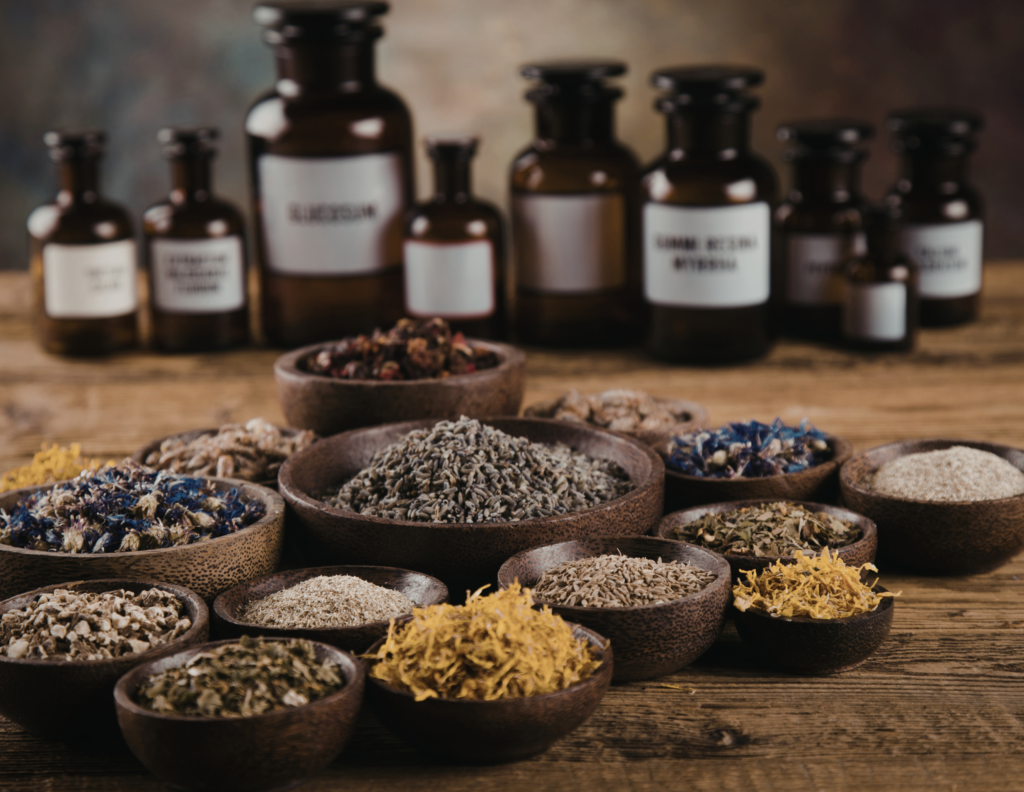
The key difference is philosophy. Medicine cabinets are reactive, used after symptoms appear. Home apothecaries are often proactive, supporting resilience and prevention with daily teas, tonics, and spices you incorporate into meals and routines.
You’re not replacing all pharmaceuticals. You’re adding a practical, skills-based layer of self-care built around herbs you understand. The “apothecary” becomes functional only when you pair ingredients with know-how—otherwise it’s just a pretty jar collection that gathers dust on your counter.
This approach fits naturally with growing your own herbs and learning basic herb preservation techniques. Once you start making your own herbal teas and simple preparations, you’ll understand exactly what’s in them and how they work.
The 8 Essential Starter Herbs
These eight herbs give a versatile foundation for most beginner home apothecaries. They’re widely used in introductory herbal texts and starter kits, and chances are you already have some in your kitchen.
Basil is a calming digestive herb, often used as an after-meal tea for bloating or gas. Fresh basil tea is surprisingly soothing, and you can also make culinary infused oils or use it fresh in cooking. Growing basil is straightforward for beginners, making it an excellent first herb.

Mint (peppermint or spearmint) is cooling and supports digestion. Research supports peppermint’s use for digestive discomfort, and it may ease nausea and tension headaches. Use it as a simple tea, compress, or in homemade syrups. Fresh mint in orange lemonade shows how easily you can incorporate herbs into everyday drinks.
Lemon balm is a gentle nervine, often used for stress, mild anxiety, and sleep. It’s also traditionally applied to cold-sore-prone lips. Try it as a fresh tea, tincture, or in salves and lip balms. You’ll find plenty of lemon balm recipes to explore.
Rosemary is warming and aromatic, used for focus, circulation, and as a culinary antioxidant herb. Mount Sinai’s herbal library notes rosemary’s traditional applications for memory and digestion. It works beautifully in teas, hair rinses, and infused oils. Whether you’re growing rosemary indoors or outdoors, this Mediterranean herb is incredibly versatile.
Chamomile is the classic relaxing tea for digestion, mild stress, and sleep support. Johns Hopkins Medicine notes chamomile’s traditional use for these purposes. It also works as a gentle skin wash or compress. You can use it in teas, baths, or simple syrups. It’s one of the most beginner-friendly herbs for a home apothecary.
Ginger is a warming digestive widely studied for nausea and motion sickness. Research shows ginger can be effective for various digestive complaints and nausea. It’s perfect in cold-weather teas and adds zip to many preparations. Try it as a decoction (simmered tea), syrup, or infused honey. Simple ginger carrot soup shows how medicinal herbs can be delicious too.
Elderberry is traditionally used at the first sign of colds and flu-like symptoms. Studies suggest elderberry may help reduce cold duration, though more research is needed. It’s popular in syrups for families, often combined with honey and warming spices. You’ll typically use it as a syrup, tincture, or oxymel.
Echinacea is used short-term around the onset of colds to support immune response. It’s often taken as a tincture, tea, or throat spray. Don’t use it long-term—it’s most effective when used at the first tickle in your throat.
A simple way to make this beginner-friendly is to choose 3–5 common concerns you want to address at home (for example, “colds, sleep, digestion”), then match two or three herbs to each. Start with one preparation per herb (for example, chamomile tea, elderberry syrup) so you build confidence before expanding.
🌿 Herb Quick Reference Guide
Find the right herb for your needs – filter, sort, and explore
| Herb Name | Main Uses | Best Preparation | Pregnancy | Children | Pets | Learn More |
|---|---|---|---|---|---|---|
| Basil | Digestive Stress | Tea, Fresh Use, Infused Oil | ⚠ | ✓ | ✓ | View Guide |
| Chamomile | Digestive Sleep Stress | Tea, Compress, Bath | ✓ | ✓ | ✓ | View Guide |
| Echinacea | Immune | Tincture, Tea, Throat Spray | ✗ | ⚠ | ✓ | View Guide |
| Elderberry | Immune | Syrup, Tincture, Oxymel | ✓ | ✓ | ⚠ | View Guide |
| Ginger | Digestive Immune | Decoction, Syrup, Fresh | ⚠ | ✓ | ✗ | View Recipe |
| Lemon Balm | Stress Sleep | Tea, Fresh Tincture, Salve | ✓ | ✓ | ✓ | View Recipes |
| Mint (Peppermint) | Digestive Stress | Tea, Compress, Syrup | ✓ | ✓ | ✗ | View Guide |
| Rosemary | Stress | Tea, Infused Oil, Fresh Use | ⚠ | ✓ | ✗ | View Guide |
Building Your Herb Collection Strategically
Start with dried herbs from reputable suppliers if you’re not growing your own yet. They’re shelf-stable, easy to store, and let you experiment without the pressure of keeping plants alive. Once you’re comfortable with dried herbs, consider growing your own cilantro, basil, or parsley to have fresh herbs on hand.
For those in the northern hemisphere, winter is actually a great time to plan your herb garden. Check out which early spring herbs you can plant and what herbs to plant in November for your region. If you’re tight on space, try kitchen herb micro-gardens or hydroponic herb growing in mason jars.
Safety Fundamentals for Beginners
Herbal remedies are powerful enough to help, so they’re also powerful enough to cause problems if used carelessly, especially with pregnancy, children, medications, and pets. This is the section you absolutely cannot skip.
Check for Allergies First
Anyone with known allergies to plants in the daisy or ragweed family should be cautious with chamomile and echinacea. Plant family cross-reactions are well-documented in allergic individuals. Start low, go slow, and watch for rash, itching, or breathing changes. Stop use immediately if they occur.
Even common culinary herbs can cause reactions in sensitive individuals. If you’re trying a new herb, start with a very small amount and wait 24 hours before using more.
Pregnancy and Breastfeeding
“Natural” does not equal “automatically safe.” Even commonly used herbs like ginger, peppermint, and chamomile can interact with pregnancy physiology or medications. Pregnant and breastfeeding people should consult healthcare providers before using herbal remedies regularly, as recommended by Cleveland Clinic.
This isn’t being overly cautious—it’s responsible care. Many herbs that are perfectly safe for most adults can affect hormone levels, uterine tone, or breast milk production.
Medications and Interactions
Herbs can alter liver enzymes (such as CYP systems) and change how drugs are processed. The National Center for Complementary and Integrative Health warns that anyone on regular prescriptions should get medical advice before adding strong or frequent herbal remedies.
This is particularly important for blood thinners, diabetes medications, blood pressure drugs, and medications metabolized by the liver. Your pharmacist is an excellent resource for checking potential interactions.
Children and Proper Dosing
Doses are smaller for children, and some forms aren’t appropriate at all. High-alcohol tinctures, strong essential oils, and honey for children under one year old are all no-gos. Stick with very mild teas and syrups, and check with a pediatric professional for ongoing issues.
Children aren’t just small adults—their bodies process herbs differently. What’s gentle for you might be too strong for a child.
Pets Need Different Care
Dogs and especially cats metabolize herbs differently than humans. Some human-safe plants and essential oils are toxic to pets, as documented by the ASPCA. Pet use should be guided by a vet familiar with herbal medicine.
Never assume that because something is safe for you, it’s safe for your pets. Many common herbs and essential oils can be harmful or even fatal to cats and dogs.
Finally, herbs are not substitutes for urgent or ongoing medical care. They’re complementary supports for mild, self-limiting issues while you monitor symptoms carefully.
Basic Preparation Methods Overview
A beginner home apothecary usually revolves around a small set of core preparations that you can reuse with many herbs. Master these basics, and you’ll have the foundation for most home remedies.
Infusion vs. Decoction
Understanding the two basic methods for making herbal teas
Infusion
What It Is
The gentle method for extracting properties from delicate plant parts using hot water.
Best For
- Leaves (mint, lemon balm, basil)
- Flowers (chamomile, lavender)
- Delicate aerial parts
Method
Pour hot (not boiling) water over herbs, cover, and steep for 5-15 minutes. Strain and enjoy.
⏱ 5-15 minutesWhy Cover?
Covering prevents volatile oils (the beneficial aromatic compounds) from escaping with the steam.
Decoction
What It Is
A stronger extraction method using gentle simmering to break down tough plant materials.
Best For
- Roots (ginger, echinacea)
- Bark (cinnamon)
- Berries (elderberries)
- Seeds (fennel)
Method
Add herbs to cold water, bring to a gentle simmer (not rolling boil), and simmer covered for 10-30 minutes. Strain while warm.
⏱ 10-30 minutesWhy Simmer?
Tough plant parts need sustained heat to release their medicinal compounds, which don’t extract well with simple steeping.
Infusions (Herbal Tea)
Steep soft plant parts (leaves, flowers) in hot water for 5–15 minutes, then strain. Drink warm for digestion, stress, or sleep, or use cooled for gargles and skin washes. Brewing herbal tea properly makes a huge difference in flavor and effectiveness.
For everyday use, simple basil tea or mint tea requires nothing more than hot water and fresh or dried herbs. Winter herb teas can be particularly comforting during cold months.

Decoctions
Gently simmer tougher parts (roots, barks, berries like ginger root or dried elderberries) for 10–30 minutes, then strain. These are often used as the base for syrups. The longer simmering time extracts compounds that won’t release with simple steeping.
Tinctures
Extract herbs in alcohol (or glycerine), usually left to macerate for at least 2 weeks before straining. This gives you a concentrated liquid used in small drops. Properly stored alcohol tinctures can last many years, often quoted as 7–10 years.
Tinctures are incredibly shelf-stable and potent, making them ideal for herbs you want to keep on hand for occasional use. They take up little space and a few drops go a long way.
Syrups
A sweetened blend of strong tea or decoction (commonly elderberry or ginger) plus sugar or honey provides flavor, preservation, and kid-friendly dosing. Syrups are particularly useful for immune-supporting herbs during cold season.
Infused Oils and Salves
Steep herbs (for example, rosemary, chamomile, lemon balm) in a carrier oil, then thicken with beeswax to create a spreadable balm for skin support. Basil-infused olive oil and rosemary oil are excellent starting points.
For a more adventurous project, try making basil-infused soap or herbal bath salts. These preparations combine wellness with self-care in a tangible way.
Each of these can become its own in-depth tutorial. Your goal as a beginner is to master one or two preparation methods first, then expand as your confidence grows.
Storage and Shelf Life Basics
Good storage practices directly affect both safety and potency in a home apothecary. Get this right, and your herbs will remain effective; get it wrong, and you’re wasting both herbs and money.
Dried Herbs
Keep in airtight jars away from heat, light, and moisture. Most are best used within about one year for good flavor and strength. Label jars with plant name, part, and date so you know when to rotate stock.
Light is the enemy of dried herbs—it degrades the compounds you’re trying to preserve. Use dark glass jars or store clear jars in a cupboard away from your stove.
Teas and Water-Based Preparations
Plain infusions and decoctions are highly perishable. Use infusions within 24 hours and decoctions within 48 hours if refrigerated. Any change in smell, color, or fizzing means discard immediately.
Water-based preparations are where most people run into safety issues. When in doubt, throw it out. Making a fresh batch takes minutes.
Tinctures
Alcohol-based tinctures stored in dark glass, tightly capped, and kept cool and away from direct light can remain usable for 7–10 years. This makes them incredibly practical for herbs you use occasionally.
Vinegars and Oxymels
Herb vinegars made with at least 5% acidity are generally shelf-stable but often recommended for use within six months to one year. This depends on whether you used fresh or dried material.
Syrups
Low-sugar syrups may last only a few weeks in the fridge. Higher-sugar formulas (for example, 1 part water to 2 parts sugar) can last up to a year refrigerated if kept clean and well-sealed.
The key principles: cool, dark, dry storage, clear labeling with dates, and a “when in doubt, throw it out” mindset. Your nose is often your best guide—if it smells off, it is off.
From Garden to Apothecary: Growing Your Own
Once you’re comfortable using dried herbs, growing your own takes your apothecary to the next level. Fresh herbs are more potent, you control exactly how they’re grown, and there’s real satisfaction in making medicine from seed to salve.
Start with easy herbs that tolerate beginner mistakes. Basil, parsley, and chives are forgiving and useful. If you have more space, rosemary and fennel are excellent additions. The Royal Horticultural Society provides growing guides for many common culinary and medicinal herbs.
Herb garden planning in late winter sets you up for success in spring. Even if you only have a windowsill, you can grow enough herbs to supplement your dried collection. Self-watering plant pots can help if you travel or forget to water regularly.
For those new to herb gardening, invest in proper beginner’s herb gardening tools. You don’t need much, but quality basics make the process far more enjoyable.
Connecting Herbs to Everyday Cooking
One of the easiest ways to incorporate herbs into your wellness routine is through food. You’re already eating every day—why not make those meals work harder for you?
Homemade pesto turns fresh basil into a concentrated green sauce packed with antioxidants. Herb and spice blends let you create custom seasonings that support both flavor and function.
Try making homemade Italian seasoning or experimenting with Halloween spice blends for seasonal variety. These blends use many of the same herbs you’d keep in an apothecary, just in different proportions.
Main dishes like lemon herb roasted chicken, rosemary lemon chicken thighs, or rosemary stuffed pork chops showcase how therapeutic herbs enhance everyday meals. Side dishes like Instant Pot parsley potatoes or air fryer rosemary garlic potatoes do the same.

Even simple preparations like dill cucumber salad or one pot mushroom herb rice incorporate herbs that support digestion and overall wellness. For more inspiration, check out these herb glow-up recipes that transform ordinary ingredients.
Beyond Tea: Creative Herb Applications
Your home apothecary doesn’t have to stop at teas and tinctures. Herbs work beautifully in body care products, household items, and creative applications.
Herbal soap recipes let you bring herbs into your daily hygiene routine. Rosemary shampoo can support scalp health while smelling wonderful. Herbal bath salts turn ordinary baths into restorative experiences.
For those interested in beverages beyond tea, herb-infused drinks and herbal liqueurs show how herbs can elevate your entertaining. These preparations often use the same herbs as your wellness toolkit, just applied differently.
When to Use Herbs vs. See a Professional
Beginner-level herbal remedies fit best alongside, not instead of, conventional care. Knowing when to seek help is part of safe home apothecary practice.
Reasonable Home Apothecary Territory
Mild, short-lived issues like occasional indigestion, simple tension headaches, mild coughs or colds, and day-to-day stress or sleep troubles are fair game. These are especially appropriate when they respond quickly to rest, fluids, and gentle herbs.
Supporting overall wellness with routine teas and culinary herbs for digestion, relaxation, and seasonal resilience also fits well. Think of herbs like you’d think of eating more vegetables—part of a healthy lifestyle, not a cure-all.
When to Seek Professional Care
Get prompt professional care (GP, pharmacist, urgent or emergency services) if you notice any of these red flags:
High fever lasting more than a couple of days, difficulty breathing, chest pain, stiff neck, confusion, or any rapidly worsening symptom require immediate attention. WebMD recommends seeking emergency care for these symptoms—they are not “wait and see with herbs” situations.
Persistent or unexplained pain, weight loss, or fatigue deserve investigation. So do repeated infections or any symptom that doesn’t improve or returns frequently despite home care.
Signs of allergic reaction after using an herb—hives, swelling of lips or tongue, trouble breathing—require emergency care immediately. Don’t wait to see if it gets better.
Children’s symptoms, especially in infants, should be evaluated by a healthcare provider sooner rather than later. What seems mild can progress quickly in small bodies.
Framing your guide this way helps you see a home apothecary as a grounded, practical tool for everyday wellness, clearly bounded by sensible safety lines and partnered with professional medical support when needed.
Creating Your Personal Apothecary Plan
Now that you understand the basics, it’s time to create your personal plan. Start by identifying your three most common minor health concerns. Maybe it’s trouble sleeping, occasional digestive upset, and stress.
Match 2-3 herbs to each concern. For sleep, you might choose chamomile, lemon balm, and lavender. For digestion, perhaps mint, ginger, and fennel. For stress, lemon balm, rosemary, and basil.
Choose one preparation method to start with—probably simple teas. Master making a proper infusion or decoction before moving on to tinctures or salves.
Source 3-5 dried herbs to begin. Buy small quantities (2-4 ounces) from reputable suppliers so nothing goes stale before you use it.
Set up proper storage: airtight glass jars, labels, and a cool, dark cupboard. Make this your dedicated apothecary space.
Learn one herb thoroughly before adding another. Know its uses, contraindications, proper dosing, and which preparations work best. This depth beats superficial knowledge of twenty herbs.
Building Skills Over Time
Your first month, focus on teas. Make different infusions, taste them plain, learn what works for you. Keep notes on what helps and what doesn’t.
Month two, try a simple syrup or infused honey. Elderberry syrup is traditional and forgiving for beginners.
Month three, experiment with infused oils for cooking or body care. These are remarkably versatile.
By month six, you might be ready for your first tincture. Or maybe you’ll be happy with teas and syrups—that’s completely fine. There’s no apothecary police checking your credentials.
The goal isn’t to become a clinical herbalist. It’s to build practical skills for everyday wellness while knowing your limits.
Connecting to Broader Herbal Knowledge
As you build your apothecary, you’ll naturally want to learn more about specific herbs and their families. Understanding the mint family helps you see patterns in how these herbs work.
Reading about herbs that reduce inflammation or herbal teas for immune system support gives you deeper context for your choices.
Exploring essential herbs and spices or spice uses and substitutions helps you see the continuum between culinary herbs and medicinal ones. The line is often blurrier than you think.
Frequently Asked Questions
How much does it cost to start a home apothecary?
You can start with $30-50 for 5-6 dried herbs in small quantities, a few glass jars, and labels. Many people already have basics like honey, oil, and tea strainers. Scale up as your skills and interests develop.
Can I use grocery store herbs for medicinal purposes?
Fresh grocery store herbs work fine for teas and cooking. For dried herbs, check the freshness—grocery store herbs often sit for months and lose potency. Specialty herb suppliers are worth it for medicinal use.
How do I know if an herb is working?
Keep simple notes on what you take and what symptoms improve or don’t. Look for patterns over several uses, not instant results. Many herbs work gently and cumulatively.
What if I’m on multiple medications?
Talk to your pharmacist or doctor before adding regular herbal remedies. They can check for interactions using professional databases. This is especially important for blood thinners, diabetes medications, and anything affecting liver function.
Are dried herbs as effective as fresh?
For teas and tinctures, properly dried herbs are often more concentrated than fresh. For cooking, fresh usually tastes better. For topical preparations, either works depending on the recipe.
How long does it take to build a functional apothecary?
With focused effort, 3-6 months gets you a solid foundation of 8-10 herbs, 2-3 preparation methods, and real confidence in what you’re doing. A year in, you’ll have a well-rounded practice.
Can children use the same herbs as adults?
Children need smaller doses and gentler herbs. Avoid high-alcohol tinctures, strong essential oils, and honey for babies under one year. Always check with a pediatrician for children’s ongoing health issues.
What’s the difference between a tincture and an infused oil?
Tinctures use alcohol (or glycerin) to extract medicinal compounds for internal use. Infused oils use carrier oil to extract compounds for topical use or cooking. Different solvents pull different components from the herb.
How do I dispose of expired herbs safely?
Compost dried herbs if you have a compost bin. Water-based preparations can go down the drain. Alcohol tinctures should not go down the drain—check local hazardous waste disposal guidelines.
Should I take herbs preventatively or only when sick?
This depends on the herb. Some (like culinary herbs in cooking, gentle daily teas) work well as regular tonics. Others (like echinacea) are more effective short-term at the onset of symptoms. Learn each herb’s best use pattern.
Your Next Steps
You now have the foundation you need to start building a practical, safe home apothecary. Begin with one or two herbs you’re genuinely interested in. Master making a simple tea or infusion. Pay attention to safety, especially around children, pets, and medications.
Remember that a home apothecary is a living practice, not a destination. It grows with you, reflects your needs and interests, and changes with the seasons. Some herbs will become kitchen staples while others sit unused—that’s normal.
The real value isn’t in having every herb imaginable. It’s in knowing a handful of herbs deeply, being able to use them confidently when needed, and understanding clearly when to seek professional care instead.
Start small, learn thoroughly, and let your practice develop naturally over time. Your future self will thank you for the patience and care you invest now in building genuine skills rather than just collecting pretty jars.


