
Spice Uses and Substitutions: Savor and Save Your Recipes

Ever had a moment where a recipe called for a spice you didn’t have on hand? Spice Uses and Substitutions: Savor and Save Your Recipes is your lifesaver, offering clever swaps without a flavor compromise. Spices are the soul of a dish, and understanding their use is key to culinary prowess. They can revive a bland meal, taking it from mundane to mouthwatering with just a sprinkle. Plus, many spices bring more than just taste; they pack powerful health perks too!
Now, imagine the voyage spices have made through history, journeying from ancient markets to your modern kitchen cabinet. Each spice carries its own story, bursting with rich traditions and cultural significance. The artful use of cinnamon can conjure up the warm comforts of home, while a dash of cumin might transport you to the bustling spice bazaars of Marrakech. Spices aren’t just a component of cooking; they’re a bridge to the world’s vast and varied flavors.
As we pivot to the next chapter, “The World of Spices: Types and Traditions,” we’ll delve deeper into this flavorful tableau. We’ll unpack the mysteries of using spices and reveal how simple swaps can keep your culinary adventures on track. Whether it’s a pinch of paprika or a hint of harissa, your dishes will dance with diversity, even when the spice rack seems sparse.
As an Amazon Associate I earn from qualifying purchases and sometimes recommend products from other sellers at no extra cost to you. For more details see my disclosure policy and privacy policy.
Forged & Grown — The Shop
Handpicked products chosen to fit the way we cook, grow, and create. Nothing generic — every item earns its place.
Visit the Shop


The World of Spices: Types and Traditions
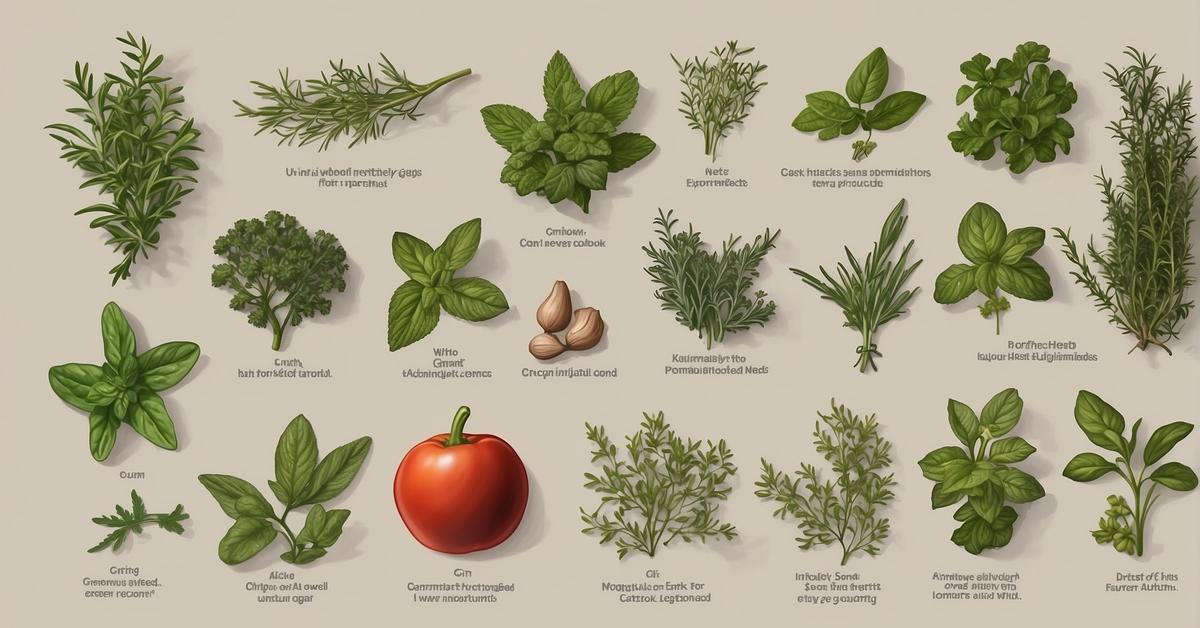
When you step into the world of spices, you’re entering a domain rich with aromatic treasures. Spices have shaped our palettes, traditions, and even history. Let’s unwrap the layers of this spicy sphere and discover how these tiny titans can make or break a dish.
Commonly Used Spices in Global Cuisines
Spices, those magical game-changers, could be the secret stars of your culinary creations. Think of cumin’s earthy warmth in Mexican dishes or turmeric’s golden hue in Indian curries. Each region boasts a signature spice that defines its cuisine. Here’s a snapshot of some globally beloved spices:
- Cumin: Essential in Mexican, Indian, and Middle Eastern cuisines.
- Turmeric: A staple in Indian cooking, known for its color and health benefits.
- Paprika: Gives a smoky flavor and vibrant color to Hungarian and Spanish dishes.
These key spices are like the bassline in a hit song—fundamental and unforgettable. Learning how they meld into each cuisine’s fabric can elevate your kitchen game.
Exotic and Rare Spices
Now, let’s venture into the realm of exotic spices. These are the elusive characters of the spice world, often shrouded in mystery and commanding a hefty price tag. They can transform the mundane into the sublime:
- Saffron: The most expensive spice, valued for its color and unique flavor.
- Tonka Beans: Known for their complex scent, reminiscent of vanilla, almonds, and cloves.
Exotic spices, while not essential, can add a dash of luxury to any dish.
The Spice Trade: A Historical Overview
The spice trade charts back to antiquity, weaving a tale of adventure, power, and wealth. It’s no hyperbole to say spices once held more value than gold. The trade routes crisscrossed continents and oceans, and nations rose and fell in pursuit of these fragrant commodities.
- Venice and Genoa: Became affluent cities thanks to their control over the spice trade.
- The Age of Discovery: Spurred by the quest for spices, leading to the discovery of new worlds.
Spices didn’t just add flavor; they ignited the flames of exploration and changed the course of history.
Now, as we close this chapter on the rich tapestry of spices, let us consider how we can harness their transformative power in our own culinary endeavors. Unlocking the potential of spices not only enlivens our dishes but also connects us to a heritage as old as civilization itself. As we move forward, we’ll delve into the art of using these aromatic wonders to their full potential, enhancing our meals and our appreciation for the diverse flavors they offer.
Enhancing Flavor: How to Use Spices Effectively
Spices are the soul of a dish, infusing meals with aromas and tastes that can transport you to different corners of the globe. From the warmth of cinnamon to the punch of paprika, each spice offers a unique essence. Here’s how to wield this magic in your kitchen effectively.
Balancing Flavors with Spices
- Mixing and matching: Achieving the perfect taste often involves a symphony of spices. It requires skill to know that cumin pairs well with chickpeas or that a pinch of turmeric can awaken a lentil soup. It’s a dance of sweet, savory, and spicy.
- Layering secrets: Begin with a light hand. Some spices bloom with heat, so add them early in cooking. Others are delicate; sprinkle them last to preserve their fragrance.
- Harmony in variety: Consider how spices interact. Mustard seeds might dominate if not balanced by milder companions like fenugreek.
Spice Pairings and Combinations
- Food and spice waltz: Whether it’s rosemary on lamb or cardamom in coffee, the right pairing can elevate a simple meal to a feast for the senses.
- Global mix-mastery: Embrace the world’s palate. Garam masala, herbes de Provence, and Chinese five-spice are just starters in a vast array.
- Blend your own: Start with basics like garlic powder, then get bold. Maybe a smoky, sweet mix for grilling?
The Art of Toasting and Grinding Spices
- Toasting how-to: Heat a dry pan, add spices, and watch closely. The moment they become aromatic, they’re done.
- Grinding wisdom: Freshly ground spices are leagues above pre-ground. A mortar and pestle or a grinder can unlock their full potential.
- Storage smarts: Keep spices in airtight containers, away from light. Freshness is flavor’s best friend.
Now that you’ve journeyed through the essentials of spice usage, it’s time to consider those moments when you reach for a jar and find it lacking. But worry not, for even the most well-stocked pantries can face this dilemma. There are clever swaps you can make to ensure your culinary creations remain vibrant and flavorful. Imagine a dash of lemon zest standing in for missing coriander – such improvisations can save a dish and ignite your creative spark in the kitchen.
- Tips for Substituting Spices:
- Out of cumin? Try caraway or chili powder for a different yet delightful twist.
- No nutmeg? A touch of mace or a sprinkle of ground cloves could be your savior.
- Missing cinnamon? Allspice or cardamom could offer an unexpected but pleasing change.
For an in-depth dive into the world of spice substitutions, check out these resources: Better Homes & Gardens, Real Simple’s Guide, or The Spice House’s suggestions for those times when you’re in a pinch. And for those embarking on their herb journey, consider exploring the Beginner’s Herb Gardening Tools, which can guide you in growing the freshest of spices right at home.
Remember, the essence of cooking lies in experimentation and adaptation. By mastering the use of spices and learning how to substitute them artfully, you’ll not just save your recipes but savor them in new and exciting ways.
Spice Substitutions: Creative Solutions When You’re in a Pinch

Ever been mid-recipe when you realize you’re fresh out of a crucial spice? Fear not, culinary adventurers! With a dash of ingenuity, you can swap in an alternative that might just save your dish. Here’s a treasure map to navigate the spice swap maze.
Common Spice Substitutes
- Thyme: A good substitute for thyme would be oregano. Its robust flavor profile can closely mimic the earthy and mild sweetness of thyme, making it a suitable alternative in many dishes.
- Cumin: In the absence of cumin, coriander can serve as an alternative. It possesses a citrusy, nutty flavor, although it’s a bit milder compared to cumin.
- Nutmeg: If you don’t have nutmeg, cinnamon can be used as a substitute. It’s sweeter and more fragrant, but in small quantities, it can replace the warm, nutty notes of nutmeg.
- Turmeric: Ginger is a great stand-in for turmeric. It adds a similar bright yellow color and subtle spiciness to dishes, although it doesn’t have the earthy undertones of turmeric.
- Paprika: Ancho chili powder is an excellent alternative to paprika. Like paprika, it has sweet and smoky flavors that can add depth to dishes. However, it’s milder in heat compared to paprika.
- Ginger: Caraway seeds can serve as a substitute for ginger. It has a slightly similar flavor profile, with hints of spiciness and sweetness that can be used in place of ginger in many dishes.
When substituting spices, it’s important to measure accurately to ensure the flavor of your dish remains balanced. Often, a 1:1 ratio will suffice; however, this may vary depending on the potency of the substitute spice. For instance, using the same amount of cumin as coriander might result in a milder flavor due to coriander’s subtler taste. Therefore, taste adjustments may be necessary.
Substituting spices also impacts the overall taste of the dish, as each spice brings a unique flavor profile. Some substitutes may add warmth, like cinnamon substituting nutmeg, while others add a zest, like ginger replacing turmeric. It’s crucial to tweak the dish according to your palate, considering these differences. When replacing paprika with ancho chili powder, for example, one might need to adjust the quantity due to the milder heat of ancho chili powder.
Finally, remember that spice substitution is as much of an art as it is a science, and trial and error is a part of the process. Don’t hesitate to experiment and adjust according to your personal taste preference.
Understanding Flavor Profiles for Substitutions
When you’re out of a certain spice, recreating its complex flavor profile can be achieved by blending similar spices together. For instance, if you’re missing cinnamon, you can blend allspice and nutmeg to emulate its sweet and spicy flavor. Similarly, to mimic the warm, earthy flavor of cumin, you can try combining coriander with a pinch of black pepper. To recreate the slightly sweet and citrusy notes of coriander, combine lemon zest and caraway seeds.
In the case of paprika, combining cayenne pepper with a hint of sugar can help reproduce its sweet, smoky flavor. If you’re missing turmeric, you could combine mustard powder with a touch of pepper and ginger to create a similar taste.
Always remember to use these blends sparingly at first, then adjust according to your palate. Each spice has a unique potency, and the ratios need to be tweaked according to personal preferences. It’s an experimentation process, so don’t be afraid to play around with these blends till you find the perfect balance.
Using Herbs and Other Seasonings as Alternatives
In addition to spices, various herbs and seasonings can also be used as substitutes in your culinary endeavors. For example, Marjoram can be used as an alternative to Thyme. Just like thyme, marjoram has a sweet, subtle flavor with a hint of citrus, and can bring about that earthy note in your dishes. However, marjoram is a bit milder than thyme, so you might want to use a bit more than the recipe calls for when substituting. Remember, the goal is to achieve a similar depth of flavor, so don’t hesitate to adjust quantities and taste as you go.
Sensory Evaluation of Spice Substitutes: Trusting Your Senses
An effective way to judge the compatibility of a spice substitute is through sensory evaluation. Trust your senses; if it smells compatible, it often is. Our olfactory system – the sense of smell – is closely linked to the gustatory system, our sense of taste. As such, the aroma of a spice can provide a significant hint to its flavor profile.
To conduct a sensory evaluation, take a moment to smell the spice you’re considering as a substitute. Does it have a similar aroma profile to the spice you’re missing? Does it evoke similar notes? If it does, then it’s likely to be a compatible substitute.
This sensory evaluation extends beyond just aroma. Consider the look, texture, and even the sound of the spice. Spices that sound dry and crackly like the original spice may have similar qualities upon cooking.
While it’s not an exact science, sensory evaluation is a valuable guide when determining spice substitutes, steering you towards potentially successful alternatives. However, remember that the final arbiter should always be your own personal taste preferences. Don’t be afraid to trust your senses and experiment to find the perfect blend.
Making Substitutions Without Sacrificing Quality
Maintaining the integrity of a dish while making substitutions can seem like a daunting task, but with a few smart strategies, it’s entirely achievable. One of the key techniques is to start with less and add to taste. When using a new ingredient as a substitute, don’t just swap it in equal amounts with the original ingredient. This is because the taste, texture, and potency can greatly differ.
Start by adding a smaller quantity, taste, and then proceed to add more if necessary. This method ensures that the flavor balance in your dish remains intact, and it also provides you the opportunity to explore and understand the nuances of the substitute ingredient. Always remember, you can add more, but it’s tough to take away once it’s added.
Very Successful Substitutions
In the culinary world, successful substitutions have often led to innovative twists on traditional recipes. A prominent example is the birth of Minty Pesto, which emerged due to a basil shortage. The classic Pesto Genovese, a staple of Italian cuisine, traditionally uses fresh basil leaves. However, when a particular shortage of basil hit the markets, chefs were forced to think on their feet.
The result was a fresh, vibrant variant of pesto, using mint leaves instead of the customary basil. The mint leaves offered an unexpected, refreshing twist, adding a unique layer of flavor while maintaining the integrity of the original recipe. This minty pesto revolution not only salvaged the pesto dishes during the basil shortage but also broadened the culinary horizons by introducing a delightful alternative to a beloved classic. Now, the Minty Pesto is a celebrated dish in its own right, exemplifying the beauty of successful ingredient substitution.
Substitutions and Allergy Concerns
Addressing allergen concerns is another crucial aspect of ingredient substitution. Many people have allergies or sensitivities to certain spices, which can make dining a frustrating experience. However, thanks to the diversity of the culinary world, we can find flavorful alternatives that keep the dish enjoyable and safe for everyone.
For instance, garlic and onions are common triggers for people with IBS and other digestive issues. Asafoetida, a spice used extensively in Indian cuisine, can provide a similar savory, umami depth to dishes. Just a pinch can effectively substitute the flavor of both onion and garlic, and it’s less likely to cause digestive discomfort.
Similarly, those allergic to chilli peppers can turn to spices like cumin, paprika, or black pepper to add a spice kick to their meals. These alternatives don’t mimic the heat of chilli peppers but can compensate by adding a different layer of complexity to the flavor profile of a dish.
However, it’s important to note that every individual’s tolerance and reaction to spices can significantly vary. Therefore, always consult with a healthcare professional when dealing with allergies and dietary restrictions. Remember, the goal is to ensure that everyone can enjoy the meal without compromising their health or comfort.
Health Aspects of Spices: Beyond Taste
Spices do more than just add flavor; they’re powerhouses of wellness, packed with health benefits. I’ll guide you through the medicinal perks of spices and how they can fit into a nutritious diet.
Spices with Medicinal Properties
Turmeric, known for its anti-inflammatory properties, is just one example. Research has shown that turmeric can ease joint pain in arthritis sufferers. Yet, it’s wise to consult a healthcare provider before using spices as a cure-all.
Spices in Diet and Nutrition
Spices are low in calories but big on flavor. They can enhance a diet without adding excess calories. Spices like cinnamon may help regulate blood sugar, which is a boon for those keeping an eye on their metabolic health.
Potential Risks and Side Effects
While spices can offer health benefits, it’s essential to use them wisely. Some, like nutmeg, can be harmful in large quantities. Always adhere to recommended amounts and be aware of possible allergens.
Now, let’s savor the flavor of spices and learn how to save your dishes with savvy substitutions.
Spice Uses and Substitutions: Savor and Save Your Recipes
When a recipe calls for a specific spice, and you find your pantry lacking, worry not. Substitutions can save your dish and often, you might discover a new flavor you adore. For instance, if you’re out of cumin, try a pinch of chili powder. It won’t be the same, but it’ll provide a warm, complex undertone to your dish.
Keep in mind, these are just a few examples. There’s a whole world of spice substitutions out there. Check out more spice substitutes here.
Now, I once faced a dilemma. My guests were arriving in an hour, and I was prepping my famous chili, only to realize I was out of cumin. Instead of panicking, I reached for some ground coriander from my rack. The result? My friends raved about the unique twist in flavor. It was a gentle reminder that sometimes, necessity leads to invention in the kitchen.
Spicing up your meals can turn a bland dish into a symphony of flavors. Yet, it’s not just about taste. Spices can contribute to your health in subtle, yet significant ways. Remember to use them judiciously and enjoy the zest they bring to every bite.
As we wrap up, consider how these aromatic wonders can transform not only your dishes but also your well-being. And keep an eye out for innovative ways to infuse spices into your culinary creations, enhancing their health benefits and flavor profiles.
Exploring Innovative Uses of Spices
Spices do more than add zest to your dishes; they’re versatile powerhouses with uses that stretch far beyond the kitchen. Let’s delve into some unexpected and creative ways to harness the essence of spices.
Spices in Non-Culinary Applications
Beauty and Personal Care:
Turmeric, renowned for its anti-inflammatory properties, can be your skin’s best friend. Craft a simple face mask by blending it with honey. Cinnamon, too, might find its way into your beauty routine as a natural plumping agent for luscious lips.
Medicinal Marvels:
For centuries, ginger has been the go-to remedy for settling an unruly stomach. Studies show that around 33% of traditional medicine includes some form of spice. Cloves, packed with antioxidants, can offer relief for a toothache or serve as a natural anesthetic.
Artistic Aromas:
Enter the realm of natural dyes, where a sprinkle of paprika can dye fabric a sunset hue. Or imagine a homemade candle perfumed with the sweet scent of nutmeg. The possibilities are endless and environmentally friendly.
DIY Projects with Spices
Infusions Galore:
Why not create a bespoke spice-infused oil? It’s simple. Pick an oil, add your chosen spices, and let time work its magic. These concoctions can transform a bland dish into a gourmet experience.
Scent-sational Creations:
A sachet of lavender tucked into your drawer not only wards off moths but imbues your clothing with a calming fragrance. Potpourri, a mix of dried petals and spices, can freshen up any room in your home.
Clean and Green:
Mix baking soda with a spice like cinnamon or clove to make a natural cleaning powder. It’s effective, non-toxic, and leaves behind a pleasantly spiced aroma.
Educational and Interactive Spice Activities
Taste-Testing Tales:
A spice-tasting event can be both fun and enlightening. Participants learn to discern the nuanced flavors and may discover a new favorite.
Grow, Harvest, Learn:
Consider workshops that teach the art of growing and harvesting spices. It’s hands-on learning that culminates in the joy of using your very own spices.
Spice Scholars:
For those who crave knowledge, there are plenty of resources that delve into the history and science of spices. It’s a chance to become a true spice scholar.
As we wrap up our spicy saga, we invite you to carry this zestful spirit into your daily life. Whether it’s through crafting a homemade remedy or spicing up your next meal, let the vibrancy of spices invigorate your world. And remember, you’re just a pinch away from transforming the ordinary into something extraordinary.
Conclusion: Embracing the Spice of Life
Here at Green Herb Guru, we’re all about savoring the zest herbs add to life. Our passion? It’s simple: we want you to revel in the myriad ways to jazz up your dishes and DIY creations. Got a garden brimming with basil but your recipe screams for cilantro? No sweat! Sub in that basil and watch a new flavor profile emerge. Our guides are brimming with know-how on spice uses and alternatives, equipping you with the savvy to tweak recipes with confidence. So, go ahead, get creative with those herbs—your taste buds will thank you.
Key Takeaway:
Herbs hold power to transform the mundane into the extraordinary. Remember, a well-stocked spice pantry is your best ally in the culinary arts. Our site, brimming with info, aims to bolster your herb wisdom. We beckon you to share your own herbal adventures and concoctions with us. Next time you’re in the kitchen or out in the garden, consider the endless possibilities. Oh, and don’t forget to sign up for our newsletter. That way, you won’t miss a beat on the freshest herb insights and inspirations we serve up regularly.
Frequently Asked Questions about Spice uses and substitutions
What can I use if I don’t have paprika?
If you don’t have paprika, a good substitute is a mix of cayenne pepper and bell pepper powder, adjusting the quantities to achieve the desired heat level. Another option is chili powder, though it has added ingredients like garlic powder and cumin.
How can I replace fresh herbs with dried ones?
Typically, dried herbs are more potent than fresh. A common ratio is 1 tablespoon of fresh herbs to 1 teaspoon of dried. However, because dried herbs lose potency over time, you might need to adjust based on the age of your dried herbs.
Is there an alternative to saffron?
Saffron is unique, but turmeric can be a substitute for color, though not for flavor. For a closer taste profile, a small amount of sweet paprika mixed with turmeric could be a better option, but use sparingly as the flavors are more intense.
What can I use instead of cumin?
A good substitute for cumin is ground coriander. They are from the same plant family and have a similar earthy flavor, though coriander is more citrusy. In a pinch, you could use caraway seeds or a mix of caraway and oregano.
How do I substitute fresh garlic with garlic powder?
The garlic powder is more concentrated, so the rule of thumb is 1/8 teaspoon of garlic powder for every clove of fresh garlic. You may need to adjust to taste, as potency varies by brand and age.
Can I use chili powder instead of cayenne pepper?
Yes, but be aware that chili powder is typically a blend of spices, including cayenne pepper, so it’s milder. You may need to use a larger quantity to achieve the same heat level and expect a slightly different flavor profile.
What’s a good replacement for cardamom?
A mixture of cinnamon and cloves can be used as a substitute for cardamom. Start with a ratio of half cinnamon to half cloves and adjust according to your taste preference.
Is there a substitute for nutmeg?
Mace is the closest in flavor to nutmeg and can be used in a 1:1 ratio. If you don’t have mace, you can use ground cinnamon or cloves, but start with half the amount and adjust to taste.
Can I use lemon juice instead of sumac?
Lemon juice can provide the tartness that sumac is known for, but it will add moisture to your dish. You may need to reduce other liquids to compensate. Start with a few drops of lemon juice and adjust to taste.
What can replace star anise in a recipe?
For a similar licorice flavor, you can use an equal amount of Chinese five-spice powder, which contains star anise. Alternatively, you can use anise seeds, but they are more potent, so use about half the amount of star anise called for in the recipe.


