Mint Teas 101: Simple Blends for Digestion, Focus and Fresh Breath
There’s a reason mint tea has been a kitchen staple for centuries. Whether you’re sipping it after a heavy dinner, reaching for something warm on a stressful evening, or just craving that clean, cooling freshness mid-afternoon, peppermint and spearmint are two of the most hardworking herbs in your cupboard. And the best part? They couldn’t be simpler to use.
This guide walks you through everything you need to know about brewing mint teas at home — from a basic straight mint infusion to a calming lemon balm blend — along with when to drink them and a few honest safety notes to keep in mind.
As an Amazon Associate I earn from qualifying purchases and sometimes recommend products from other sellers at no extra cost to you. For more details see my disclosure policy and privacy policy.
Why Mint Has Earned Its Place in the Teapot
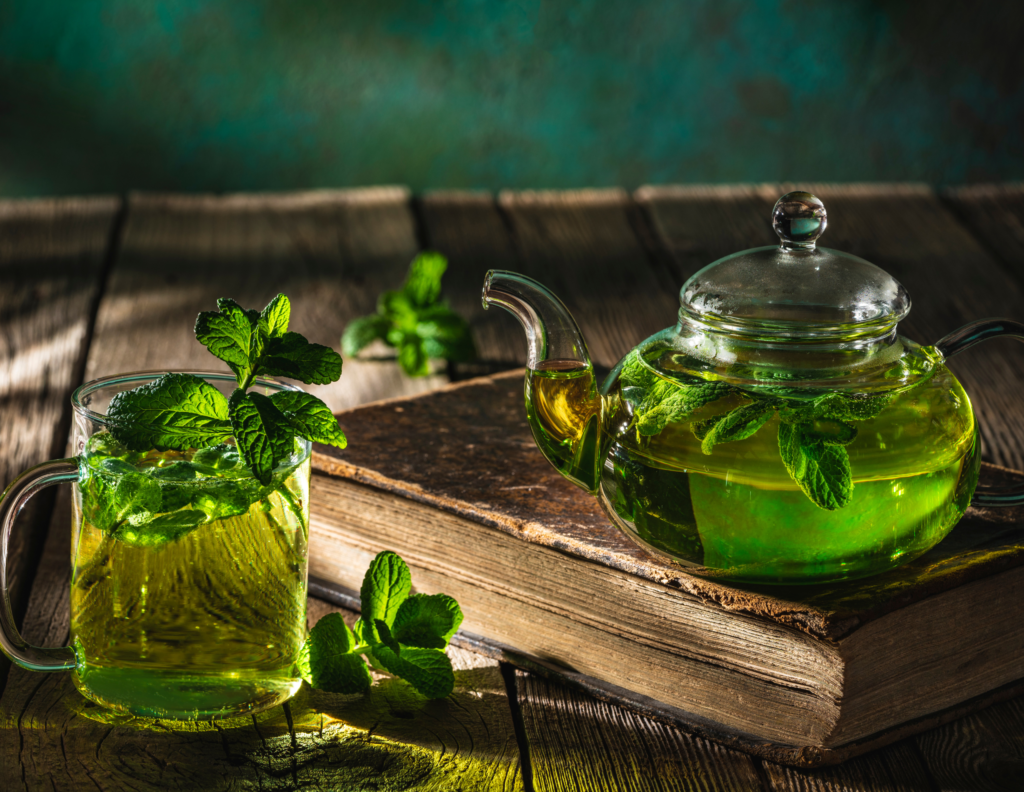
Peppermint and spearmint both belong to the mint family, a group of herbs long celebrated for their digestive and aromatic qualities. They’re caffeine-free, easy to grow, and genuinely pleasant to drink — which puts them in a category of their own compared to some of the more medicinal herbal teas out there.
Forged & Grown — The Shop
Handpicked products chosen to fit the way we cook, grow, and create. Nothing generic — every item earns its place.
Visit the Shop


Peppermint is the stronger of the two. Its menthol-rich oils are what give it that distinctive cooling sensation, and those same oils help relax smooth muscle in the gut, which can ease cramping, gas, and that uncomfortable bloated feeling after a big meal. Spearmint is gentler and slightly sweeter, with lower menthol levels — making it a good choice for people who find straight peppermint a little intense.
Beyond digestion, spearmint has attracted attention for a different reason entirely. Research using spearmint extract has found that its phenolic compounds — including rosmarinic acid — can support working memory, attention, and concentration. It’s an interesting option if you’re after a caffeine-free focus boost during a long afternoon of work.
And then there’s the breath-freshening angle, which needs little explanation. Mint’s aromatic oils work in the mouth in much the same way they do in the stomach: cooling, neutralising, and refreshing.
How to Brew a Basic Mint Tea
Before we get into blends, it’s worth nailing the simple cup. Mint tea is forgiving, but a few small details make a real difference to the final flavour.
What you need:
- 1–2 teaspoons of dried peppermint or spearmint (or a mix of both), or a small handful of fresh leaves
- 250ml of just-boiled water — not a full rolling boil, which can make the tea bitter
- A cup or mug with a small plate or lid to cover it while it steeps
Cover the mug and steep for 5–10 minutes. A shorter steep gives you something light and fresh; a longer steep produces a stronger, more medicinal cup. Strain and drink as it is, or with a little honey if you prefer.
When to Drink It
Straight mint tea works well in a few different situations:
- After a heavy or rich meal — the oils help ease fullness, gas, and bloating
- In the evening as a caffeine-free wind-down drink that’s kind on the stomach
- Between tasks or study sessions — especially spearmint, for that clear-headed, fresh-breath reset without reaching for another coffee
If you’re growing your own mint at home, fresh leaves make a lovely tea that’s slightly softer in flavour than dried. You’ll find growing guidance in the mint family post, and if you’re using mint as part of a broader herb patch, the herb garden planning guide is a good place to start thinking about what to grow alongside it.
Mint and Ginger Tea for Digestion and Nausea
This is probably the most useful blend in the mint tea repertoire. Ginger has a well-established reputation for easing nausea and supporting digestion, and when you pair it with mint’s gut-soothing, cooling properties, you get a blend that’s genuinely effective and easy to make from scratch.
To make one mug:
- 1 cup of water
- 1–2cm of fresh ginger root, peeled and sliced into thin rounds
- 1 teaspoon of dried mint, or a mint teabag
Simmer the ginger slices in the water for around 5 minutes — this is enough to draw out the warming compounds without making it harsh. Remove from the heat, add the mint, cover the pan, and steep for another 5–10 minutes. Strain into a mug and sweeten with a little honey if you like. Fresh mint leaves also work well here if you have them to hand.
When This Blend Comes Into Its Own
- After heavy or greasy meals, when there’s queasiness sitting alongside the bloating
- On travel days or during hormonal shifts, when mild nausea tends to crop up unexpectedly
- When your stomach feels sluggish rather than crampy — ginger’s warming action works particularly well here
Ginger also features in the Creamy Ginger Carrot Soup on the site if you want to explore it in food form — another gentle, stomach-friendly option on days when you’re under the weather.
Mint and Lemon Balm Tea for Evening Calm
If the mint-ginger blend is the one you reach for in the middle of the day, mint and lemon balm is the one for evenings. Lemon balm is a calming herb with a gentle lemony scent that pairs naturally with mint — the two come from the same family and have a long history of being used together.
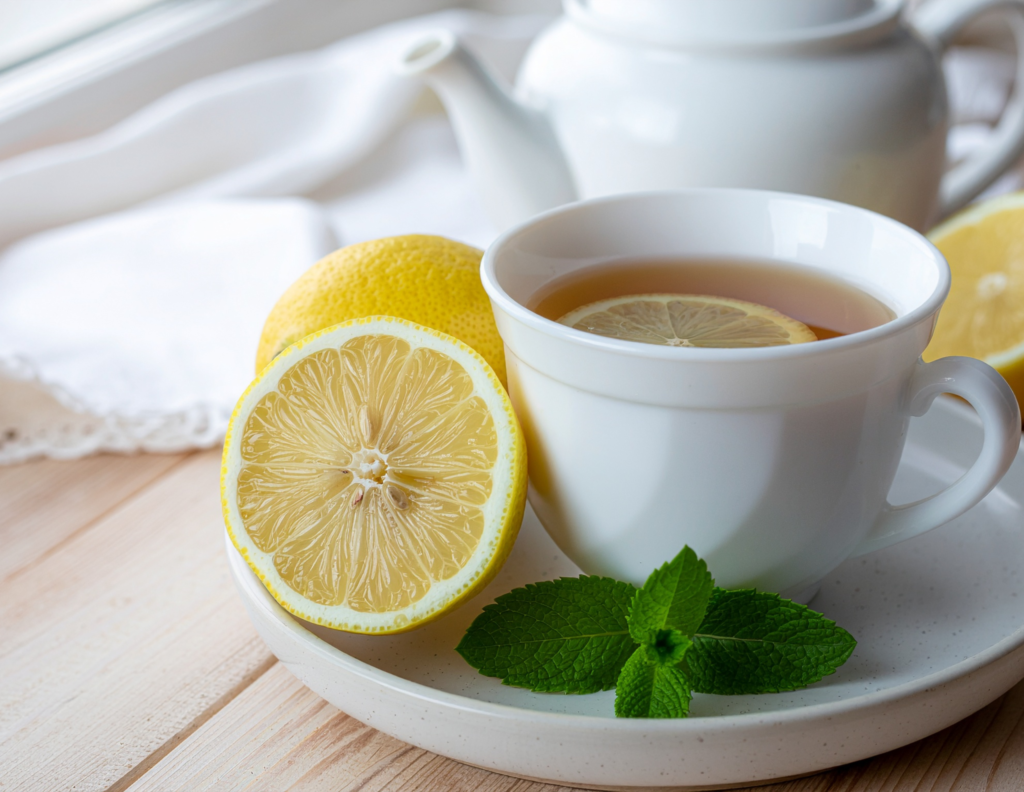
Where mint tends to ease the physical side of digestive discomfort, lemon balm adds a nervous-system dimension: it’s traditionally used to soothe anxiety, settle the gut, and promote a sense of calm without sedation. Together, they make a tea that helps you properly decompress after a busy day.
You can read more about lemon balm on its own in the grow lemon balm guide and the mint and lemon balm for calm evenings post, which covers the wellness benefits in more detail.
To make one mug (hot or iced):
- 1 teaspoon of dried lemon balm
- 1 teaspoon of dried mint (or a small fresh handful of each)
- 250ml of just-boiled water
Cover and steep for 5–10 minutes, then strain. Serve warm in the evening, or allow it to cool and chill for a gentle, calming iced tea on warmer days.
When to Reach for This Blend
- After dinner, to combine light digestive support with that sense of unwinding
- On stressful or anxious days, as a caffeine-free ritual that feels nourishing rather than medicinal
- Before bed, when you want something warming but don’t want anything that might keep you awake
A Quick Note on Using Mint Alongside Other Herbal Teas
If you’re beginning to explore herbal teas for the immune system or you’ve been reading about warming winter herb teas, mint blends easily with many other herbs you might already have. It adds brightness and freshness to heavier, earthier teas — think thyme, elderflower, or chamomile — and can help balance blends that might otherwise be too intense on their own.
If you’re curious about creating your own combinations, the how to make herbal tea blends for beginners guide is a good next step. It covers ratios, steeping times, and how to think about combining herbs with complementary properties — which is exactly the kind of thinking behind the blends in this post.
Safety Notes: What You Should Know Before You Start
Mint tea is one of the gentler herbal options out there, but it’s worth knowing a few things before you start drinking it daily or offering it to others.
General use: Peppermint tea from dried or fresh leaves is considered safe for most adults when used in moderate amounts — typically 1–2 cups a day. Very large quantities can cause digestive discomfort in some people, so there’s no need to overdo it.
Reflux and GERD: This is an important one. Peppermint relaxes the lower oesophageal sphincter, which is the muscle that keeps stomach acid where it belongs. In people prone to acid reflux or heartburn, strong peppermint tea can actually make symptoms worse rather than better. If this sounds familiar, try spearmint instead, which has a milder effect, or stick to very weak infusions.
During pregnancy: Current guidance suggests that peppermint tea is generally safe in moderation during pregnancy — around 1–2 cups daily is the commonly cited level. That said, it’s best to avoid very concentrated preparations and to check the ingredient list on any pre-made tea blends, as some contain herbs that aren’t recommended in pregnancy. If you have any concerns, your midwife is the right person to ask.
While breastfeeding: Peppermint in normal dietary amounts is usually considered compatible with breastfeeding, though there is some suggestion that very large amounts could affect milk supply. If you’re drinking several cups a day, it’s worth checking with your healthcare provider.
For children: Caffeine-free herbs like mint and lemon balm are often considered among the gentler options for older children, but this is an area where it’s worth being cautious. Research on herbal teas in young children is limited, and there is debate about whether strong herbal infusions are appropriate for toddlers at all. As a practical rule, avoid giving medicinal-strength mint teas to small children — particularly those with underlying health conditions or who are on any medication — without professional advice first.
If you’re interested in exploring herb-based wellness more broadly and want a grounded starting point, the beginner’s apothecary guide and the beginner’s guide to everyday medicinal herbs are both good reads. They cover a wider range of herbs alongside the same safety-first approach that applies here.
Getting Started
Mint tea is one of those things that’s easy to complicate but doesn’t need to be. A handful of dried leaves, a mug, and a few minutes of steeping is genuinely all it takes. Start with straight peppermint or spearmint, see how you get on, and then try the ginger blend the next time your stomach needs a little support after dinner.
If you grow your own mint — or you’re thinking about starting — it’s one of the most rewarding herbs to have on a windowsill or in a pot on the doorstep. It comes back year after year, grows quickly, and gives you a near-constant supply of fresh leaves for teas, drinks, and cooking.
Continue Your Journey:
- The Mint Family: Calm, Digestion and Everyday Wellness from Your Herb Pots — a deeper look at the mint family and what each variety brings to the table
- Mint and Lemon Balm for Calm Evenings and Happy Digestion — more on this classic pairing and the research behind it
- How to Grow and Use Lemon Balm: From Garden to Teacup — everything you need to know about growing and using this calming herb
- How to Make Herbal Tea Blends for Beginners — ready to start creating your own blends? Start here
- Herb-Infused Drinks & Mocktails: Your Guide to Healthy Hydration — more ideas for using herbs in drinks beyond the teapot
Do you prefer peppermint or spearmint — or do you mix the two? Share your favourite combination in the comments below.
Want more herb growing and wellness tips straight to your inbox? Sign up for the Green Herb Guru newsletter and we’ll keep you posted on what’s new.


